

Beyond the Bin: Vegan Kitchens in 2026
Veganism and zero-waste living are merging out of necessity. A plant-based diet isn't automatically sustainable; conventional agriculture and food packaging create environmental problems. A conscious vegan lifestyle means addressing this impact on the planet.
A zero-waste vegan kitchen is about intentionality, valuing resources, and reducing waste. It means rethinking how we shop, cook, and dispose of food and kitchen items. While it might seem daunting, it's achievable and leads to a more fulfilling life. The effort pays off for the planet and your peace of mind.
Websites like The Wannabe Eco Vegan and Vicious Vegan offer insights and inspiration. They show that a vegan lifestyle can align with environmental responsibility. These sites, plus online communities, provide practical tips, recipes, and support for reducing your footprint.
By 2026, zero-waste vegan living will likely be more mainstream. Demand for sustainable products and awareness of food waste issues are growing. This shift in values is here to stay, extending compassion to all living beings and the planet.
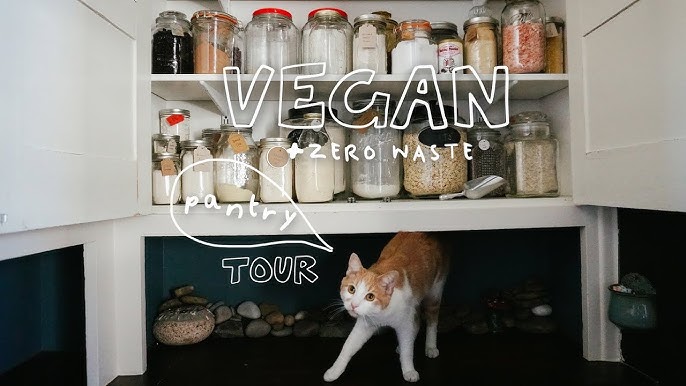
Pantry Rehab: Swapping Single-Use Out
Start your zero-waste journey in the pantry. Identify regularly purchased items in single-use packaging, such as plastic wrap, baggies, and pre-packaged spices. While convenient, these contribute to landfill waste. Sustainable alternatives are readily available.
Bulk buying is a game-changer. Buy larger quantities from bulk bins or refill stations instead of small, individually packaged items. Glass jars are durable, reusable, and food-safe. Reusable silicone bags work for snacks and leftovers, and beeswax wraps replace plastic wrap. Making your own spice blends avoids small jars from pre-mixed spices.
Find zero-waste alternatives at local health food stores and co-ops. Online retailers like Package Free Shop and Zero Waste Store offer selections, but consider shipping's carbon footprint. DIY projects, like making cleaning products, nut milks, and snacks, reduce reliance on packaged goods. Initial costs for swaps may be higher, but they often save money over time.
Repurpose existing containers. Old jam jars can store grains and legumes. Plastic containers can hold non-food items like art supplies or hardware. Before discarding, consider if an item can be repurposed. Keeping a dedicated 'repurpose' box in the kitchen helps.
- Glass Jars: For bulk storage and leftovers.
- Reusable Silicone Bags: A durable alternative to plastic baggies.
- Beeswax Wraps: Natural and compostable food wrap.
- Stainless Steel Containers: Great for lunchboxes and longer-term storage.
- Cloth Produce Bags: For carrying fruits and vegetables.
Fresh Produce: Ditching the Plastic
Produce often contributes significantly to kitchen plastic waste, from pre-packaged salads to wrapped cucumbers. Reduce plastic use for fruits and vegetables by prioritizing farmers markets and Community Supported Agriculture (CSA) boxes.
Bring reusable produce bags (cotton, hemp, or mesh) to farmers markets. Hemp is durable and sustainable, while mesh bags allow visibility of contents. Politely decline plastic packaging; most vendors will accommodate.
Growing your own food, even on a small scale, reduces reliance on store-bought produce. A windowsill herb garden or balcony tomato plants are effective strategies. Harvesting your own food is rewarding. Larger gardens are also an option if space allows.
Produce stickers present a challenge, as many are not compostable. Consider writing directly on produce with a food-safe marker or peeling off stickers to compost separately. Minimizing waste is the goal.
Bulk Bins & Refilleries: A Deep Dive
Bulk bins and refilleries offer packaging-free shopping using your own containers, reducing waste and often saving money. Finding them may require some effort, but online directories like Zero Waste Finder can help locate refilleries.
When using bulk bins, weigh your empty containers first and record the weight. Fill your containers with product, then have them weighed, subtracting the tare weight for the price. Use separate scoops for each product and be mindful of spills to avoid cross-contamination.
Many vegan staples are available in bulk: grains (rice, quinoa, oats), legumes (beans, lentils, chickpeas), nuts and seeds (almonds, walnuts, sunflower seeds), flours (all-purpose, almond, coconut), oils (olive, coconut), vinegars (apple cider, balsamic), and cleaning products (laundry detergent, dish soap). Selection varies by store.
Bulk items aren't always cheaper per pound, but you avoid packaging costs and can buy only what you need, reducing food waste. Proper storage is essential for quality. Store grains, legumes, and flours in airtight containers in a cool, dark, dry place. Keep oils in airtight containers away from light and heat.
- Weigh your containers before filling them.
- Use separate scoops for each product.
- Record the weight of your filled containers.
- Store bulk purchases in airtight containers.
Bulk Bin Shopping – Pros & Cons
| Item | Advantages (Zero Waste, Cost, Quality) | Disadvantages (Availability, Hygiene, Storage) |
|---|---|---|
| Grains | Excellent for zero waste; often lower cost per unit; freshness can be good with high turnover. | Availability varies greatly by store; potential for dust and pests; requires airtight storage. |
| Legumes | Significant waste reduction; generally cost-effective; quality comparable to packaged. | May require more thorough rinsing; potential for cross-contamination; longer soak times sometimes needed. |
| Nuts/Seeds | Reduces packaging waste substantially; allows purchase of exact quantities; freshness is a benefit. | Can be expensive; oil content can lead to rancidity if not stored properly; limited selection in some stores. |
| Flour | Minimizes packaging; often a good value; allows for smaller batch purchases. | Susceptible to moisture and pests; potential for contamination; requires very airtight storage. |
| Oils | Eliminates plastic bottles; potential cost savings with larger quantities. | Limited availability in bulk; requires dedicated, clean containers; potential for spills and mess. |
| Vinegar | Reduces plastic waste; often competitively priced. | Availability is inconsistent; requires careful transfer to prevent spills; glass container preferred. |
| Cleaning Products | Significant reduction in plastic use; often concentrated formulas offer value. | Selection is limited; requires careful labeling and dilution; potential for spills and reactions. |
Qualitative comparison based on the article research brief. Confirm current product details in the official docs before making implementation choices.
Composting: Closing the Loop
Composting is essential for a zero-waste kitchen, transforming food scraps and organic matter into nutrient-rich soil. For vegans, it's important for managing fruit and vegetable waste. Knowing what can and cannot be composted is key.
Compost fruit and vegetable scraps, coffee grounds, tea bags (remove staples), eggshells (if used), and shredded paper. Avoid meat, dairy, oily foods, and diseased plants. Coffee grounds provide nitrogen, and fruit/vegetable scraps form the bulk of vegan compost.
Composting methods vary by space and lifestyle. Backyard composting requires a bin and turning. Vermicomposting (worm composting) suits smaller spaces. Bokashi ferments food waste, and countertop bins are for
Composting isn’t just about reducing waste; it’s about creating a valuable resource. The compost you generate can be used to enrich your garden soil, reducing your need for chemical fertilizers. It’s a closed-loop system that benefits both your kitchen and the environment. You can even use your compost to nourish indoor plants.
Kitchen Tools: Sustainable Swaps
The tools in your kitchen can also contribute to waste. Many common kitchen tools are made from plastic or other unsustainable materials. Fortunately, there are plenty of eco-friendly alternatives available. Switching to sustainable kitchen tools is a simple way to reduce your footprint.
Consider swapping your plastic cutting boards for bamboo cutting boards, which are renewable and naturally antibacterial. Replace plastic utensils with wooden utensils, which are durable and biodegradable. Invest in stainless steel cookware, which is long-lasting and doesn’t leach chemicals into your food. Cast iron skillets are another excellent option – they’re incredibly durable and can last a lifetime. Silicone baking mats are a reusable alternative to parchment paper.
When it comes to replacing broken items, prioritize repair over replacement whenever possible. A little bit of maintenance can extend the life of your tools. When you do need to replace something, choose durable, long-lasting products made from sustainable materials. Avoid cheap, disposable items that will quickly end up in the landfill.
Don’t forget about cleaning products. Many conventional cleaning products contain harsh chemicals that are harmful to the environment. Make your own cleaning products using simple ingredients like vinegar, baking soda, and lemon juice. Or, choose eco-friendly brands that use plant-based ingredients and sustainable packaging.
- Bamboo Cutting Boards: Renewable and antibacterial.
- Wooden Utensils: Durable and biodegradable.
- Stainless Steel Cookware: Long-lasting and non-toxic.
- Silicone Baking Mats: Reusable alternative to parchment paper.
- Reusable Dishcloths: Replace paper towels.
Sustainable Kitchen Essentials
- Reusable Produce Bags - Ditch the plastic! Invest in a set of mesh or organic cotton produce bags for fruits and vegetables. These are washable and can be used repeatedly, reducing single-use plastic consumption.
- Beeswax Wraps - A natural alternative to plastic wrap. Beeswax wraps, often made with organic cotton, beeswax, tree resin, and jojoba oil, are reusable and biodegradable. They're perfect for covering bowls, wrapping sandwiches, and keeping food fresh.
- Bamboo Cutting Boards - A sustainable and durable alternative to plastic or wood cutting boards. Bamboo is a fast-growing grass, making it a renewable resource. Look for boards certified by the Forest Stewardship Council (FSC).
- Stainless Steel Food Storage Containers - Replace plastic containers with durable, reusable stainless steel options. These are non-toxic, easy to clean, and won’t leach chemicals into your food. Brands like Life Without Plastic offer various sizes.
- Compost Bin - Essential for a zero-waste kitchen. A compost bin allows you to turn food scraps and yard waste into nutrient-rich soil for your garden. Options range from countertop bins to larger outdoor composters. Bokashi composting is also a great option for all food waste.
- Silicone Baking Mats - Replace parchment paper with reusable silicone baking mats. These are non-stick, heat-resistant, and easy to clean, reducing paper waste. Brands like Silpat are well-regarded.
- Cast Iron Cookware - A long-lasting and versatile cooking option. Cast iron requires minimal maintenance and can be used on various cooktops. It’s a durable alternative to non-stick pans that can contain harmful chemicals.
Zero-Waste Vegan Recipes: Minimizing Scraps
Zero-waste cooking is about being creative and resourceful. It’s about finding ways to use every part of the ingredient, minimizing food waste, and maximizing flavor. It’s a fun challenge that can lead to some surprisingly delicious meals. It’s not about deprivation; it’s about making the most of what you have.
Vegetable Scrap Broth: Save your vegetable peels, stems, and ends (onion skins, carrot tops, celery ends) in a freezer bag. Once you have a sufficient amount, simmer them in water to create a flavorful vegetable broth. This broth can be used in soups, stews, and sauces. This simple step drastically reduces waste and adds incredible depth of flavor.
Leftover Grain Fritters: Don’t let leftover cooked grains go to waste. Combine them with chopped vegetables, herbs, and spices, and form into patties. Fry or bake the patties until golden brown and crispy. Serve with a dipping sauce for a satisfying and sustainable meal.
Overripe Fruit Smoothies: Overripe fruit is perfect for smoothies. Blend it with plant-based milk, greens, and a touch of sweetener for a healthy and delicious breakfast or snack. You can also use overripe fruit to make baked goods like muffins or banana bread. The sweetness of the overripe fruit adds moisture and flavor.
Staying Motivated: Community & Resources
Zero-waste living can be challenging, and it’s easy to get discouraged. That's why finding support and inspiration is so important. There’s a growing community of people who are passionate about zero-waste living and are happy to share their knowledge and experiences. Online communities, zero-waste blogs, podcasts, and books can all provide valuable resources and encouragement.
Join online forums and social media groups dedicated to zero-waste living and veganism. These platforms offer a space to ask questions, share tips, and connect with like-minded individuals. Explore blogs like Zero Waste Chef and The Wannabe Eco Vegan for practical advice and recipes. Listen to podcasts like The Zero Waste Podcast for interviews with experts and inspiring stories.
Remember that progress is more important than perfection. It’s okay to start small and make changes gradually. Don’t try to overhaul your entire life overnight. Focus on one area at a time, and celebrate your successes along the way. Every small step you take towards a zero-waste lifestyle makes a difference.
Here are a few relevant tweets from the vegan/zero-waste community: (Note: Because However, searching hashtags like #zerowastevegan, #veganzerowaste, and #sustainablevegan on Twitter will yield plenty of examples).

No comments yet. Be the first to share your thoughts!