
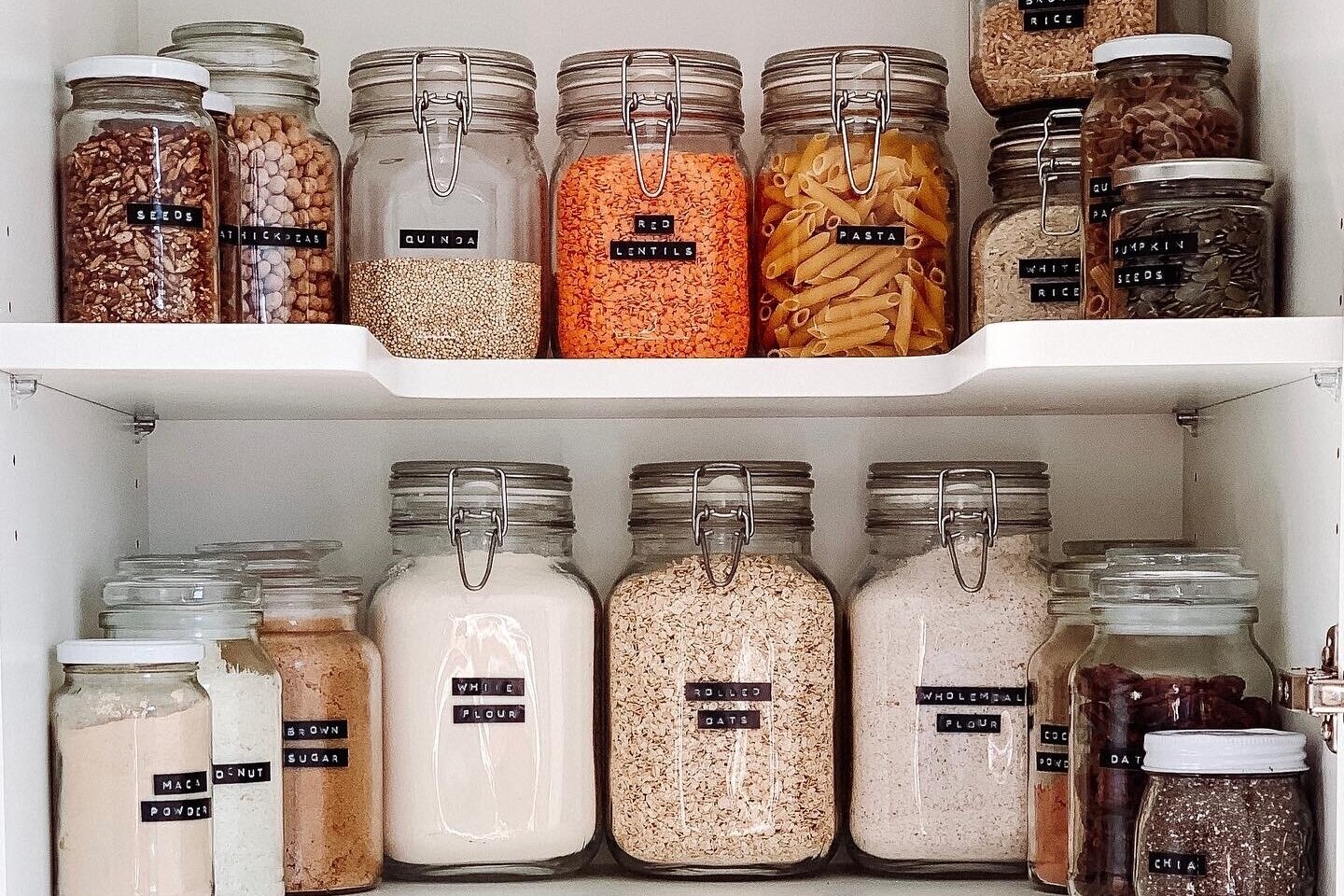

How we tested these vegan products
We don't trust labels alone. To determine which vegan pantry staples actually belong in your kitchen, we ran a series of blind taste tests focusing on three non-negotiable criteria: taste, texture, and ingredient quality. If a plant-based product tastes like cardboard or relies on heavy processing to mimic meat, it doesn't make the list, regardless of how clean the ingredient deck looks.
Our testing process starts with the ingredient deck. We prioritize products built on recognizable whole foods—legumes, mushrooms, oats—over long lists of isolates and stabilizers. We then evaluate texture, checking for the right mouthfeel and structural integrity. A vegan cheese that melts into oil or a plant-based burger that falls apart on the plate fails the test, no matter how savory it tastes.
Finally, we assess flavor balance. We look for products that stand on their own merit, not just those that mask vegetable flavors with excessive salt or smoke. We compare each item against its best-in-class competitors to ensure our recommendations offer genuine value and culinary satisfaction.
What we look for in every review
When evaluating the best vegan product reviews for your pantry, we use a simple checklist to ensure consistency across every category, from dairy alternatives to meat substitutes.
- Taste Test: Does it taste like the animal product it mimics, or does it have its own appealing flavor profile?
- Texture Check: Is the mouthfeel realistic? Does it chew, melt, or crisp as expected?
- Ingredient Quality: Are the ingredients recognizable and minimally processed?
- Pantry Performance: Does it store well and maintain quality after opening?
-
Taste Test: Does it taste like the animal product it mimics?
-
Texture Check: Is the mouthfeel realistic?
-
Ingredient Quality: Are the ingredients recognizable?
-
Pantry Performance: Does it store well?
Best vegan cheeses and spreads
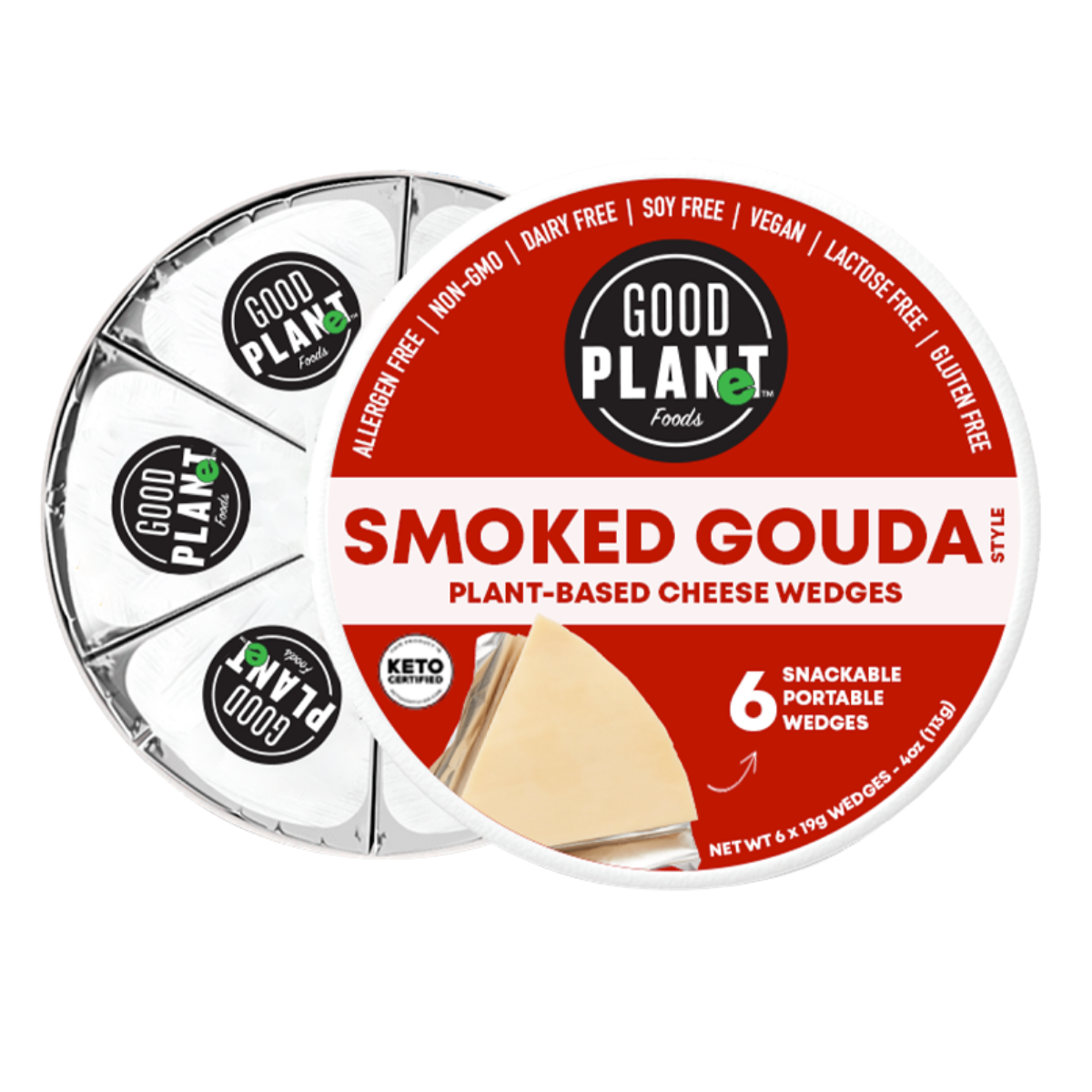
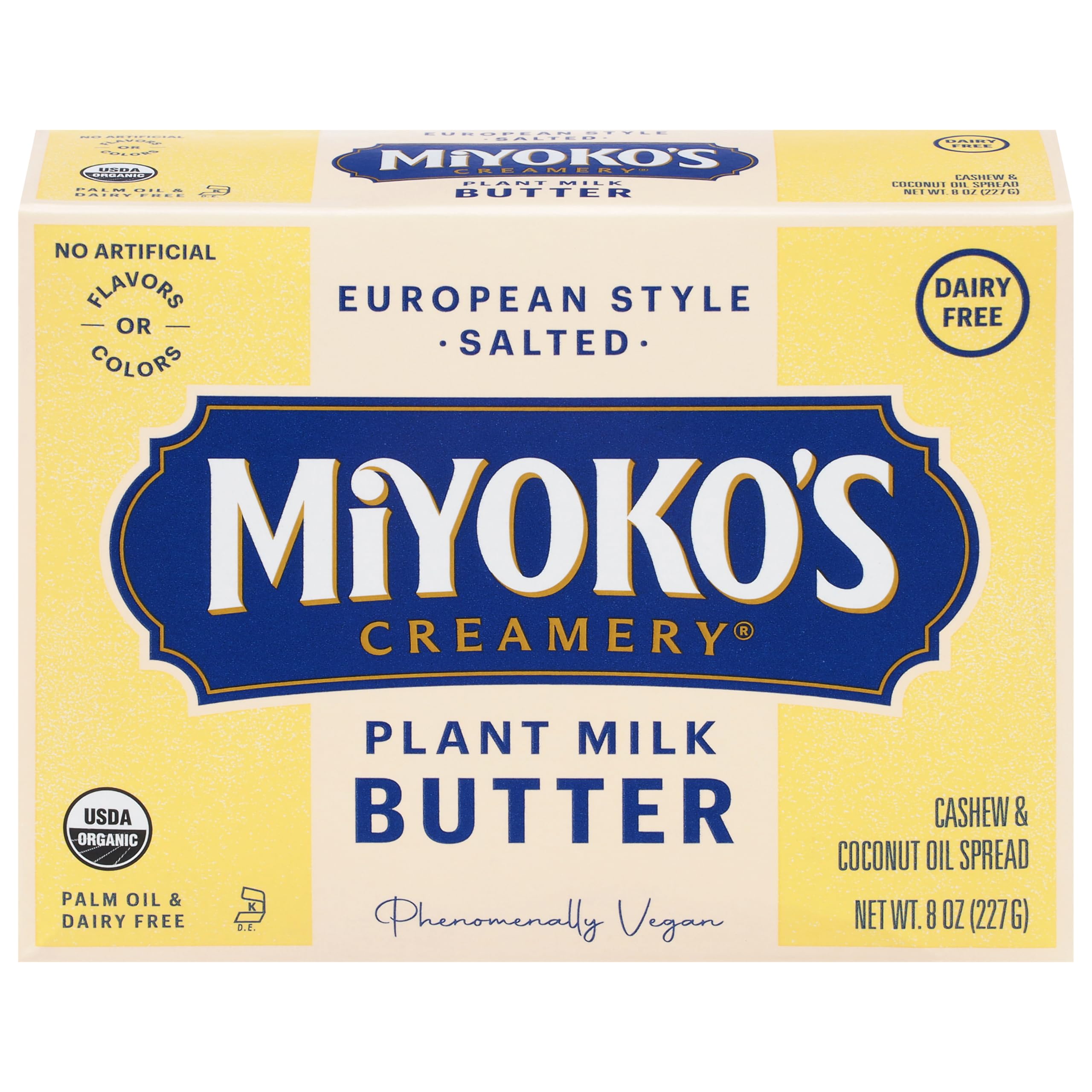
Finding a vegan cheese that melts without turning into rubber or tastes like plain wax is the pantry’s biggest hurdle. Most dairy alternatives rely heavily on starches and oils to mimic fat, which often results in a mouthfeel that feels more like processed plastic than real cheese. The best options in 2026 bridge that gap by using fermented nut bases or precision starch blends that actually break down under heat.
When evaluating these products, texture is the primary filter. A good vegan wedge should slice cleanly without crumbling and melt into a cohesive layer on toast or pizza. Flavor profiles range from sharp, aged notes in cashew-based blocks to mild, creamy spreads that work well as butter substitutes. We focused on brands that prioritize ingredient transparency and consistent meltability over artificial flavoring.
The following products represent the current top tier for taste and texture. They are selected for their ability to perform in cooking applications rather than just sitting on a cracker.


As an Amazon Associate, we may earn from qualifying purchases.
Top plant-based meat alternatives
Finding a plant-based meat alternative that actually satisfies a craving requires looking past the ingredient list and focusing on the bite. The best substitutes mimic the fibrous texture and savory depth of animal protein without relying on an excessive number of processing steps. We evaluated these options based on how well they hold up in a pan and whether they deliver a genuine meat-like experience.
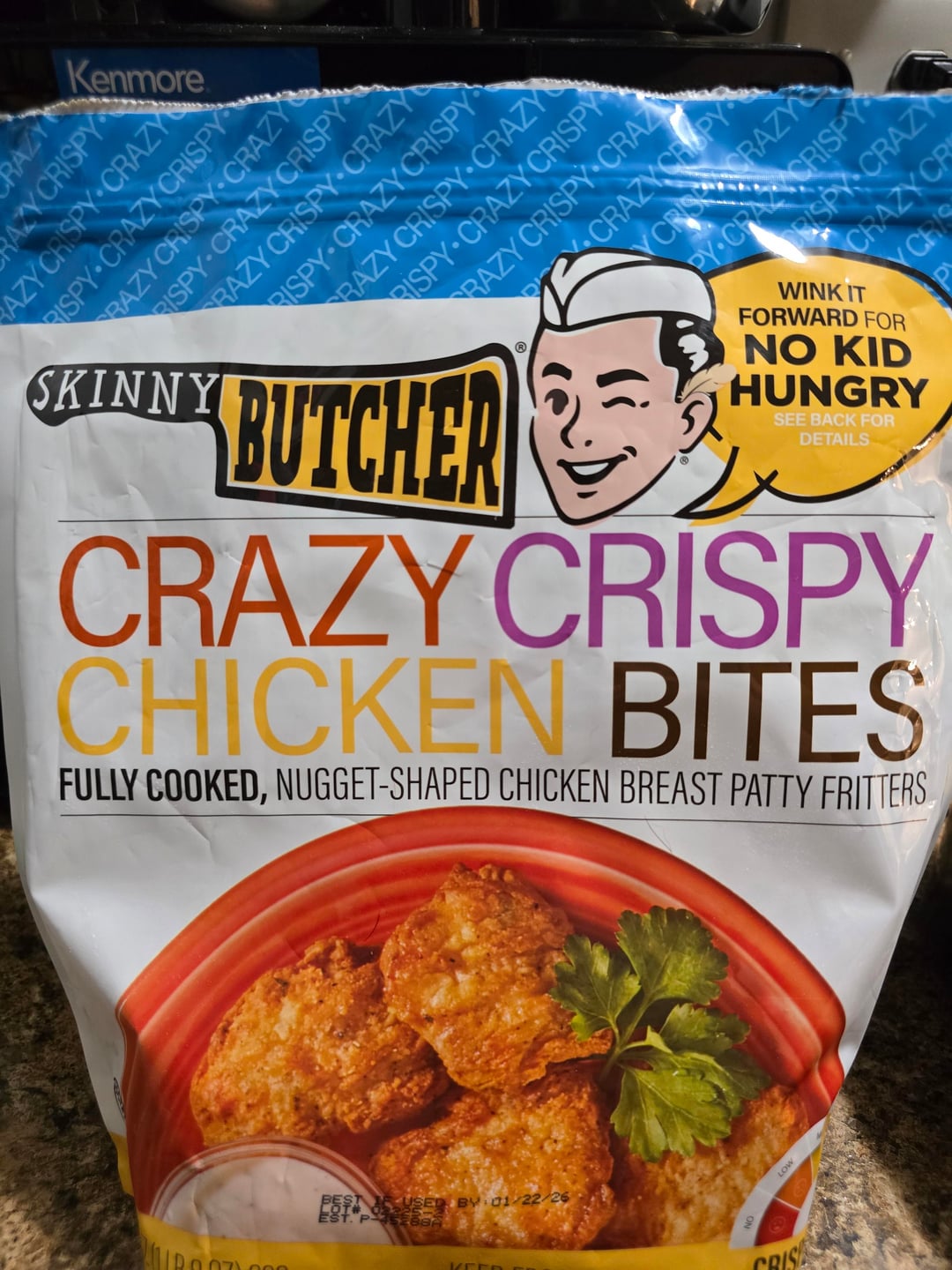
Skinny Butcher Vegan Chicken
Skinny Butcher stands out for its ability to replicate the crunch of fried chicken. Tested at Costco, this product delivers a crispy exterior that holds up well under high heat, making it ideal for breaded applications. The texture is firm and distinct, avoiding the mushy consistency that plagues many cheaper veggie nuggets.
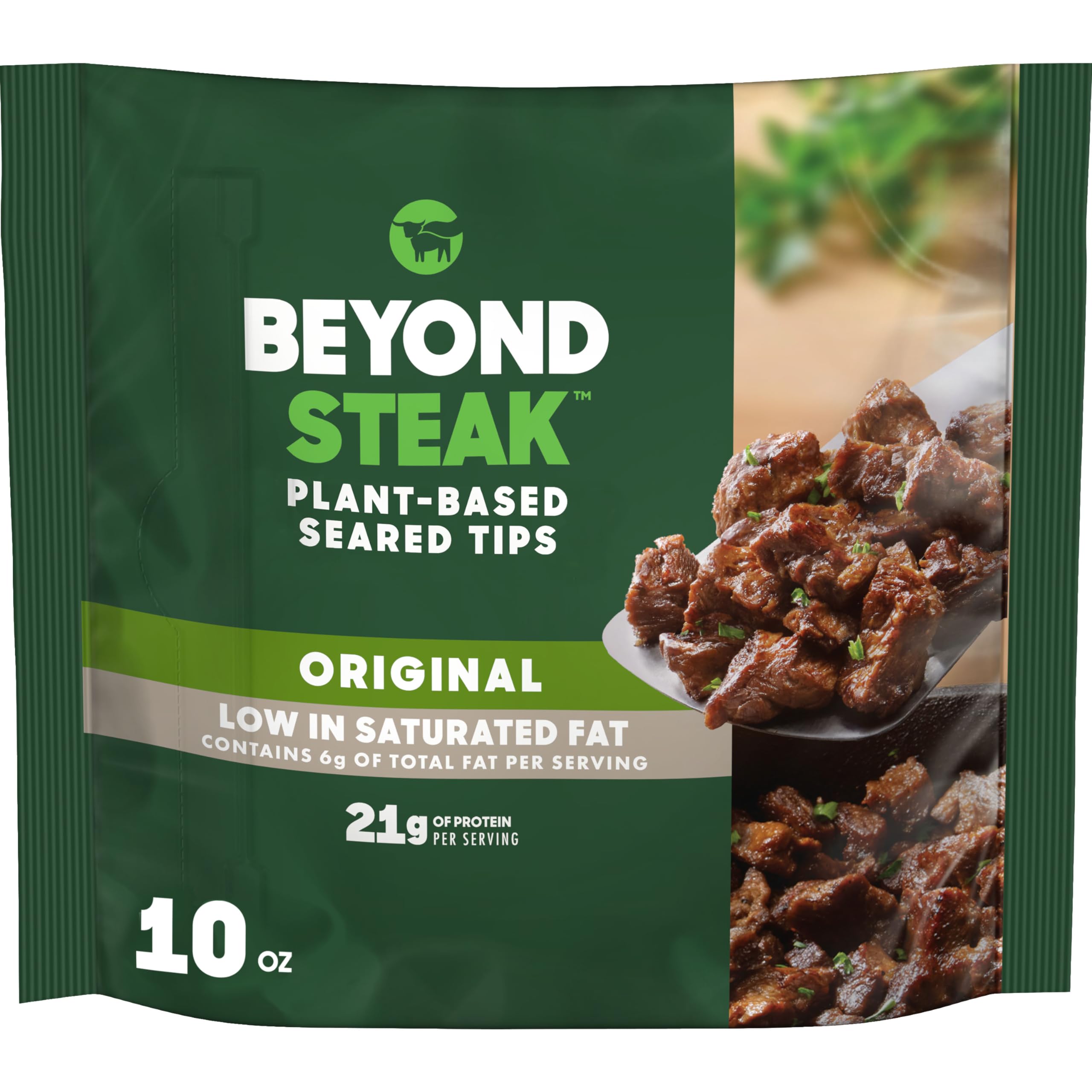
Beyond Steak Filet
For those craving a red meat experience, the Beyond Steak Filet offers a substantial chew that mimics a real cut of beef. It is designed to be seared quickly, developing a crust that locks in moisture. The flavor profile is earthy and robust, relying on beet juice for color and a savory blend of spices rather than artificial additives.
Top Vegan Bacon
Bacon is often the hardest plant-based product to get right, but recent iterations have closed the gap significantly. The top vegan bacon options now offer a smoky, salty crunch that rivals the original. These strips are thin enough to crisp up in a skillet or oven, providing that essential snap that soft, rubbery versions lack.

Comparison of Protein and Use Cases
Choosing the right substitute often depends on how you plan to cook it. The table below highlights the primary strengths of each option to help you decide which fits your pantry needs.
| Product | Best Use | Texture Profile |
|---|---|---|
| Skinny Butcher | Fried or breaded dishes | Crispy and firm |
| Beyond Steak Filet | Grilling or searing | Chewy and substantial |
| Vegan Bacon | Breakfast or salads | Thin and crunchy |
Vegan pantry staples and snacks
Building a well-stocked vegan pantry is less about strict restriction and more about convenience. When you have reliable non-perishable items on hand, cooking becomes a matter of assembly rather than invention. The right staples provide the foundation for quick meals, while thoughtful snacks keep energy levels steady between larger meals.
Plant-based milks
Not every plant milk behaves the same in your coffee or cereal. Oat milk offers a creamy texture that steams well for lattes, while almond milk stays light and nutty for smoothies. Coconut milk adds richness to curries and soups, and soy milk provides a protein boost that rivals dairy. Look for unsweetened versions to control sugar intake, and check for "barista" blends if you need that extra foam stability.
Savory sauces and condiments
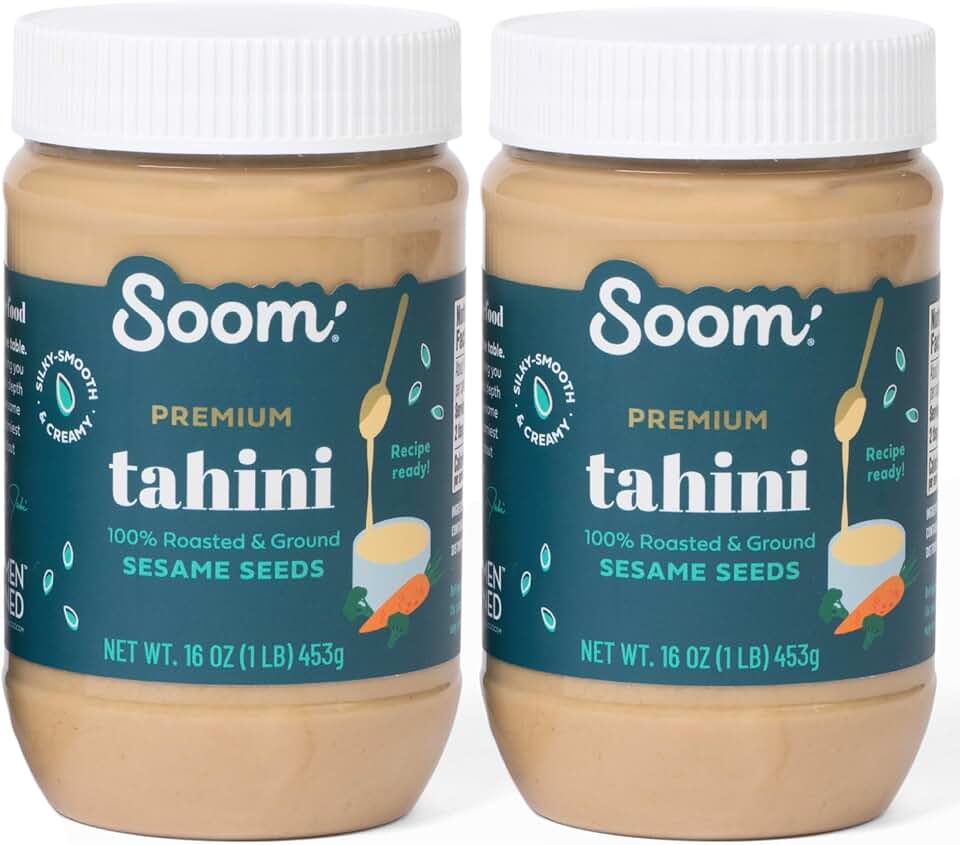
Sauces transform simple grains and vegetables into complete meals. Tamari or coconut aminos serve as gluten-free soy sauce alternatives, adding umami depth to stir-fries. Tahini brings a nutty creaminess to dressings and dips, while pesto made from basil and pine nuts adds instant flavor to pasta. Hot sauce and mustard provide sharp, acidic notes that cut through heavier dishes.
Healthy snacks
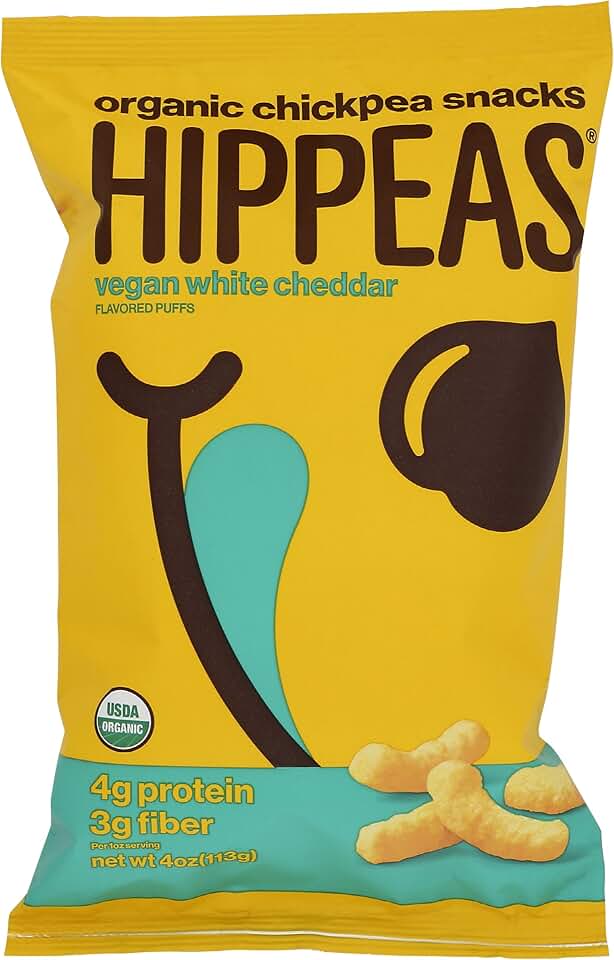
Snacking on vegan staples means choosing items that satisfy without relying on processed sugars. Roasted chickpeas offer a crunchy, protein-packed alternative to chips, while mixed nuts provide healthy fats and satiety. Dried fruits like apricots and dates are great for quick energy, and whole-grain crackers pair well with hummus or nut butters. Keep a variety on hand to prevent boredom and ensure you always have a quick, nutritious option.


As an Amazon Associate, we may earn from qualifying purchases.
Common vegan diet nutrition gaps
The most significant downside of a vegan diet is the risk of low vitamin B12 intake. Because B12 is naturally found in animal products like meat, poultry, and eggs, eliminating these foods creates a gap that can lead to neurologic and hematologic problems if not managed properly [1].
Beyond B12, vegans should monitor their intake of iron, calcium, and omega-3 fatty acids. While plant sources like spinach, lentils, and chia seeds contain these nutrients, they are often less bioavailable than their animal counterparts. This means you may need to consume larger quantities or pair foods strategically to ensure adequate absorption.
Addressing these gaps is straightforward with the right supplements and fortified foods. Below are some of the most highly rated vegan-friendly supplements to help you maintain optimal health.
As an Amazon Associate, we may earn from qualifying purchases.
Frequently asked questions about vegan products
What is a major downside of the vegan diet?
The most significant nutritional gap in a vegan pantry is vitamin B12. Because B12 is naturally found in animal products like meat, poultry, and eggs, strict vegans must rely on fortified foods or supplements to avoid neurologic and hematologic issues.
Is Snoop Dogg still vegan?
No, the rapper is not vegan. However, he remains a major figure in the plant-based space through his investments in companies like Beyond Meat and Outstanding Foods. His public support has helped normalize plant-based meats for many consumers.
What makes a vegan pantry staple worth buying?
Focus on taste and texture rather than just ethics. A good vegan product should mimic the mouthfeel of dairy or meat without an overwhelming chemical aftertaste. Check reviews for mentions of creaminess in milks or chewiness in alternative meats to ensure the product delivers on flavor.
How do I know if a product is truly vegan?
Look for certifications from recognized organizations, but also read the ingredient list carefully. Hidden animal derivatives like gelatin, casein, or shellac can appear in unexpected items like candy, coatings, and certain processed snacks.
No comments yet. Be the first to share your thoughts!