

Cultured meat might arrive by 2026
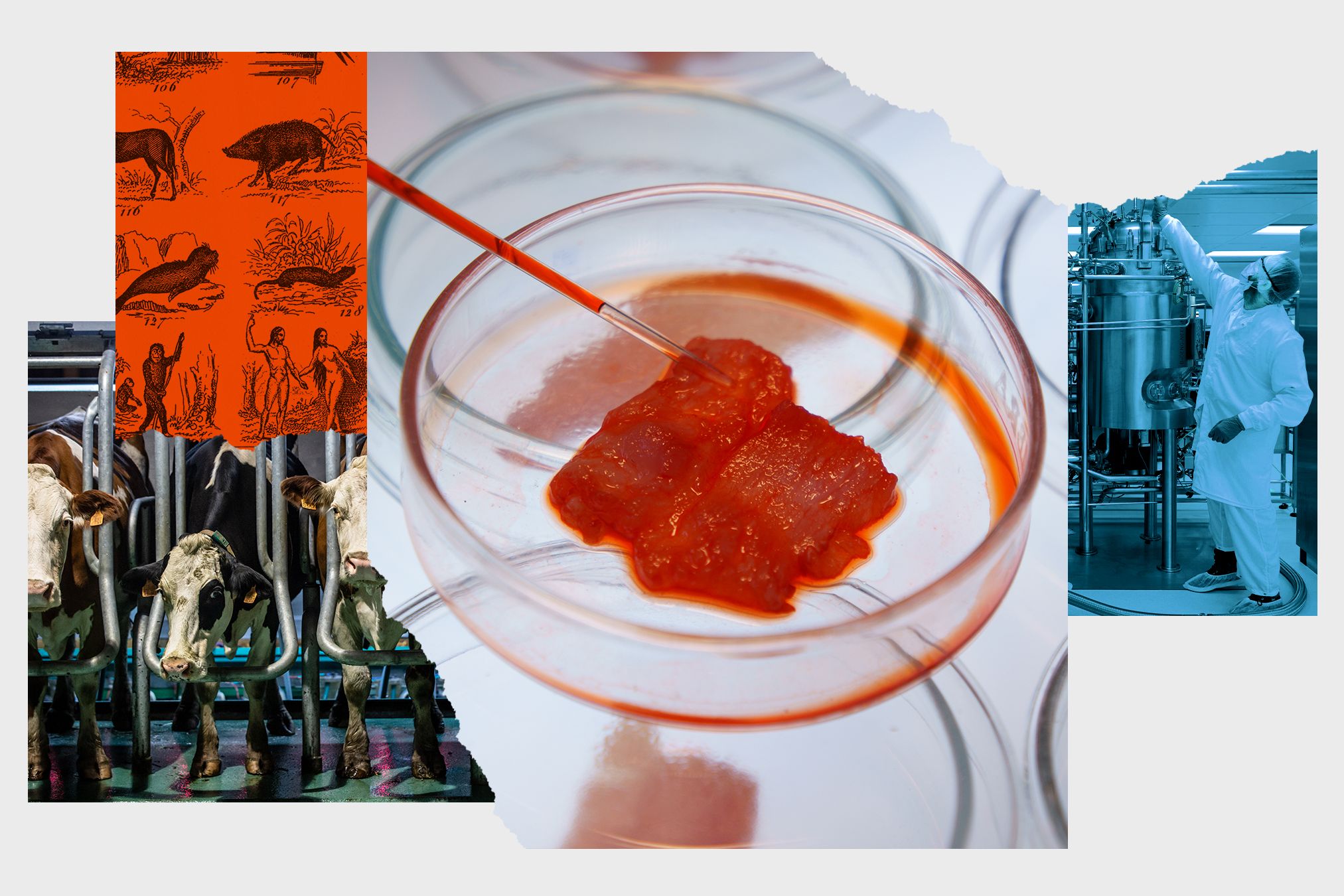
The promise of lab-grown, or cultivated, meat is finally starting to feel less like science fiction and more like a near-future reality. After decades of research, several companies are on the cusp of bringing these products to market, and 2026 is frequently cited as a potential inflection point. The basic process involves taking cells from a live animal, and then growing them in a bioreactor – essentially a controlled environment – using a nutrient-rich medium. A scaffolding structure is often used to give the cells a 3D form, mimicking the texture of traditional meat.
Currently, Upside Foods and GOOD Meat are leading the charge. In November 2023, the FDA granted Upside Foods approval to sell cultivated chicken in the US, a monumental first. GOOD Meat received similar approval shortly after. Aleph Farms, focusing on cultivated steak, is also making significant progress, though their path to market is slightly further out. These approvals don’t automatically mean widespread availability, however. Scaling up production is a massive undertaking, and significant hurdles remain.
Money is the biggest hurdle. Bioreactors and the liquid nutrients needed to feed the cells are expensive to run at scale. There is also the 'ick' factor—I'm not sure if most people are ready to swap a farm-raised bird for one grown in a steel vat. Regulators are still figuring out the rules, too. We might see these products on high-end menus by 2026, but they won't replace the local butcher anytime soon.
Vegan Alternatives Today: Beyond the Burger
The plant-based market has moved far beyond the early days of dry veggie patties. While Beyond and Impossible are the household names, newer brands are focused on the difficult stuff: the fibrous snap of a chicken breast or the flake of a white fish. These aren't just ground meat mimics anymore; they are attempts at replicating the actual anatomy of a cut of meat.
Protein sources are diversifying rapidly. Pea protein remains a popular choice, offering a good amino acid profile and relatively neutral flavor. Soy protein continues to be a workhorse ingredient, though it sometimes carries negative perceptions. Mycoprotein, derived from fungi, provides a uniquely meaty texture. Jackfruit, with its fibrous consistency, is frequently used in pulled "pork’ style products. And now, in 2026, we"re seeing the rise of fermented proteins and even lab-grown proteins integrated into plant-based blends – more on that later.
Each protein source has its strengths and weaknesses. Pea protein can sometimes be a bit dry. Soy can have a distinct taste some people dislike. Mycoprotein requires careful processing. Jackfruit may lack the richness of traditional meat. The best options often combine multiple protein sources to achieve a more satisfying result. Nutritional profiles also vary considerably, with some products being higher in sodium or saturated fat than others. Price points are becoming more competitive, but still generally higher than conventional meat.
- Beyond Meat makes the burgers and sausages found in most grocery aisles.
- Impossible Foods: Known for their heme-containing burgers.
- Tofurky: Offers a range of vegan deli slices and roasts.
- Good Catch: Specializes in plant-based seafood.
- Quorn: Utilizes mycoprotein for a meaty texture.
Featured Products

These products offer a diverse range of plant-based meat alternatives, allowing readers to explore and compare options as they consider the evolving landscape of vegan protein.

These products offer a diverse range of plant-based meat alternatives, allowing readers to explore and compare options as they consider the evolving landscape of vegan protein.

These products offer a diverse range of plant-based meat alternatives, allowing readers to explore and compare options as they consider the evolving landscape of vegan protein.

These products offer a diverse range of plant-based meat alternatives, allowing readers to explore and compare options as they consider the evolving landscape of vegan protein.

These products offer a diverse range of plant-based meat alternatives, allowing readers to explore and compare options as they consider the evolving landscape of vegan protein.
As an Amazon Associate I earn from qualifying purchases. Prices may vary.
The reality of what's in your burger
Comparing the nutritional content of cultivated meat and vegan alternatives is complex, as formulations vary widely. However, we can draw some general conclusions based on data released by Upside Foods and GOOD Meat, alongside analyses of popular plant-based products. Protein content is often comparable, but the type of protein and its digestibility can differ. Both cultivated meat and some vegan options may require added vitamins and minerals to match the nutritional profile of conventional meat.
Fat profiles are a key consideration. Cultivated meat, at least in its current iteration, tends to have a similar fat composition to conventional meat, including saturated fat. Many plant-based alternatives utilize vegetable oils, which are higher in unsaturated fats. Sodium levels can be surprisingly high in both cultivated meat and processed vegan products. Iron bioavailability is another concern; heme iron (found in animal products) is more easily absorbed than non-heme iron (found in plants). Vitamin B12 is typically added to both cultivated meat and vegan alternatives, as it’s not naturally present in either.
Neither cultivated meat nor vegan alternatives are inherently "healthier’ than conventional meat. It depends entirely on the specific product and an individual"s dietary needs. Some vegan products are heavily processed and contain numerous additives. Cultivated meat, while potentially reducing some risks associated with animal agriculture, is still a relatively new technology and its long-term health effects are unknown. Careful label reading and a balanced diet are crucial.
Cultivated Meat vs. Plant-Based Meat Alternatives: A Comparative Assessment (Projected for 2026)
| Meat Type | Protein Quality | Fat Profile | Environmental Impact | Additives/Processing |
|---|---|---|---|---|
| Cultivated Beef | Good | Similar to Traditional Beef | Potentially Lower, dependent on energy source | Moderate to High (growth factors, scaffolding) |
| Plant-Based Beef Style | Good | Variable, often higher in saturated fat than traditional beef | Generally Lower | Moderate (often includes binders, flavorings, and colorings) |
| Cultivated Chicken | Good | Similar to Traditional Chicken | Potentially Lower, dependent on energy source | Moderate (growth factors, scaffolding) |
| Plant-Based Chicken Style | Good | Variable, often utilizes vegetable oils | Generally Lower | Moderate (often includes methylcellulose, flavorings) |
| Plant-Based Pork Style | Fair | Variable, can be high in saturated fat | Generally Lower | Moderate to High (often requires significant processing for texture) |
| Plant-Based Seafood Style | Good | Variable, often relies on algal oils for Omega-3s | Generally Lower | Moderate (often includes carrageenan, flavorings) |
| Plant-Based Whole Muscle | Fair | Variable, dependent on protein source (pea, soy, etc.) | Generally Lower | High (complex processing required to mimic muscle structure) |
Illustrative comparison based on the article research brief. Verify current pricing, limits, and product details in the official docs before relying on it.
The high cost of tech-heavy food
Currently, cultivated meat is significantly more expensive to produce than plant-based alternatives, and this is reflected in the price. As of late 2023, a single cultivated chicken breast from Upside Foods could cost upwards of $50. GOOD Meat’s cultivated chicken is similarly priced. In contrast, a comparable amount of plant-based chicken can be purchased for around $5-$10. This price disparity is largely due to the high costs associated with bioreactor infrastructure and cell culture media.
Industry forecasts suggest that the cost of cultivated meat could decrease substantially by 2026, potentially falling to around $5-$20 per pound. This reduction would be driven by economies of scale, improvements in cell culture techniques, and the development of more efficient bioreactors. Even at that price point, however, cultivated meat is likely to remain more expensive than most plant-based alternatives. It’s also worth considering the potential for government subsidies to influence pricing.
The long-term economic implications are complex. If cultivated meat can achieve price parity with conventional meat, it could disrupt the entire agricultural industry. However, the high initial investment required to build and operate cultivated meat facilities could create barriers to entry for smaller producers. Plant-based alternatives, with their relatively lower production costs, may continue to dominate the market for the foreseeable future.
Will anyone actually eat this?
Beyond the technological and economic hurdles, consumer acceptance is a critical factor determining the success of both cultivated meat and plant-based alternatives. Many consumers are hesitant to try these products, driven by psychological and cultural barriers. The "ick factor" is particularly strong with cultivated meat – the idea of eating meat grown in a lab can be unsettling for some.
Consumer surveys reveal a mixed bag of responses. While some people are open to trying cultivated meat, many express concerns about its safety, taste, and ethical implications. Plant-based alternatives have generally seen wider acceptance, but still face challenges related to taste, texture, and price. Marketing and labeling play a crucial role in shaping consumer perceptions. Transparency and clear communication about the production process are essential for building trust.
The way these products are framed – as "sustainable’ or ‘ethical’ – can also influence consumer choices. Some consumers may be more willing to try cultivated meat if it"s positioned as a way to reduce animal suffering or mitigate climate change. Ultimately, widespread adoption will depend on overcoming consumer skepticism and creating products that are both appealing and affordable. The ability to use terms like 'meat' on packaging is also a contentious issue, with ongoing debates about labeling regulations.
2026 Standouts: Products to Watch
Looking ahead to 2026, several products and companies are poised to make a significant impact. On the cultivated meat front, keep an eye on Upside Foods and GOOD Meat as they ramp up production and expand their distribution. Aleph Farms’ cultivated steak is also one to watch, though its availability may be limited initially. We’re also seeing interesting developments in hybrid products – blends of cultivated meat and plant-based ingredients.
In the plant-based space, several companies are pushing the boundaries of innovation. According to Lonely Vegan’s recent product reviews, companies like Nowadays are creating whole-muscle vegan chicken alternatives with impressive texture and flavor. Prime Roots, utilizing koji fermentation, is offering unique vegan deli meats and seafood. And several startups are experimenting with new protein sources, such as fungi and algae, to create more sustainable and nutritious options.
Keep an eye out for collaborations between cultivated meat companies and plant-based ingredient suppliers. These partnerships could accelerate the development of hybrid products that combine the benefits of both technologies. The success of these products will ultimately depend on their ability to deliver on taste, texture, price, and sustainability.
- Upside Foods: Cultivated chicken.
- GOOD Meat: Cultivated chicken.
- Aleph Farms: Cultivated steak.
- Nowadays: Whole-muscle vegan chicken.
- Prime Roots uses koji to make deli meats that actually have a bite to them.
Would you try lab-grown meat if it were available at your local grocery store and priced similarly to conventional meat?
Vote below and share where you stand on lab-grown meat versus traditional vegan alternatives.
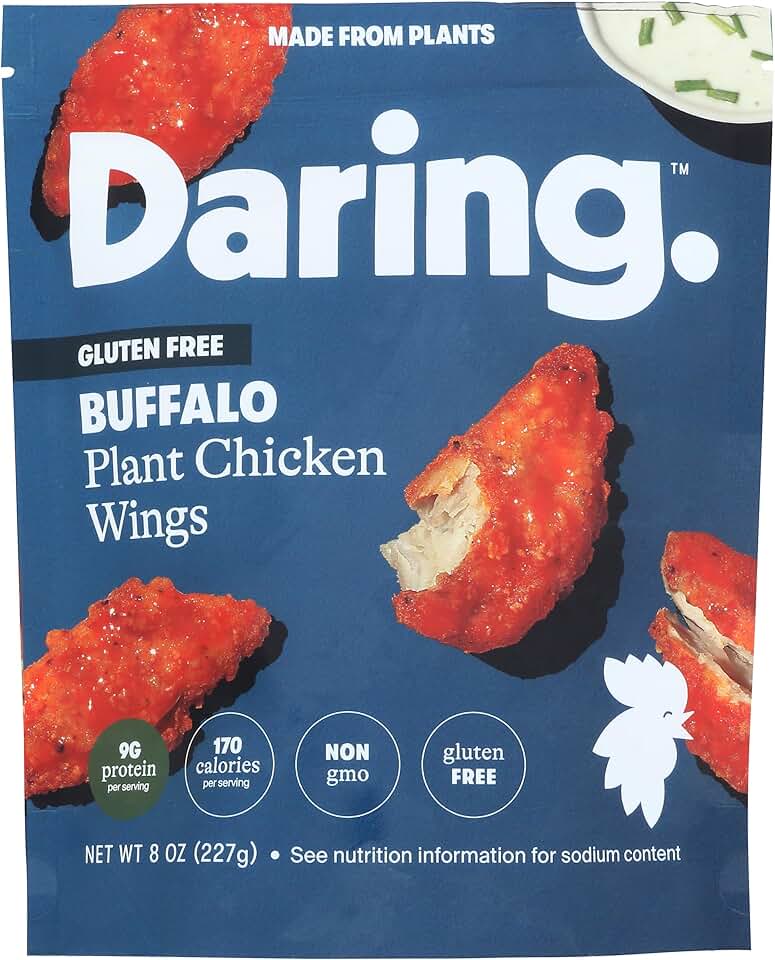
DARING Foods, Frozen, Chicken Wings Plant Based Buffalo, 8 Ounce
- Plant-based chicken wings made from whole muscle chicken alternatives
- Classic buffalo flavor
- Frozen for convenience and freshness
DARING Foods offers a leading plant-based whole muscle chicken alternative, providing a familiar and flavorful option for consumers exploring the evolving landscape of vegan meats.
View on Amazon →As an Amazon Associate I earn from qualifying purchases.
No comments yet. Be the first to share your thoughts!