
Beyond Water: Vegan Milks in 2026
Vegan milk options have exploded. Oat, almond, soy, pea, cashew, and hemp are just a few. This article focuses on three popular choices: oat milk, almond milk, and pea milk. They've moved beyond trends to become staples for many.
The FDA is developing labeling standards for plant-based milk alternatives, aiming for greater consumer clarity. However, understanding these milks involves more than just the carton; it includes nutritional value, environmental impact, and taste.
This comparison doesn't aim to declare a single 'best' vegan milk, as personal preference is significant. Instead, it offers an evidence-backed look at oat, almond, and pea milk to help you choose based on your needs and values.
Nutritional Breakdown: What Are You Drinking?
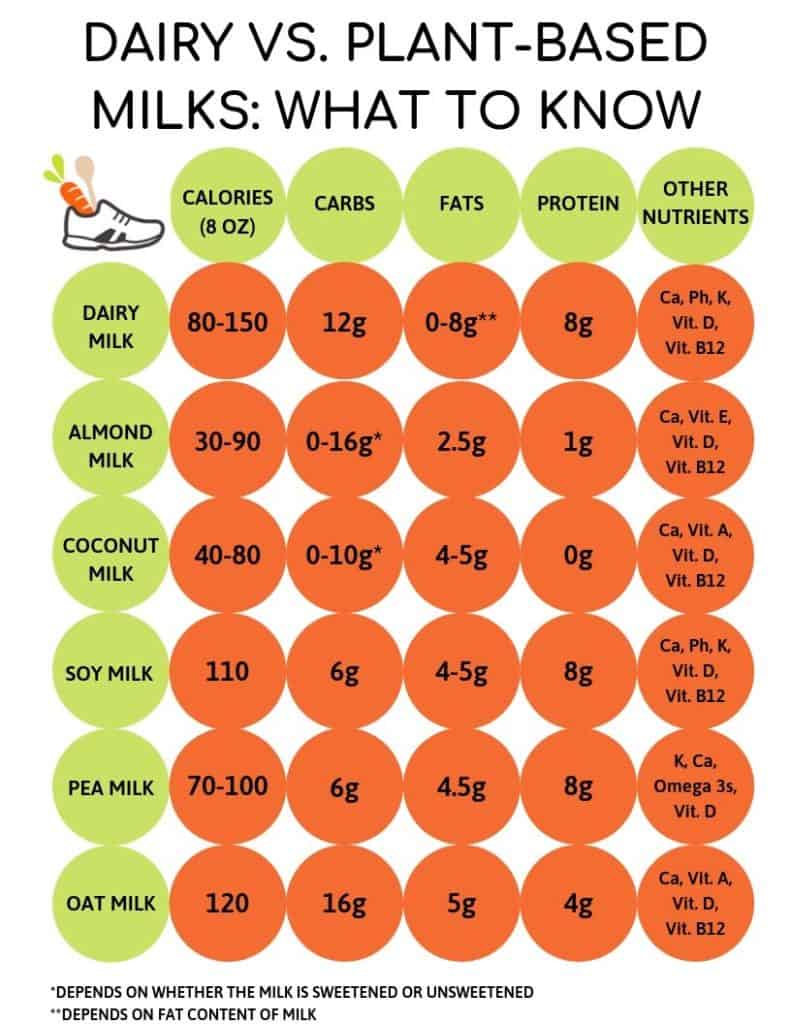
Nutritional content varies by brand, so typical values per 8-ounce (1 cup) serving are provided. Oat milk generally contains around 120 calories, 5g fat, 16g carbs, and 3g protein. It's often fortified with calcium and vitamin D, similar to dairy milk.
Unsweetened almond milk is lower in calories (typically 30-60 per cup) and protein (around 1g). It contains about 2.5g fat and 1-2g carbs. Many brands fortify it with calcium and vitamin D. Almond milk naturally has less protein than oat or pea milk.
Pea milk is nutritionally dense, typically offering around 70 calories, 4.5g fat, 0g carbs, and 8g protein per cup. This protein content is comparable to dairy milk. Pea milk is also often fortified with calcium, vitamin D, and vitamin B12. Fortification levels vary, so always check the label.
These are average values. Sweetened versions contain more carbohydrates and calories. Nutritional profiles vary between brands, so reading the nutrition facts panel is recommended.
- Oat Milk (per 1 cup): ~120 calories, 5g fat, 16g carbs, 3g protein
- Almond Milk (per 1 cup): ~30-60 calories, 2.5g fat, 1-2g carbs, 1g protein
- Pea Milk (per 1 cup): ~70 calories, 4.5g fat, 0g carbs, 8g protein
Vegan Milk Comparison (Per 8oz Serving - 2026)
| Brand & Type | Calories | Protein (g) | Fat (g) | Calcium (% Daily Value) | Vitamin D (IU) |
|---|---|---|---|---|---|
| Oatly Original Oat Milk | 120 | 3 | 5 | 25 | 2 mcg |
| Silk Almond Milk Unsweetened | 30 | 1 | 2.5 | 45 | 2.5 mcg |
| Ripple Original Pea Milk | 70 | 8 | 4.5 | 30 | 2.5 mcg |
| Califia Farms Oatmilk Barista Blend | 150 | 3 | 6 | 35 | 2 mcg |
| Blue Diamond Almondmilk Vanilla | 60 | 1 | 2.5 | 45 | 2.5 mcg |
| Bolthouse Farms Pea Protein Plant Milk | 60 | 10 | 2.5 | 35 | 2 mcg |
| Planet Oat Extra Creamy Oatmilk | 180 | 4 | 6 | 35 | 2 mcg |
Illustrative comparison based on the article research brief. Verify current pricing, limits, and product details in the official docs before relying on it.
Taste and Texture: The Sensory Experience
Oat milk is often described as creamy and slightly sweet, even unsweetened. It's versatile, working well in coffee without separating or curdling, and adds body to cereal and smoothies.
Almond milk has a subtle, slightly nutty flavor and a lighter texture than oat milk. Some brands can be watery and may not hold up well in hot coffee. The taste varies significantly, from strong almond notes to very neutral.
Pea milk has a fairly neutral, slightly sweet flavor and a creamy texture similar to oat milk. It blends well in smoothies and foams nicely for lattes, making it a good all-purpose option that won't overpower recipes.
Taste is subjective, and brands within each milk type differ significantly. Experimenting to find your favorite is part of the process.
Sustainability: Which Milk is Kindest to the Planet?
Sustainability is a significant consideration for many vegans. Almond milk faces criticism for its high water usage, particularly in drought-prone California, raising environmental concerns.
Oat milk generally has a lower water footprint than almond milk, though its production requires land and resources. Lifecycle assessments also consider fertilizer use and transportation. It's generally considered more sustainable than almond milk.
Pea milk is a relatively sustainable option. Peas require less water than almonds and oats and contribute to soil health by fixing nitrogen. Its overall carbon footprint is generally lower than almond and oat milk. However, processing and transportation impact the environmental footprint of any plant milk.
Packaging matters. Opt for milks in cartons rather than plastic. Some companies explore sustainable options like plant-based cartons. While no plant milk is without environmental impact, informed choices can help minimize your footprint.
Vegan Milk Sustainability Comparison: Oat, Almond & Pea (2026 Estimates)
Data: AI-generated estimate for illustration
Allergens and Sensitivities: What to Watch For
For those with allergies, reading ingredient labels is critical. Almond allergies are common, making almond milk unsuitable for affected individuals. Some people also experience sensitivities to other ingredients.
Oats can cause issues for those with gluten sensitivities or celiac disease due to potential cross-contamination during processing. Look for certified gluten-free oat milk if this is a concern. Pea milk is generally considered hypoallergenic, though sensitivities are possible.
Carrageenan, a seaweed-derived thickener, is used in some plant milks and has been debated. Some people experience digestive upset from it, while others do not. If concerned, choose brands without carrageenan.
For severe allergies, be mindful of potential cross-contamination in manufacturing facilities. Always check labels for allergen warnings and contact the manufacturer with questions. Caution is advised.
Price Check: How Much Does Vegan Milk Cost?
Cost is a factor. As of late 2026, a half-gallon of vegan milk typically ranges from $2.50 to $4.00 for unsweetened almond milk, $3.50 to $5.50 for oat milk.
Pea milk typically costs $4.00 to $6.00 per half-gallon. Organic versions are more expensive. Prices vary by location, store, and sales.
Online deals may exist, but factor in shipping costs. Making vegan milk at home can be cost-effective long-term but requires effort and equipment.
- Almond Milk (half-gallon): $2.50 - $4.00
- Oat Milk (half-gallon): $3.50 - $5.50
- Pea Milk (half-gallon): $4.00 - $6.00
Featured Products
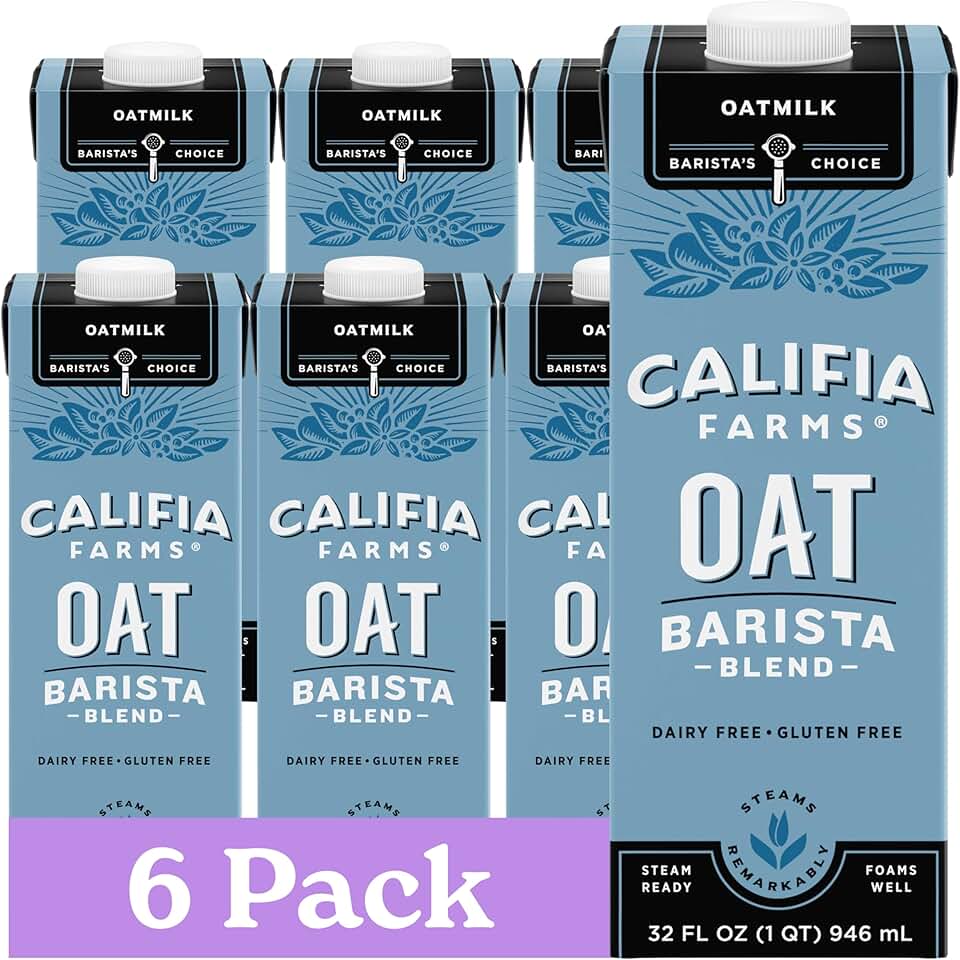
Barista Blend designed for frothing and steaming · Shelf-stable for convenient storage · High in calcium and suitable for various dietary needs (dairy-free, vegan, gluten-free, non-GMO)
Califia Farms Oat Barista Blend is recommended for its excellent frothing capabilities, making it ideal for coffee enthusiasts seeking a creamy texture in their lattes and cappuccinos.
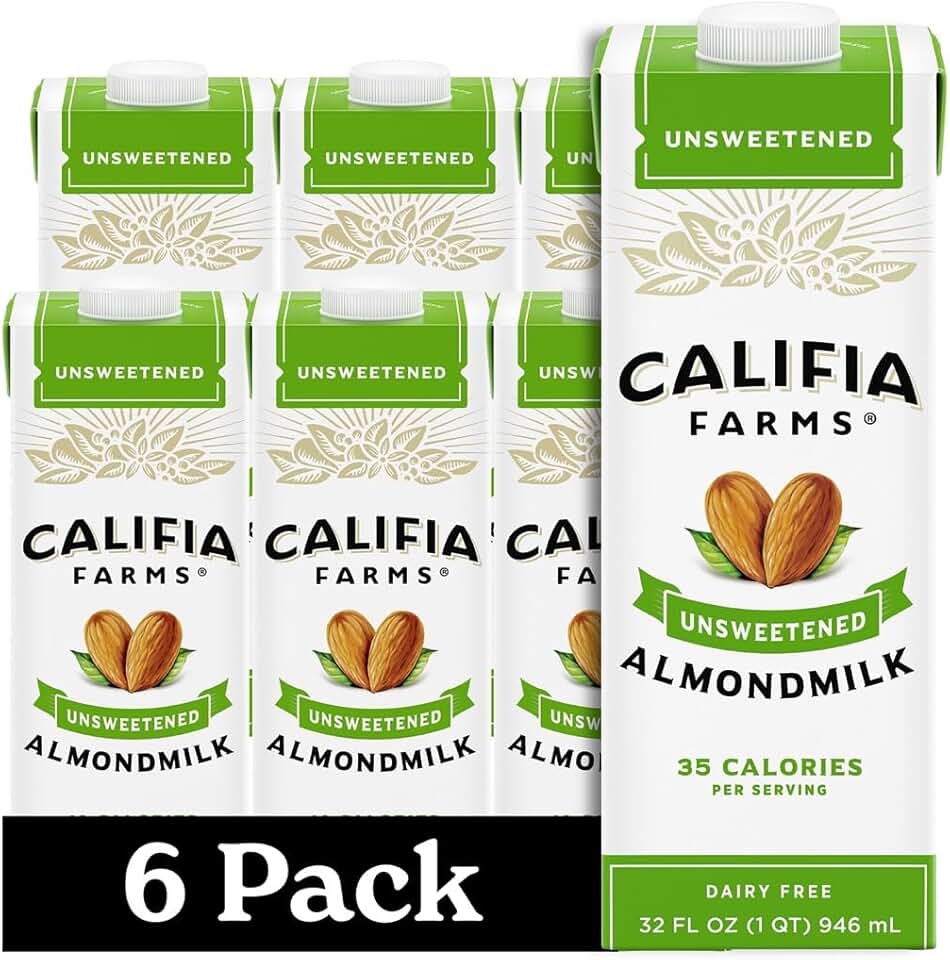
Unsweetened and sugar-free, suitable for keto diets · Shelf-stable for long-term storage · High in calcium and meets various dietary standards (dairy-free, vegan, gluten-free, non-GMO)
Califia Farms Unsweetened Almond Milk is a great choice for those monitoring sugar intake or following a keto diet, offering a neutral flavor that complements smoothies and everyday use.
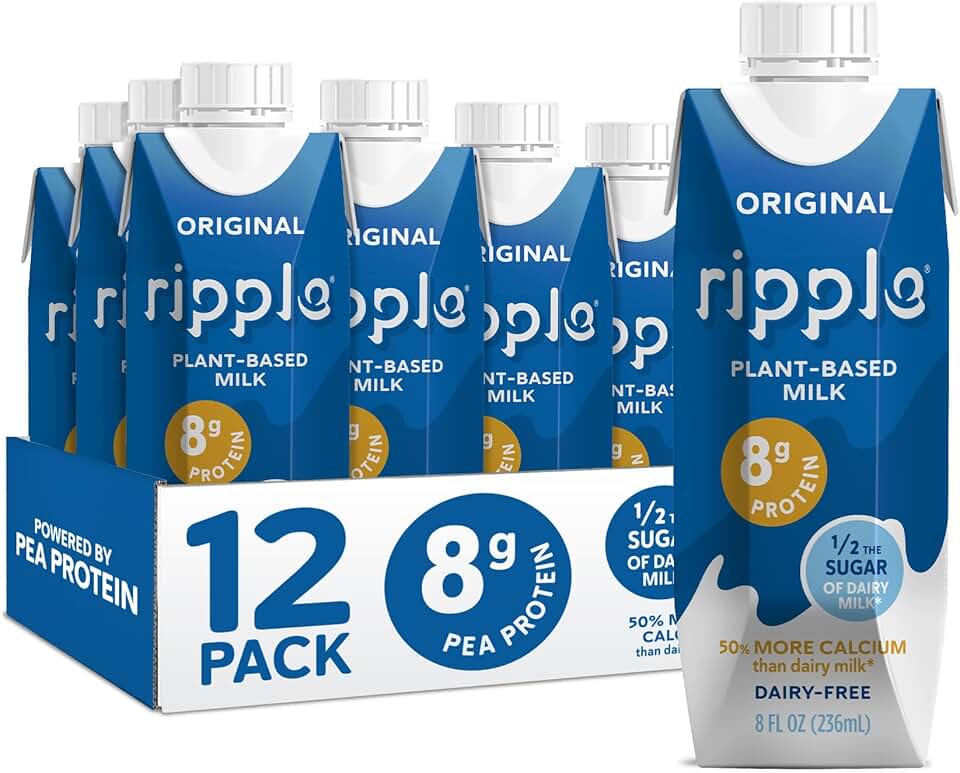
Provides 8g of high-quality pea protein per serving · Rich in calcium and free from common allergens (dairy, soy, nut, gluten, lactose) · Convenient 8 fl oz shelf-stable cartons, perfect for on-the-go
Ripple Original Plant Based Milk stands out for its significant pea protein content, making it a nutritionally robust option for those seeking a plant-based milk that supports muscle health.

Made with just water and almonds for a simple ingredient list · Unsweetened and contains no added sugar · Shelf-stable and meets kosher standards, offering a clean plant-based alternative
Elmhurst 1925 Unsweetened Almond Milk is highlighted for its minimalist ingredient list, appealing to consumers who prefer simpler, cleaner formulations in their plant-based beverages.
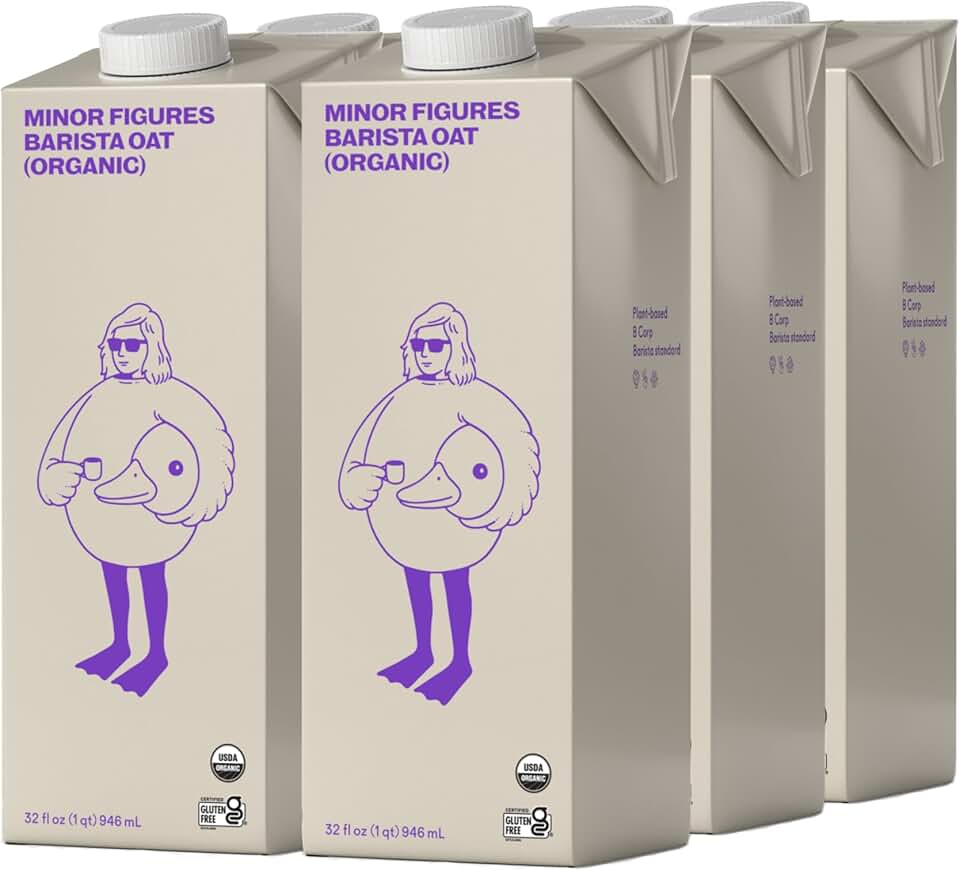
USDA Organic and Non-GMO certified · Barista Standard, designed for optimal performance in coffee · Unsweetened and shelf-stable for versatile use
Minor Figures Organic Oat Milk is recommended for its commitment to organic ingredients and its barista-standard formulation, ensuring a rich, creamy texture that integrates seamlessly into hot beverages.
As an Amazon Associate I earn from qualifying purchases. Prices may vary.
2026 Trends: What’s New in Vegan Milk?
undefined acids. These alternatives provide more options for those with specific dietary needs or preferences.
Companies are also focusing on improving the texture and flavor of existing plant milks. Expect to see more innovations in processing techniques, resulting in creamier, smoother milks that perform better in coffee and other applications. Fortification is also being refined, with companies exploring new ways to enhance the nutritional profile of plant milks.
Sustainable packaging is a major focus. Many brands are switching to plant-based cartons and exploring compostable options. Addressing allergen concerns is another priority, with companies developing new formulations that minimize the risk of cross-contamination. The future of vegan milk looks bright, with a continued emphasis on sustainability, nutrition, and taste.
No comments yet. Be the first to share your thoughts!