
Plant Protein in 2026: What’s Changed
The vegan protein powder market has changed a lot recently. More people are eating plant-based diets for health, ethical, and environmental reasons, driving up demand. Once, there were only a few gritty, bad-tasting options, but now there are many innovative products.
New protein sources are becoming popular beyond the usual ones. Pea protein is still common, but brown rice, pumpkin seed, sunflower seed, and blends with sacha inchi and chia seeds are used more often. Companies are also working hard to improve taste and texture because people won't stick with powders they don't like.
Vegan protein used to be criticized for having incomplete amino acid profiles and bad textures. But, blending different protein sources and using special processes have fixed most of these problems. Many products now offer complete protein profiles like whey, and the chalky powders are disappearing. Vegans have more good options for protein now.
It's not just about better-tasting shakes. The quality of ingredients and how transparent companies are about where they come from are also getting better. People are more careful about what they buy, wanting products that work well and match their values.
Decoding Protein Sources: A Quick Guide
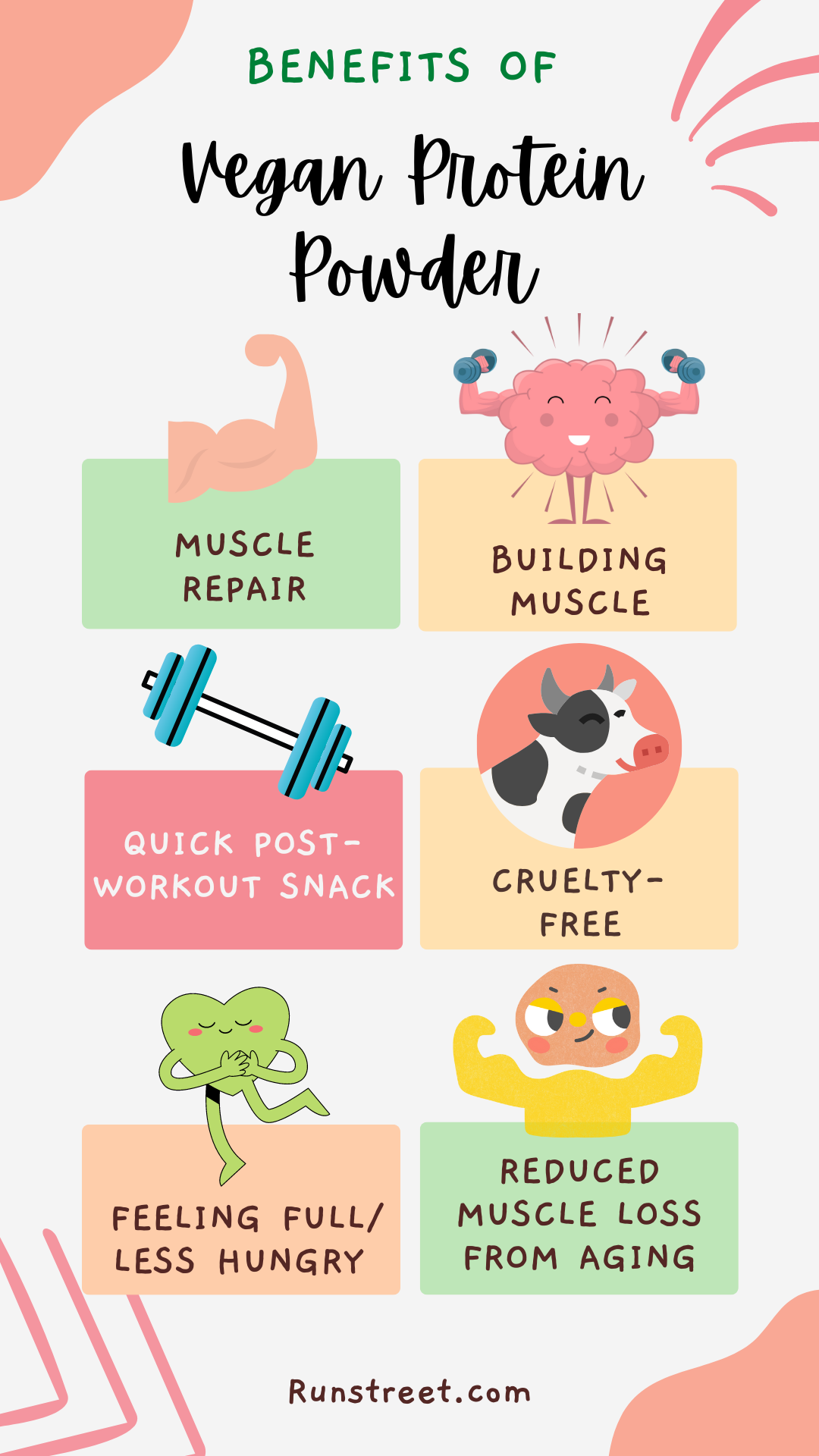
Knowing the different plant-based protein sources helps you pick the right powder. Pea protein, from yellow split peas, is popular because it has a lot of protein and a mild taste. It's high in arginine and lysine but low in methionine, so it's often mixed with other proteins.
Brown rice protein is another common ingredient, with a good amino acid profile that many find easy to digest. However, it's not a complete protein by itself, as it lacks enough of all nine essential amino acids. Pumpkin seed protein is growing in popularity, providing magnesium and zinc along with a good amount of protein.
Soy protein, though sometimes debated, is a complete protein and easily absorbed. Worries about phytoestrogens are usually exaggerated, but some people still choose to avoid it. Sunflower seed protein is a newer choice, offering a nutty taste and vitamin E. Mixing different sources is usually the best way to get a complete amino acid profile and better digestion.
Be aware of potential allergens. Soy and wheat (sometimes used in processing) are common, so read labels carefully. Pea protein can cause bloating for some. The best protein source is really the one your body handles well and that you like.
Top 8 Vegan Protein Powders (2026)
There are many options, so choosing the best vegan protein powders takes thought. Here are eight choices with different features and prices. Prices are estimates based on listings from May 4, 2026.
OWYN Plant-Based Protein Powder: This brand consistently receives high marks for taste and mixability. A 20oz container costs around $35, offering about 20 servings with 20g of protein per serving. The primary protein source is pea protein, with added pumpkin seed protein. It’s certified organic and comes in several flavors, including vanilla and chocolate. It’s widely available at Whole Foods and online.
Garden of Life Raw Organic Protein: A popular choice for those seeking a whole-food based protein, this powder boasts 22g of protein per serving and is derived from sprouted grains, seeds, and legumes. A 14oz container is around $40, providing roughly 14 servings. It’s certified organic and non-GMO. Some users find the texture a bit grainy.
Vega Sport Premium Protein: Specifically designed for athletes, Vega Sport offers 30g of protein per serving from a blend of pea, pumpkin seed, sunflower seed, and alfalfa protein. A 32oz container costs approximately $50, providing around 20 servings. It includes branched-chain amino acids (BCAAs) and tart cherry to aid recovery. The chocolate flavor is particularly well-regarded.
Naked Nutrition Vegan Protein: Known for its minimalist approach, Naked Nutrition offers a simple blend of pea protein with no added sugars, artificial flavors, or sweeteners. A 32oz container is around $45, with 30g of protein per serving. It’s a good option for those with sensitivities or who prefer a clean label. Mixability can be slightly challenging.
Ritual Essential Protein Daily Shake 18+: This powder focuses on providing essential nutrients alongside 15g of protein per serving from organic pea protein. A 30-serving container costs around $40. It includes a blend of vitamins and minerals, making it a convenient all-in-one option. The flavor options are limited.
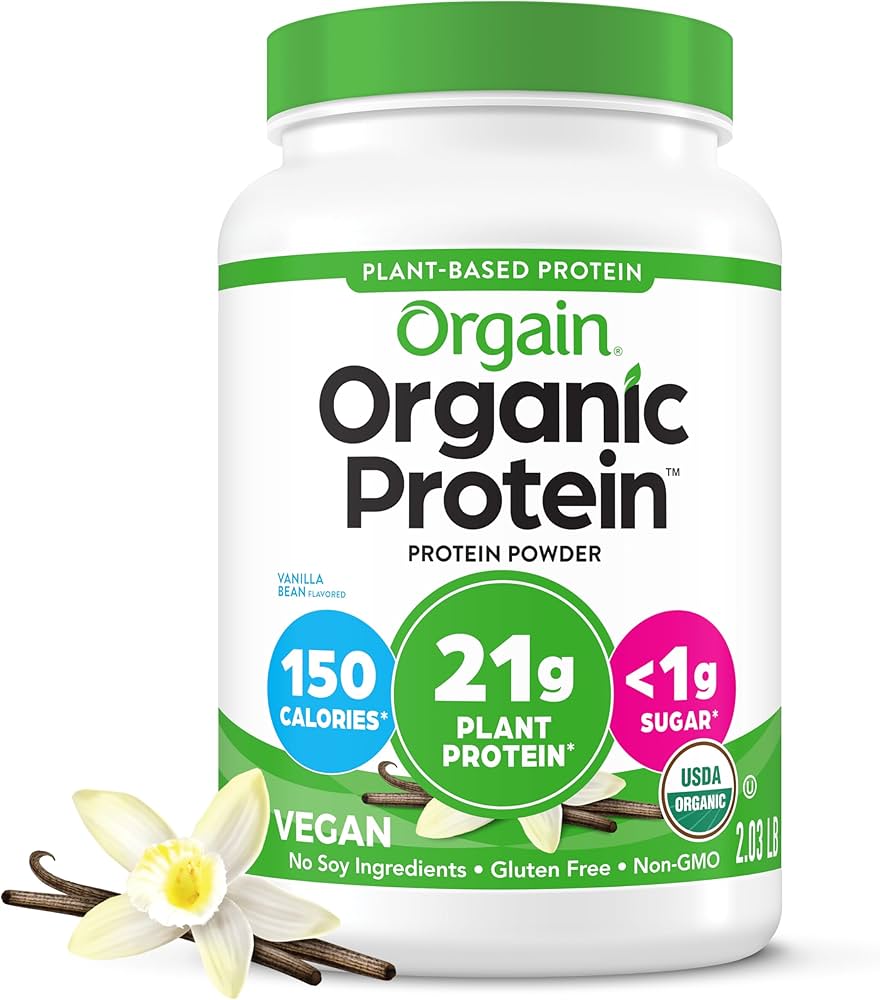
Orgain Organic Vegan Protein Powder: Orgain is a readily available and affordable option, offering 21g of protein per serving from a blend of pea, brown rice, and chia seed protein. A 2lb container is around $30, providing approximately 25 servings. It’s certified organic and comes in a variety of flavors. It's a good entry point for those new to vegan protein.
Gnarly Nutrition Vegan Protein: This powder, priced around $45 for a 30-serving container, delivers 25g of protein from a blend of pumpkin, sunflower, and watermelon seed proteins. It stands out for its focus on digestibility and minimal ingredients. It’s a good choice for those with sensitive stomachs. The flavor choices are somewhat limited.
MRM Veggie Elite Performance Protein: Offering 25g of protein per serving, this blend uses pea, brown rice, and pumpkin seed proteins. A 2lb container costs around $35. It's designed for post-workout recovery and includes added BCAAs. Some reviewers note a slightly artificial aftertaste.
Featured Products

21g of plant-based protein per serving · 6g of prebiotic fiber · USDA Organic, Non-GMO, no added sugar
Orgain offers a smooth vanilla bean flavor with a good balance of protein and fiber, making it a versatile choice for daily shakes and smoothies.

22g of plant-based protein per serving · Contains probiotics and digestive enzymes · USDA Organic, Non-GMO, gluten-free, and lactose-free
Garden of Life provides a comprehensive blend of organic plant proteins, enhanced with probiotics and enzymes to support digestion and absorption.

30g of vegan protein per serving · Includes probiotics for gut health · NSF Certified for Sport, dairy & gluten-free
Vega Protein + Recovery is ideal for post-workout, delivering a substantial 30g of protein along with probiotics to aid muscle recovery and gut health.
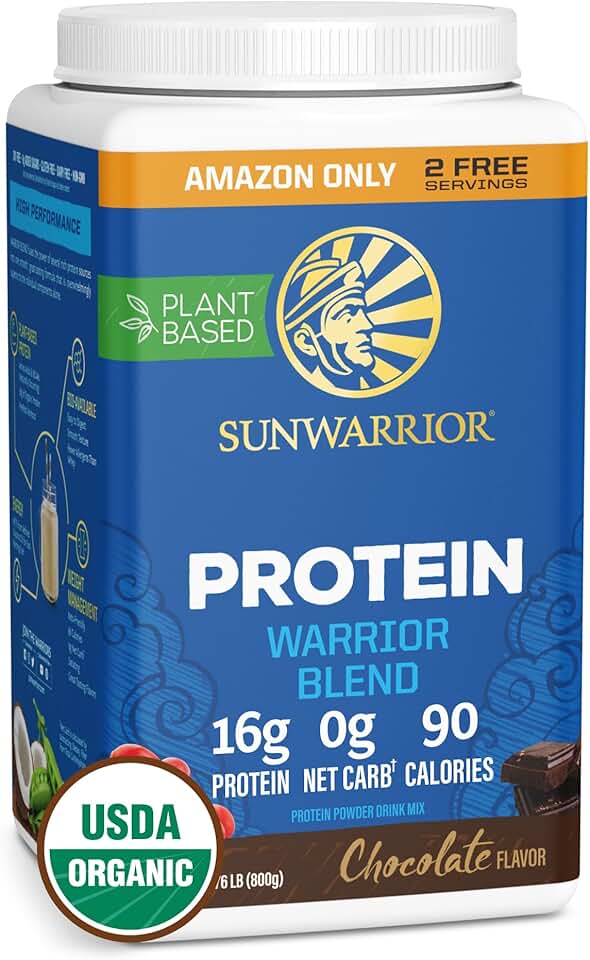
Plant-based protein blend with BCAA amino acids · Chocolate flavored with no soy, dairy, or gluten fillers · USDA Organic, Non-GMO
This chocolate-flavored option is a clean, USDA Organic choice, featuring a pea and hemp seed blend for a complete amino acid profile without common allergens.
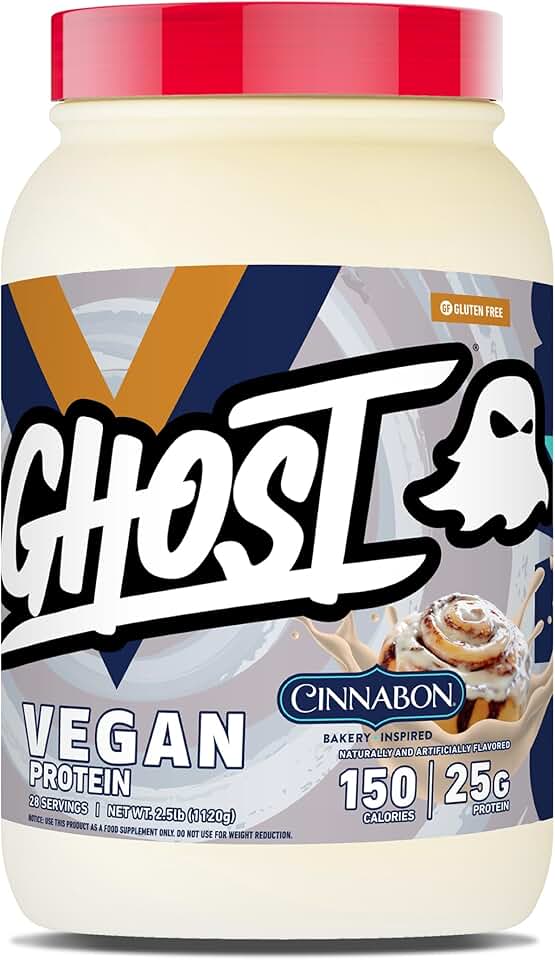
25g of plant-based protein per serving · Blend of pea and organic pumpkin seed protein · Contains fiber and iron, soy & gluten-free
GHOST Vegan V2 offers a unique Cinnabon flavor and a blend of pea and pumpkin seed protein, providing essential nutrients like fiber and iron in a soy and gluten-free formula.
As an Amazon Associate I earn from qualifying purchases. Prices may vary.
Flavor & Mixability: Real-World Tests
Taste and mixability are often deal-breakers when it comes to protein powders. Thankfully, the quality has improved drastically in recent years. OWYN and Vega Sport consistently score high marks in blind taste tests, with their chocolate flavors being particularly popular.
Naked Nutrition, while offering a clean ingredient list, tends to have a more noticeable pea protein flavor that some may find unappealing. Orgain generally mixes well, but can sometimes leave a slight residue. Ritual’s flavors are subtle, which some appreciate, while others find them bland.
Mixability varies significantly. Powders with finer grinds, like OWYN and Vega Sport, dissolve easily in water or plant milk. Naked Nutrition and Garden of Life can require a bit more effort, sometimes benefiting from a blender bottle. Here’s a quick breakdown:
| Protein Powder | Mixability | |--------------------------|------------| | OWYN | Easy | | Vega Sport | Easy | | Garden of Life | Moderate | | Naked Nutrition | Difficult | | Orgain | Moderate | | Ritual | Easy | | Gnarly Nutrition | Moderate | | MRM Veggie Elite | Moderate |
Beyond the Basics: Added Ingredients
It’s crucial to look beyond the protein content and examine the added ingredients. Many vegan protein powders contain added sugars, often in the form of cane sugar or stevia. While a small amount of sweetener can improve palatability, excessive sugar is undesirable.
Artificial sweeteners, like sucralose and aspartame, are common in some brands, but many consumers actively avoid them. Thickeners, such as guar gum and xanthan gum, are used to improve texture, but can cause digestive issues in some individuals. Digestive enzymes, like protease and amylase, can aid in protein digestion and nutrient absorption.
Probiotics are increasingly added to protein powders to support gut health. Superfood blends, including ingredients like spirulina and maca root, are also popular, but their benefits are often overstated. It’s important to read the label carefully and understand what you’re consuming.
Some powders also include added vitamins and minerals, aiming to provide a more comprehensive nutritional boost. While this can be beneficial, it’s important to ensure you’re not exceeding your daily recommended intake of any particular nutrient.
Vegan Protein Powder Additive Comparison - 2026
| Powder Name | Sweetener Type | Digestive Enzymes | Probiotics | Other Notable Additives |
|---|---|---|---|---|
| OWYN Plant Protein | Organic Monk Fruit | Yes | Yes | Sunflower Lecithin, Sea Salt |
| Orgain Organic Vegan Protein | Organic Stevia | Yes | No | Chia Seeds, Flax Seeds, Beetroot Powder |
| Garden of Life Raw Organic Protein | Organic Stevia | Yes | Yes | Sprouted Grains, Fruits & Vegetables Blend |
| Vega Sport Premium Protein | Stevia Leaf Extract | Yes | No | Algae Oil, Tart Cherry |
| Sunwarrior Warrior Blend | Stevia | No | No | Medium-Chain Triglycerides (MCTs), Spirulina |
| Nutrabolt C4 Plant-Based Protein | Sucralose | Yes | No | Sunflower Oil, Natural Flavors |
| Naked Nutrition Vegan Protein | None | No | No | None |
| MRM Veggie Elite Performance Protein | Stevia | Yes | No | Pumpkin Seed Powder, Pea Fiber |
Illustrative comparison based on the article research brief. Verify current pricing, limits, and product details in the official docs before relying on it.
Protein Needs: How Much Do *You* Need?
Determining your individual protein needs is essential for maximizing the benefits of supplementation. The Recommended Dietary Allowance (RDA) for protein is 0.8 grams per kilogram of body weight per day, but this is a minimum requirement to prevent deficiency.
Individuals who are physically active require more protein. Moderately active vegans (exercising 3-5 times per week) should aim for 1.2-1.7 grams of protein per kilogram of body weight. Athletes and those engaged in intense training may need even more, up to 2.2 grams per kilogram.
For example, a 150-pound (68 kg) moderately active vegan would need approximately 82-116 grams of protein per day. It’s important to distribute protein intake throughout the day, rather than consuming it all in one sitting. Consider incorporating protein-rich foods like lentils, beans, tofu, and tempeh into your diet alongside protein powder.
These are general guidelines, and individual needs may vary based on factors like age, muscle mass, and overall health. Consulting with a registered dietitian or healthcare professional can help you determine the optimal protein intake for your specific needs.
Standout Powders: Worth a Closer Look
From the previous list, a few powders particularly impressed me. Gnarly Nutrition Vegan Protein stands out for its commitment to digestibility. The blend of pumpkin, sunflower, and watermelon seed proteins seems to genuinely minimize bloating, a common issue with pea protein-heavy formulas.
Ritual Essential Protein Daily Shake 18+ is noteworthy for its focus on overall nutrition. It’s not just about protein; it’s about providing essential vitamins and minerals in a convenient package. While the flavor options are limited, the quality of ingredients is excellent.
Finally, OWYN Plant-Based Protein Powder remains a top pick for its exceptional taste and mixability. It’s a versatile option that can be easily incorporated into smoothies, shakes, or even baked goods. The wide availability makes it accessible to most consumers.
Future Trends in Plant Protein
The vegan protein powder market is poised for continued innovation. Emerging protein sources, like algae and cultured protein, are generating excitement. Algae protein, derived from spirulina and chlorella, is highly nutritious and sustainable, but currently faces challenges with taste and texture.
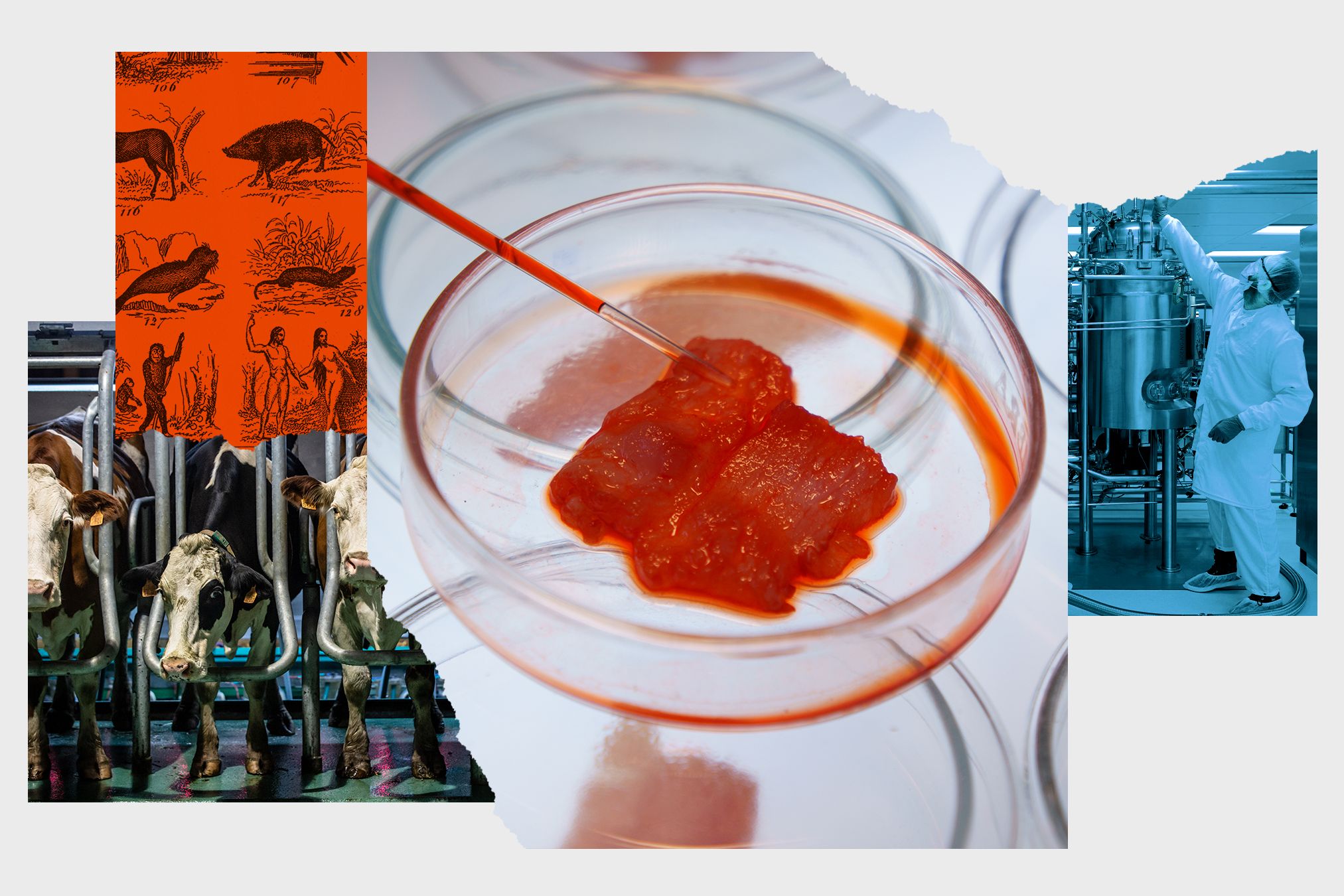
Cultured protein, produced through fermentation, has the potential to offer a complete protein profile and a neutral flavor. However, it’s still in the early stages of development and faces regulatory hurdles. Improvements in taste and texture are also ongoing, with manufacturers exploring new processing techniques and flavor combinations.
Personalized nutrition is another growing trend. Companies are beginning to offer protein powders tailored to individual needs based on factors like genetics, activity level, and dietary preferences. This level of customization could revolutionize the way we approach protein supplementation.
Expect to see more emphasis on sustainability and transparency in the coming years. Consumers are increasingly demanding products that are ethically sourced and environmentally friendly. The future of plant protein is bright, with exciting possibilities on the horizon.
No comments yet. Be the first to share your thoughts!