

Plant protein market changes
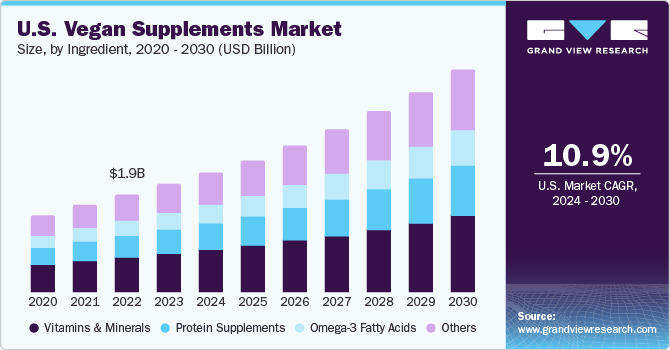
The vegan protein powder market has exploded in recent years. It’s no longer the small, niche corner of the supplement industry it once was. We’re seeing more brands enter the space, a wider variety of protein sources, and a significant improvement in both taste and bioavailability. It feels like just yesterday that vegan protein meant choking down a gritty, unpleasant shake, but thankfully, those days are largely behind us.
This shift is driven by a growing demand for plant-based options. More people are adopting vegan and vegetarian lifestyles for ethical, environmental, and health reasons. Even those who aren’t fully plant-based are increasingly looking for ways to incorporate more plant protein into their diets. This isn’t just a trend; it’s a fundamental change in how people think about nutrition.
The increased competition has forced brands to innovate. They’re using new technologies to improve protein extraction and purification, and they’re experimenting with different flavor combinations to make their products more palatable. The result is a market that’s more dynamic and consumer-friendly than ever before. This guide will cut through the noise and offer a comprehensive overview of the best vegan protein powders available in 2026.
We’ll look at the different protein sources, analyze key features, and provide honest assessments of taste and texture. Our goal is to help you find the perfect protein powder to fuel your active lifestyle and support your overall health.
Common protein sources
When choosing a vegan protein powder, understanding the different protein sources is essential. Each source has its own unique nutritional profile, taste, and digestibility. Pea protein is currently the most common, prized for its affordability and relatively neutral flavor. It’s also generally well-tolerated by most people, though some may experience bloating.
Brown rice protein is often combined with pea protein to create a more complete amino acid profile. On its own, brown rice protein is lower in lysine, an essential amino acid. Soy protein, despite some lingering controversies, remains a complete protein source, containing all nine essential amino acids. Concerns surrounding phytoestrogens are often overstated; moderate soy consumption is generally considered safe for most individuals.
Hemp protein offers a unique advantage: it's a good source of omega-3 and omega-6 fatty acids, as well as fiber. However, it has a slightly earthy taste that some people find unappealing. Pumpkin seed protein is becoming increasingly popular due to its high mineral content and mild flavor. Sunflower seed protein is an emerging option, rich in vitamin E, but it's not as widely available as other sources.
Blends are also common, combining multiple protein sources to offer a more balanced amino acid profile and improved texture. The best blend depends on your individual needs and preferences. It's important to read the label carefully and consider the proportion of each protein source.
- Pea Protein: Affordable, digestible, but can cause bloating in some.
- Brown Rice Protein: Often combined with pea protein, lower in lysine.
- Soy Protein: Complete protein, but some concerns about phytoestrogens.
- Hemp Protein: Good fats and fiber, earthy taste.
- Pumpkin Seed Protein: Mineral-rich, mild flavor.
- Sunflower Seed Protein: Emerging option, good source of vitamin E.
Vegan Protein Powder Comparison - 2026
| Protein Source | Digestibility | Amino Acid Profile | Taste/Texture | Environmental Impact |
|---|---|---|---|---|
| Pea | Good | Good | Moderate | Low |
| Brown Rice | Good | Moderate | Fair | Low |
| Soy | Excellent | Excellent | Moderate | Moderate |
| Hemp | Good | Good | Fair | Low |
| Pumpkin Seed | Moderate | Moderate | Fair | Low |
| Sunflower Seed | Moderate | Moderate | Fair | Low |
Illustrative comparison based on the article research brief. Verify current pricing, limits, and product details in the official docs before relying on it.
Top 8 Vegan Protein Powders (2026)
Choosing the “best” vegan protein powder depends on individual needs, but here’s a roundup of eight strong contenders in 2026, drawing from reviews on Forbes Vetted and product details from LiveOwyn.com and other sources.
1. OWYN Plant-Based Protein Powder: (Protein per Serving: 20g, Primary Source: Pea Protein, Key Features: Organic, Gluten-Free, Added Greens, Taste/Texture: Smooth, minimal grittiness, Price per Serving: $2.50). OWYN consistently ranks high for its taste and texture, and the addition of greens is a nice bonus. Available on LiveOwyn.com and Amazon.
2. Garden of Life Raw Organic Protein: (Protein per Serving: 22g, Primary Source: Sprouted Brown Rice, Pea, Chia Seed, Key Features: Organic, Gluten-Free, Raw, Added Probiotics, Taste/Texture: Slightly earthy, can be a bit grainy, Price per Serving: $3.00). A popular choice for those seeking a truly organic and minimally processed option.
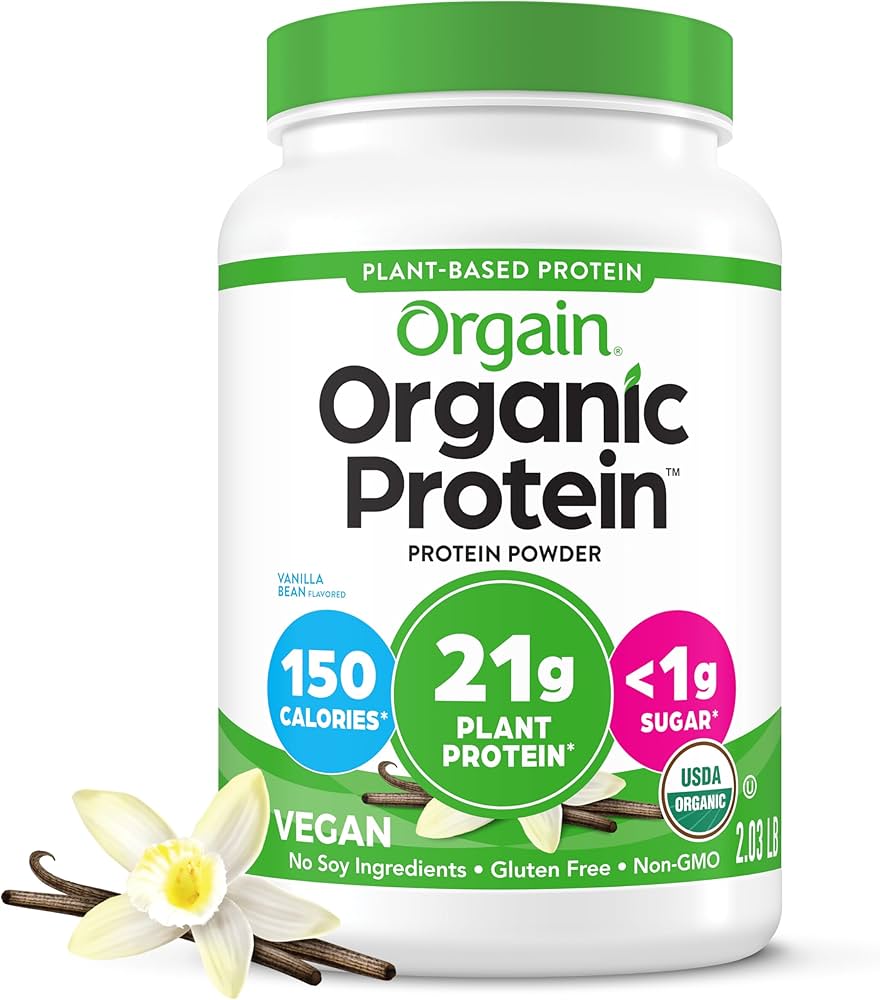
3. Orgain Organic Plant Based Protein Powder: (Protein per Serving: 21g, Primary Source: Pea, Brown Rice, Chia Seed, Key Features: Organic, Gluten-Free, Added Superfoods, Taste/Texture: Chocolate flavor is well-received, smooth texture, Price per Serving: $2.75). Orgain offers a variety of flavors and is widely available.
4. Vega Sport Premium Protein: (Protein per Serving: 30g, Primary Source: Pea Protein, Key Features: Designed for athletes, added BCAAs, Tart Cherry, Taste/Texture: Can be chalky if not mixed well, Price per Serving: $3.50). Vega Sport is geared towards those with higher protein needs and intense training regimens.
5. Naked Nutrition Vegan Protein: (Protein per Serving: 25g, Primary Source: Pea Protein, Key Features: Minimal ingredients, Unflavored, Gluten-Free, Taste/Texture: Very neutral, ideal for adding to smoothies, Price per Serving: $2.00). A great option for those who prefer to control the flavor themselves.
6. Nutiva Organic Hemp Protein: (Protein per Serving: 15g, Primary Source: Hemp Seed, Key Features: Organic, Gluten-Free, Rich in Omega-3s, Taste/Texture: Earthy, slightly nutty, Price per Serving: $2.25). A good choice for adding healthy fats and fiber to your diet.
7. NOW Sports Nutrition Pea Protein: (Protein per Serving: 24g, Primary Source: Pea Protein, Key Features: Unflavored, Gluten-Free, Affordable, Taste/Texture: Mildly earthy, easily mixes, Price per Serving: $1.50). An excellent budget-friendly option.
8. Truvani Plant Based Protein: (Protein per Serving: 20g, Primary Source: Organic Pea Protein, Key Features: Organic, Non-GMO, Gluten-Free, Added Digestive Enzymes, Taste/Texture: Smooth, subtle sweetness, Price per Serving: $2.80). Truvani focuses on clean ingredients and easy digestibility.
Featured Products

21g of plant-based protein per serving · 6g of prebiotic fiber · USDA Organic and Non-GMO
Orgain offers a smooth vanilla flavor with a good balance of protein and fiber, making it a versatile choice for everyday use.

Complete meal replacement with plant-based protein, greens, and probiotics · Raw, organic ingredients · Dairy-free and gluten-free
Garden of Life provides a comprehensive nutritional profile, ideal for those seeking a meal replacement shake that goes beyond just protein.

30g of vegan protein per serving · Contains probiotics for digestive support · NSF Certified for sport
Vega Protein + Recovery is a high-protein option with added probiotics, suitable for post-workout recovery and athletes.
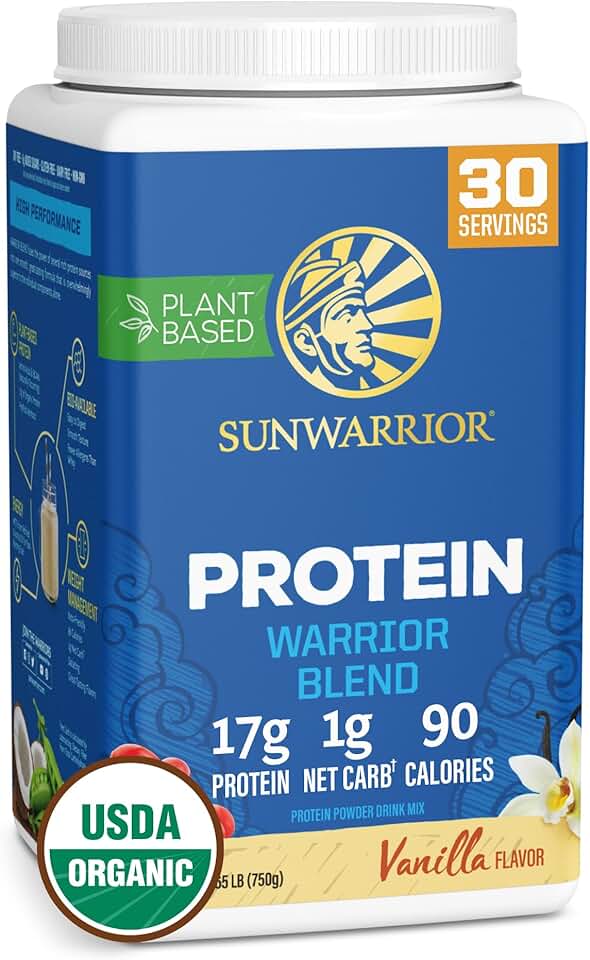
Organic plant-based protein blend including hemp seed · Rich in BCAAs (Branched-Chain Amino Acids) · Soy-free, dairy-free, gluten-free, and synthetic-free
Sunwarrior Warrior Blend is a clean, organic protein powder that emphasizes amino acid content for muscle support.
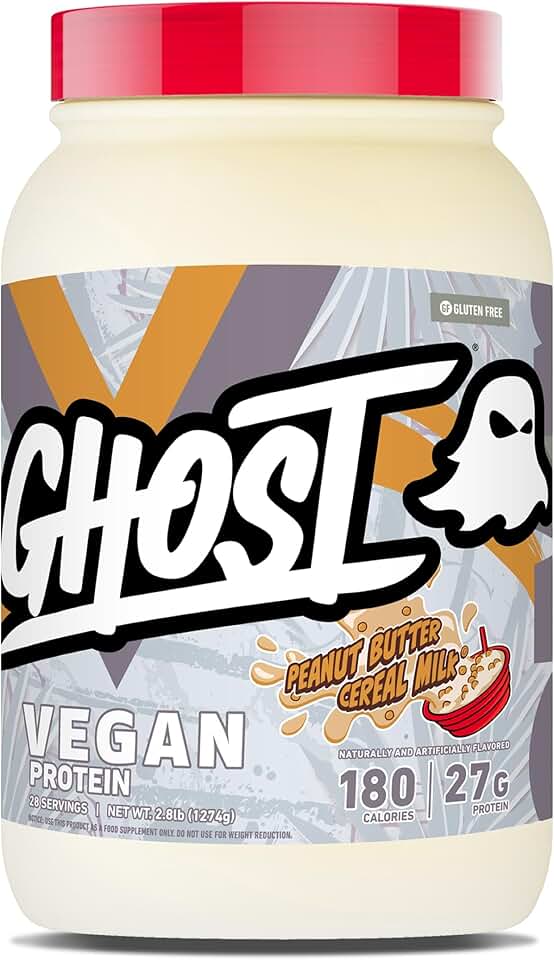
Unique Peanut Butter Cereal Milk flavor · Blend of pea and organic pumpkin protein · Contains fiber and iron
GHOST Vegan V2 offers an enjoyable flavor experience with a plant-based protein blend, appealing to those who prioritize taste alongside nutrition.
As an Amazon Associate I earn from qualifying purchases. Prices may vary.
Other ingredients to consider
Many vegan protein powders include added ingredients beyond just the protein source itself. Superfoods like maca, spirulina, and chlorella are often marketed for their purported health benefits, but the evidence supporting these claims is often limited. While they may offer some nutritional value, don’t expect them to be miracle ingredients.
Digestive enzymes can be incredibly helpful for improving protein absorption, especially for those with digestive issues. Look for powders containing enzymes like protease, amylase, and lipase. Probiotics are another addition aimed at gut health, though the strains and quantities included can vary significantly. It’s important to choose a powder with well-researched probiotic strains.
Sweeteners are a common addition to improve the taste of vegan protein powders. Stevia and monk fruit are natural, zero-calorie options, but some people dislike their aftertaste. Sugar alcohols like erythritol can cause digestive upset in some individuals. Artificial flavors and colors are best avoided, as they offer no nutritional value and may have potential health risks.
- Superfoods: Maca, spirulina, chlorella - limited evidence for benefits.
- Digestive enzymes: Protease, amylase, lipase - can improve absorption.
- Probiotics: Gut health support, choose well-researched strains.
- Sweeteners: Stevia, monk fruit, sugar alcohols - consider potential side effects.
- Artificial flavors/colors: Best avoided.
Taste and texture realities
Let’s be honest: getting the taste and texture right with vegan protein powder can be a challenge. Common issues include grittiness, an earthy or beany flavor, and a chalky consistency. It's not always a pleasant experience straight out of the container. I’ve personally found that some brands are much better than others in this regard.
To improve the taste, try blending the powder with fruit – berries, bananas, and mangoes work particularly well. Using flavored liquids like almond milk or coconut water can also help. Adding spices like cinnamon or nutmeg can mask unpleasant flavors. Don’t be afraid to experiment! I’ve even added a tablespoon of cocoa powder to some powders to create a chocolatey shake.
Taste is subjective, of course. What one person finds palatable, another may not. Don’t give up after trying just one brand. It may take some trial and error to find a powder that you genuinely enjoy. And remember, a little creativity can go a long way.
What's your biggest struggle with vegan protein powder?
Vote below and share the main challenge you face when choosing a plant-based protein powder.
Maximizing protein absorption
Bioavailability refers to the extent to which your body can absorb and utilize the protein you consume. It’s not enough to simply ingest protein; you need to be able to break it down and absorb the amino acids. The digestibility of the protein source plays a significant role – some sources are easier to digest than others.
The presence of digestive enzymes can also enhance absorption. As mentioned earlier, look for powders containing protease, amylase, and lipase. Gut health is another crucial factor. A healthy gut microbiome is essential for optimal nutrient absorption. Consuming probiotics and prebiotics can help support gut health.
To maximize absorption, consider taking your protein powder with digestive enzymes. Consuming it with a balanced meal, including healthy fats and carbohydrates, can also slow down digestion and improve absorption. And, of course, staying adequately hydrated is essential for overall nutrient absorption. Remember, I’m not a doctor, so these are general recommendations, not medical advice.
Notable protein powders
From the list above, a few powders stand out for specific reasons. OWYN Plant-Based Protein Powder is a great all-around option, particularly for those prioritizing taste and convenience. It's easy to mix, tastes good, and offers a solid nutritional profile.
For those on a budget, NOW Sports Nutrition Pea Protein is an excellent choice. It’s incredibly affordable without sacrificing quality. If you have sensitive digestion, Truvani Plant Based Protein is worth considering, thanks to its added digestive enzymes and clean ingredient list.
These aren’t necessarily better than the other powders on the list, just exceptional in specific areas. The best choice ultimately depends on your individual needs and preferences.
Orgain Organic Vegan Protein Powder, Vanilla Bean - 21g Plant Protein, 6g Prebiotic Fiber, No Lactose Ingredients, No Added Sugar, Non-GMO, For Shakes & Smoothies, 2.03 lb (Packaging May Vary) USDA Organic
- 21g of plant-based protein per serving
- 6g of prebiotic fiber per serving
- USDA Organic, Non-GMO, and Gluten-Free
- No added sugar, lactose, or soy ingredients
- Smooth vanilla bean flavor ideal for shakes and smoothies
Orgain Organic Vegan Protein Powder is a top-rated, readily available option that delivers a solid 21g of plant protein and 6g of prebiotic fiber, making it an excellent, trustworthy choice for those seeking comprehensive vegan nutrition.
View on Amazon →As an Amazon Associate I earn from qualifying purchases.
Future Trends in Plant-Based Protein
The plant-based protein market is constantly evolving. We’re likely to see the emergence of new protein sources in the coming years. Faba bean protein is gaining traction as a sustainable and nutritious alternative. Algae protein, while still relatively expensive, is a complete protein source with a low environmental impact.
Advancements in taste and texture are also on the horizon. Companies are investing in new technologies to improve the mouthfeel and reduce the earthy flavor of plant proteins. We may also see more personalized protein blends tailored to individual needs and genetic profiles.
Another trend is the increasing focus on sustainability. Consumers are becoming more aware of the environmental impact of their food choices, and they’re looking for brands that prioritize sustainable sourcing and production practices. Expect to see more protein powders made from upcycled ingredients and packaged in eco-friendly materials.
While it’s difficult to predict the future with certainty, one thing is clear: the plant-based protein market is poised for continued growth and innovation. The next few years will be an exciting time for both consumers and manufacturers.
No comments yet. Be the first to share your thoughts!