Why protein matters in vegan nutrition
Getting enough protein is often the first hurdle for people switching to a plant-based diet, but it is entirely manageable with the right approach. Protein provides the amino acids your body needs to build and repair muscle, produce enzymes, and support immune function. Without adequate intake, you risk losing muscle mass and feeling fatigued, regardless of how many vegetables you eat.
The idea that plant sources are "incomplete" or insufficient is a common myth. Most whole plant foods contain all the essential amino acids, though some may have lower levels of one or two. By eating a variety of foods—such as beans, lentils, tofu, quinoa, nuts, and seeds—you naturally cover your bases. This diversity is the cornerstone of healthy vegan nutrition.
Note: The NHS advises that vegans pay particular attention to protein, iron, calcium, and vitamin B12. While protein is abundant in many plant foods, ensuring you meet your daily requirements helps maintain muscle mass and overall health.
For those active in fitness or looking to build strength, protein needs may be higher than the average sedentary person. A simple rule often cited is the "30-30-30" approach: consume 30 grams of protein within 30 minutes of waking up. This could be a smoothie with pea protein, a tofu scramble, or chia pudding with hemp seeds. This habit helps stabilize blood sugar and kickstarts muscle recovery early in the day.
Choosing high-quality vegan protein powders can fill gaps in your diet, especially on busy days or after workouts. These supplements offer a convenient way to hit your targets without relying solely on whole foods. In the following sections, we review the best options available in 2026, focusing on purity, taste, and nutritional profile.
Top pea protein picks for muscle recovery
Pea protein is a powerhouse for vegan nutrition, offering a complete amino acid profile that rivals whey for muscle repair. Derived from yellow split peas, it is naturally hypoallergenic and easy on the stomach, making it an ideal post-workout choice for those with dairy sensitivities. The high leucine content in pea protein directly stimulates muscle protein synthesis, helping athletes recover faster after intense training sessions.
When selecting a pea protein powder, look for products that are minimally processed and free from artificial sweeteners. Many top brands combine pea protein with rice protein to create a complete amino acid spectrum, ensuring your body has all the building blocks it needs for tissue repair. This blend also improves the texture, reducing the chalkiness often associated with single-source plant proteins.
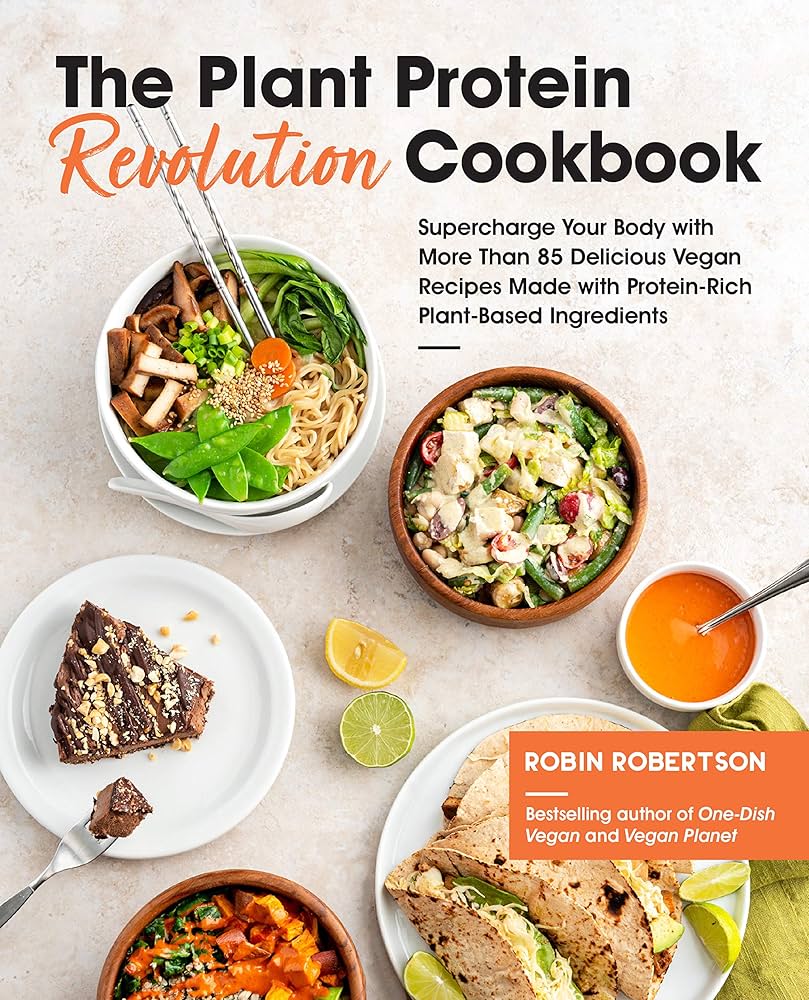
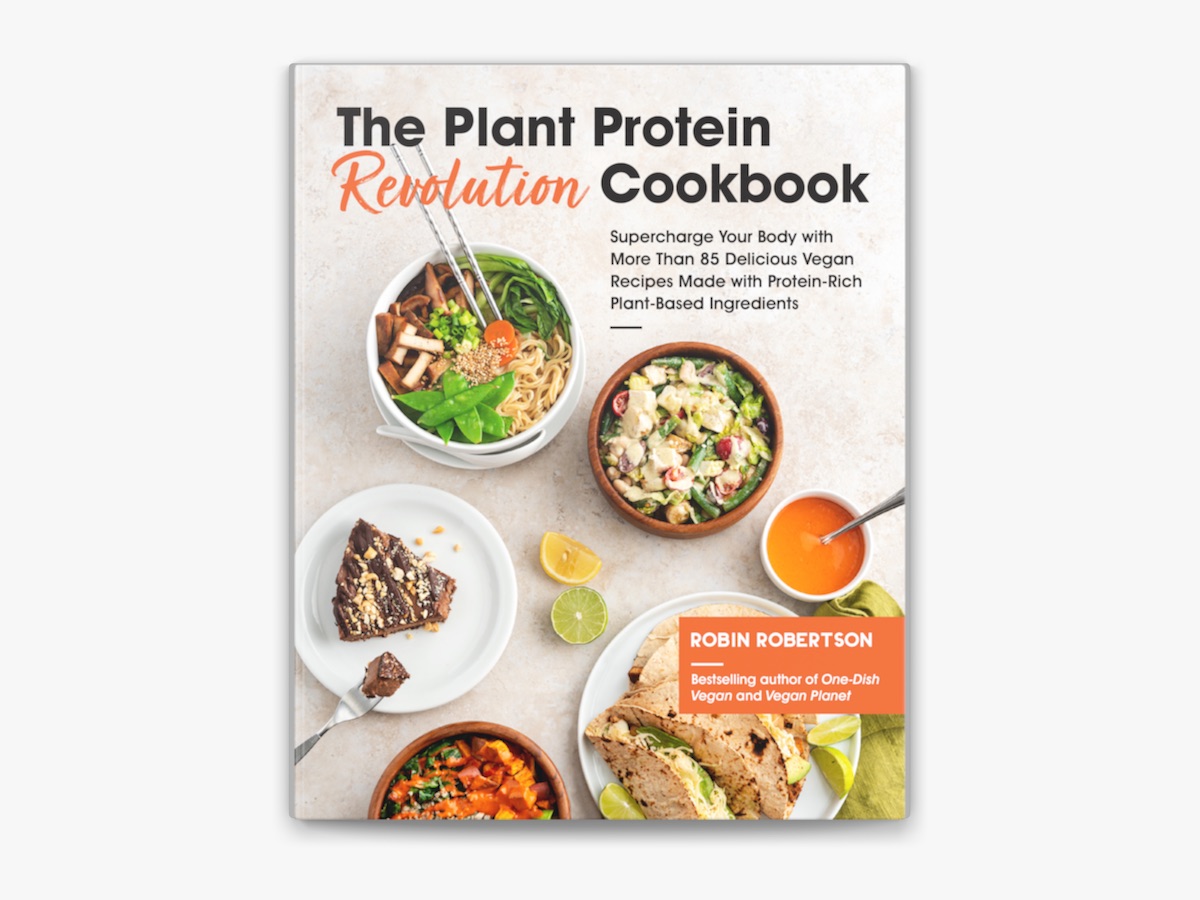
For those prioritizing clean ingredients, brands like The Vegan Protein Revolution offer formulas that focus on transparency and quality. Their products are often fortified with essential vitamins and minerals, supporting overall health while meeting high protein demands. Choosing a reputable brand ensures you are getting consistent quality and safety in every scoop.


As an Amazon Associate, we may earn from qualifying purchases.
Best hemp and rice blends for digestion
Hemp and rice blends offer a sustainable alternative for those seeking gentle digestion and steady energy. Hemp protein is rich in omega-3 fatty acids and fiber, which supports gut health, while rice protein provides a complementary amino acid profile. Together, they create a balanced source of plant-based nutrition that is easy to digest and less likely to cause bloating compared to heavier legume-based proteins.
When evaluating hemp and rice blends, consider the ratio of hemp to rice. A higher hemp content provides more healthy fats and micronutrients, while a higher rice content often results in a smoother texture and milder flavor. Look for brands that use cold-pressed hemp to preserve nutrient integrity and avoid high-heat processing that can degrade quality.
These blends are particularly suitable for individuals with sensitive stomachs or those looking to increase their fiber intake without compromising on protein goals. Incorporating them into smoothies, oatmeal, or baked goods can enhance the nutritional density of your meals while supporting digestive regularity.
Choosing the right vegan protein source
Selecting the best powder requires matching your dietary constraints with your fitness goals. Vegan nutrition relies on combining diverse plant sources to ensure a complete amino acid profile, so the source material matters as much as the protein count.
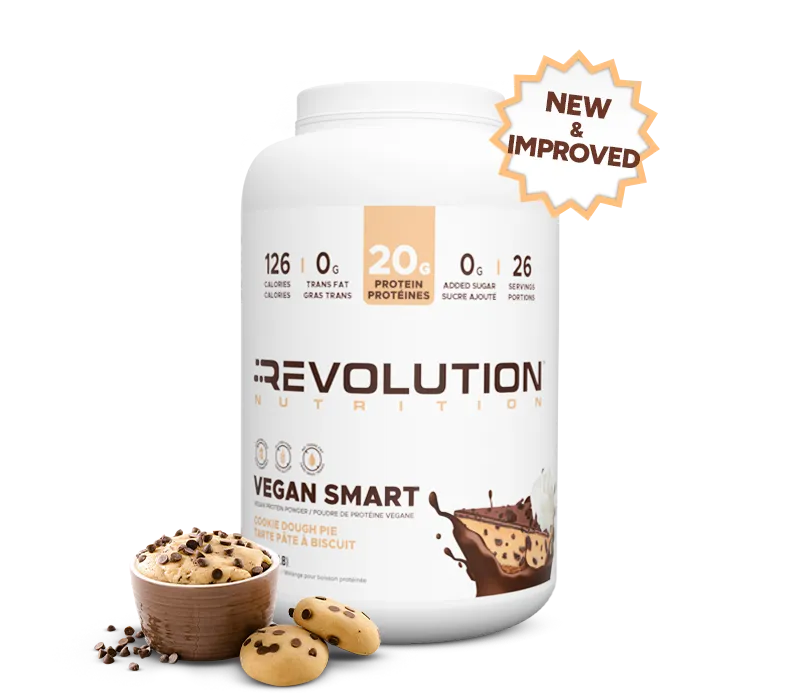
Look for blends that combine pea, rice, or hemp protein. These sources complement each other to provide all nine essential amino acids, which is critical for muscle repair and overall health.
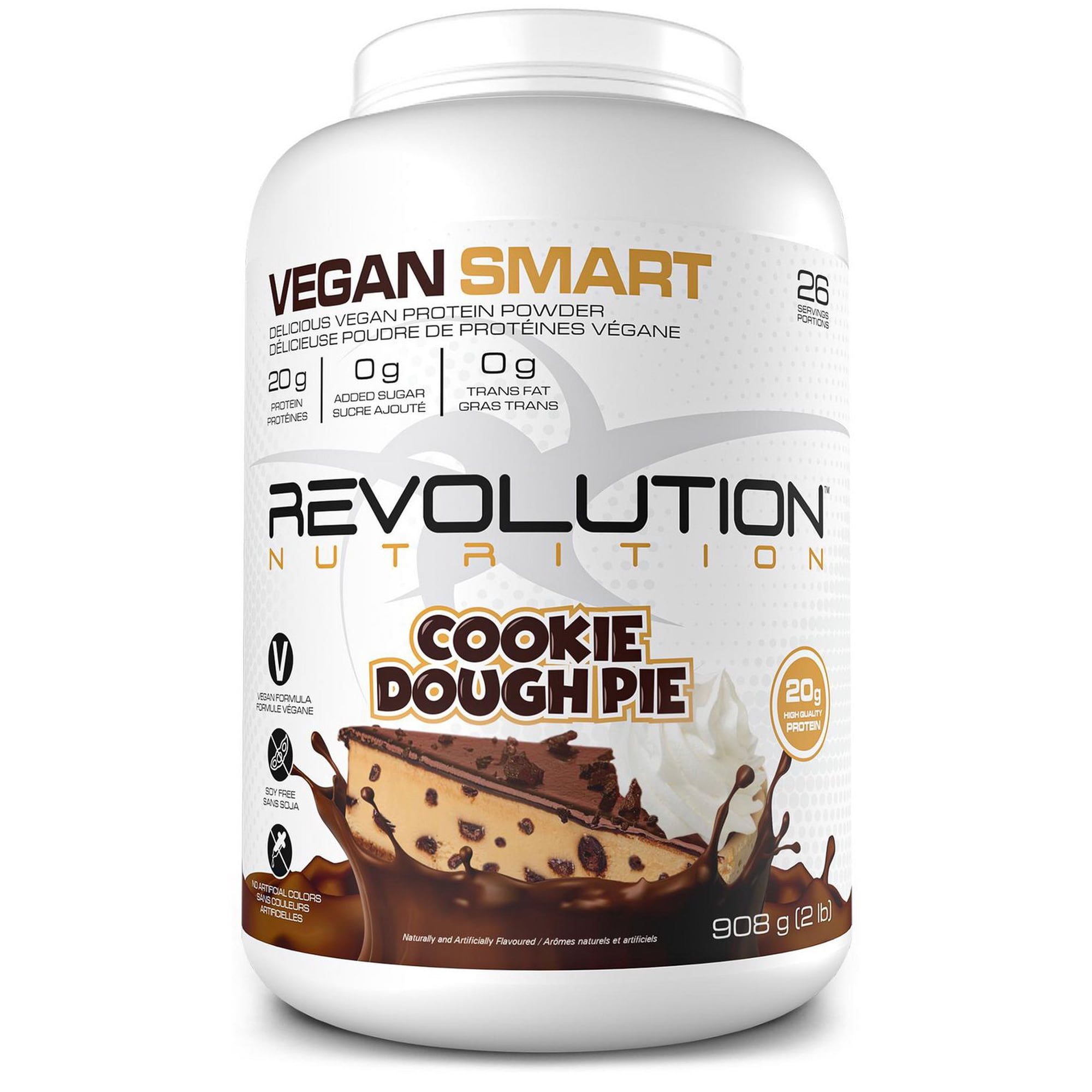
Many flavored powders contain excessive sugar or artificial sweeteners. Choose options sweetened with stevia or monk fruit, or opt for unflavored versions to control your daily sugar intake.
If you have sensitivities, carefully review the label for common allergens like soy, gluten, or tree nuts. Many brands now offer clean, single-source options like pea protein isolate for easier digestion.
Your choice should also reflect your taste preferences. Some powders have a distinct earthy flavor, while others are heavily flavored to mask the plant taste. Start with a smaller bag to test compatibility before committing to a large tub.
Frequently asked questions about vegan protein
What is the 30 30 30 rule for vegans?
The 30 30 30 rule is a metabolic strategy that involves eating 30 grams of protein within 30 minutes of waking up, followed by 30 minutes of low-intensity movement. For vegans, hitting that initial protein target often requires a planned breakfast, such as a smoothie made with pea protein, a tofu scramble, or chia pudding fortified with hemp seeds. This approach helps stabilize blood sugar and supports muscle maintenance throughout the day.
Do vegans have low creatinine levels?
Creatinine is a waste product from muscle metabolism, and lower levels are common in people who consume less meat. Some studies associate vegetarian and vegan diets with reductions in muscle mass and subsequent creatinine levels. While low creatinine can sometimes indicate liver issues or muscle loss, in the context of vegan protein supplementation, it often simply reflects the dietary source of nitrogen rather than a health deficit. Monitoring overall health markers is always recommended.
Is vegan protein as effective as whey for building muscle?
Research indicates that plant-based proteins can be just as effective as whey for building muscle when total daily protein intake is sufficient. The key is ensuring you are getting all nine essential amino acids, which may require combining different sources like rice and pea protein. Many modern vegan powders are blended to match the amino acid profile of whey, making them a viable option for strength training and recovery.
No comments yet. Be the first to share your thoughts!