

Vegan Meal Prep: Why Bother?
Sticking to a vegan lifestyle when life gets hectic can feel impossible. Between work, social commitments, and trying to find downtime, planning and preparing every meal often falls by the wayside. Many people find themselves grabbing whatever is quickest, which often isn't a plant-based option. This is where meal prep becomes essential.
Vegan meal prepping isn't about spending an entire Sunday in the kitchen, though that's an option for those who enjoy it. It's about dedicating a small amount of time upfront to set yourself up for success during the week. The benefits include saving time, money, and stress. More importantly, it increases the likelihood of consistently eating healthy, delicious vegan food.
Beyond convenience, meal prepping reduces food waste. Buying fresh produce with good intentions often leads to it wilting in the fridge. Prepping encourages using what is bought, leading to less waste. It also makes resisting non-vegan options easier when a healthy, ready-to-go meal is available.
Some may think meal prep sounds time-consuming and boring. It can be, if approached incorrectly. This guide focuses on simple recipes, efficient techniques, and ways to maintain interest. The goal is to create a system that works for you. Dedicating a few hours each week to prepping can significantly improve one's vegan journey.
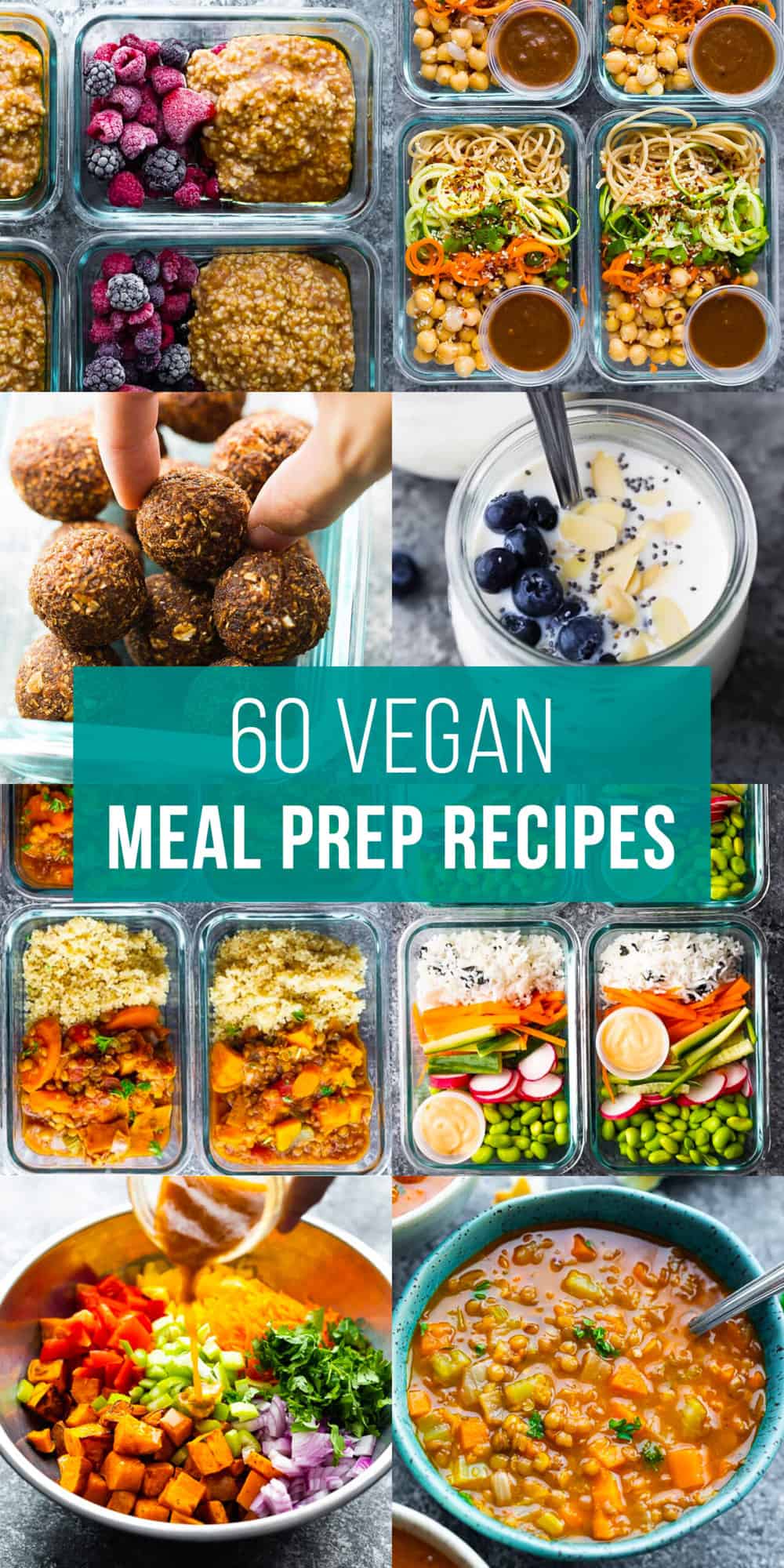
Essential Vegan Pantry Staples
Before starting the 7-day meal plan, ensure your pantry is well-stocked. Having the right staples makes vegan cooking easier and more efficient. Building up your pantry gradually is a worthwhile investment.
Pantry staples can be broken down into categories. For grains, include quinoa, brown rice, and rolled oats. Quinoa is a complete protein, rice is versatile, and oats are ideal for breakfast. Legumes are essential: canned beans (black beans, chickpeas, kidney beans) and dried lentils are good choices, packed with protein and fiber. Nuts and seeds like almonds, walnuts, chia seeds, and flax seeds add healthy fats and texture.
Good quality oils are important. Olive oil is suitable for everyday cooking, and avocado oil works for higher-heat applications. A well-stocked spice rack is essential, with staples like garlic powder, onion powder, cumin, chili powder, paprika, and turmeric. For sauces, soy sauce (or tamari for gluten-free), nutritional yeast (for a cheesy flavor), and hot sauce are recommended. Plant-based protein sources like firm or extra-firm tofu, tempeh, and seitan are excellent for adding protein to meals.
Brand preferences vary. For grains and seeds, Bob’s Red Mill is a common choice, and Simple Truth Organic for canned beans and lentils. Nasoya is a popular tofu brand, and Lightlife offers tempeh. Experiment to find preferred brands. Store grains and legumes in airtight containers for freshness. Nuts and seeds can go rancid quickly, so refrigerate or freeze them.
- Grains: Quinoa, Brown Rice, Rolled Oats
- Legumes: Black Beans, Chickpeas, Kidney Beans, Lentils
- Nuts & Seeds: Almonds, Walnuts, Chia Seeds, Flax Seeds
- Oils: Olive Oil, Avocado Oil
- Spices: Garlic Powder, Onion Powder, Cumin, Chili Powder, Paprika, Turmeric
- Sauces: Soy Sauce (Tamari), Nutritional Yeast, Hot Sauce
- Plant-Based Protein: Tofu, Tempeh, Seitan
7-Day Beginner Vegan Meal Plan
This 7-day meal plan is designed for beginners, focusing on simple, flavorful recipes that are easy to prepare. Each day includes breakfast, lunch, dinner, and 1-2 snacks, with approximate calorie counts and macronutrient breakdowns. These are estimates and will vary based on portion sizes and specific ingredients used. Links to recipes are provided where available; otherwise, brief summaries are included.
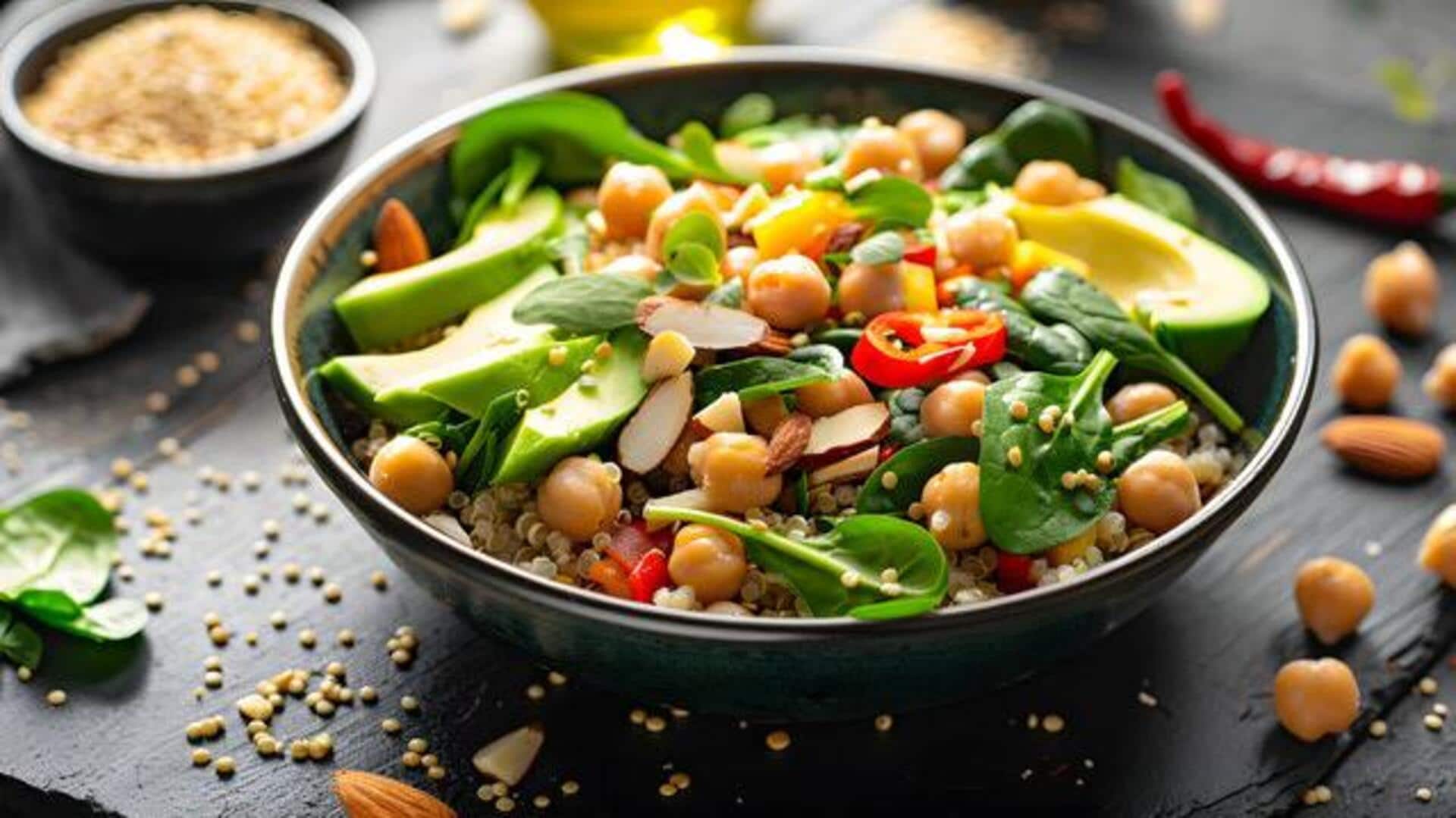
Day 1 (approx. 1800 calories): Breakfast: Oatmeal with berries and nuts (350 calories, 10g protein, 50g carbs, 15g fat). Lunch: Quinoa salad with chickpeas and vegetables (450 calories, 15g protein, 60g carbs, 15g fat). Dinner: Lentil soup with whole-wheat bread (500 calories, 20g protein, 70g carbs, 10g fat). Snacks: Apple with peanut butter (200 calories), Handful of almonds (100 calories).
Day 2 (approx. 1900 calories): Breakfast: Tofu scramble with spinach and whole-wheat toast (400 calories, 20g protein, 40g carbs, 20g fat). Lunch: Leftover lentil soup (500 calories). Dinner: Black bean burgers on whole-wheat buns with sweet potato fries (600 calories, 25g protein, 80g carbs, 20g fat). Snacks: Banana (100 calories), Rice cakes with avocado (200 calories).
Day 3 (approx. 1700 calories): Breakfast: Smoothie with plant-based protein powder, banana, and spinach (300 calories, 20g protein, 40g carbs, 5g fat). Lunch: Salad with grilled tempeh and a lemon-tahini dressing (400 calories, 25g protein, 30g carbs, 20g fat). Dinner: Vegan chili with cornbread (600 calories, 20g protein, 70g carbs, 20g fat). Snacks: Orange (80 calories), Trail mix (220 calories).
Day 4 (approx. 1850 calories): Breakfast: Whole-wheat pancakes with maple syrup and fruit (350 calories, 8g protein, 60g carbs, 10g fat). Lunch: Leftover vegan chili (600 calories). Dinner: Stir-fry with tofu and brown rice (500 calories, 20g protein, 60g carbs, 15g fat). Snacks: Pear (100 calories), Edamame (200 calories).
Day 5 (approx. 1950 calories): Breakfast: Chia seed pudding with berries (300 calories, 10g protein, 40g carbs, 15g fat). Lunch: Sandwich with hummus, avocado, and sprouts on whole-wheat bread (450 calories, 15g protein, 50g carbs, 20g fat). Dinner: Vegan shepherd’s pie (700 calories, 25g protein, 80g carbs, 20g fat). Snacks: Apple slices with almond butter (200 calories), Vegan yogurt (300 calories).
Day 6 (approx. 1750 calories): Breakfast: Tofu breakfast burrito (400 calories, 20g protein, 40g carbs, 20g fat). Lunch: Leftover vegan shepherd’s pie (600 calories). Dinner: Pasta with marinara sauce and vegan meatballs (500 calories, 20g protein, 70g carbs, 15g fat). Snacks: Grapes (100 calories), Popcorn (150 calories).
Day 7 (approx. 1800 calories): Breakfast: Oatmeal with fruit and seeds (300 calories, 10g protein, 50g carbs, 10g fat). Lunch: Large salad with mixed greens, beans, and a vinaigrette (400 calories, 15g protein, 40g carbs, 15g fat). Dinner: Pizza with vegan cheese and vegetables (600 calories, 20g protein, 60g carbs, 25g fat). Snacks: Carrots and hummus (200 calories), Handful of walnuts (300 calories).
Scaling recipes is simple. Most recipes can be doubled or tripled without much adjustment. Just increase the ingredient quantities proportionally. Don't be afraid to swap out ingredients based on your preferences or dietary needs. If you’re allergic to nuts, for example, use sunflower seeds instead. If you don’t like lentils, use black beans.
7-Day Beginner Vegan Meal Plan (Estimated Values - 2026)
| Day | Breakfast | Lunch | Dinner | Snack 1 | Snack 2 | Total Calories (approx.) | Protein (g) (approx.) | Carbs (g) (approx.) | Fat (g) (approx.) |
|---|---|---|---|---|---|---|---|---|---|
| Monday | Oatmeal with Berries & Seeds | Lentil Soup with Whole-Wheat Bread | Tofu Stir-fry with Brown Rice | Apple slices with Almond Butter | Small handful of Walnuts | 1800-2000 | 60-70 | 200-250 | 60-70 |
| Tuesday | Tofu Scramble with Spinach | Quinoa Salad with Chickpeas & Veggies | Black Bean Burgers on Whole-Wheat Buns | Orange | Rice Cakes with Avocado | 1900-2100 | 65-75 | 220-270 | 65-75 |
| Wednesday | Smoothie (Banana, Spinach, Plant Milk, Protein Powder) | Leftover Black Bean Burgers & Salad | Vegan Chili with Cornbread | Pear | Edamame | 1700-1900 | 55-65 | 180-230 | 50-60 |
| Thursday | Whole-Wheat Toast with Avocado & Everything Bagel Seasoning | Large Salad with Tempeh & Balsamic Vinaigrette | Pasta with Marinara Sauce & Lentil 'Meatballs' | Banana | Trail Mix (nuts, seeds, dried fruit) | 1900-2100 | 60-70 | 230-280 | 60-70 |
| Friday | Vegan Yogurt with Granola & Fruit | Leftover Pasta & Salad | Vegan Pizza on Whole-Wheat Crust | Carrot Sticks with Hummus | Small Vegan Cookie | 2000-2200 | 65-75 | 250-300 | 70-80 |
| Saturday | Pancakes (Vegan Recipe) with Maple Syrup & Fruit | Sandwich on Whole-Wheat Bread with Hummus, Veggies & Sprouts | Vegetable Curry with Brown Rice | Grapes | Popcorn (air-popped) | 1850-2050 | 55-65 | 190-240 | 55-65 |
| Sunday | Breakfast Burrito (Tofu, Black Beans, Salsa, Avocado) | Leftover Vegetable Curry | Roasted Vegetables with Quinoa | Apple | Vegan Protein Bar | 1950-2150 | 60-70 | 210-260 | 65-75 |
Illustrative comparison based on the article research brief. Verify current pricing, limits, and product details in the official docs before relying on it.
Prep Day Breakdown: Streamlining Your Week
The biggest hurdle to meal prepping is often the perceived time commitment. With planning and efficiency, tasks can be completed in a reasonable amount of time. Sunday is a popular choice for prep day, but any day that works with your schedule is suitable. Aim for 2-3 hours to prepare for the week.
A suggested breakdown for prep day: Wash and chop all vegetables (30 minutes). Cook grains: quinoa, rice, lentils (45 minutes). Prepare protein sources: marinate tofu or tempeh, or bake vegan meatballs (30 minutes). Make sauces or dressings (30 minutes). Portion out snacks into individual containers (15 minutes).
Tips for efficient prepping include using a food processor to quickly chop vegetables and multitasking by cooking grains and roasting vegetables simultaneously. Invest in good quality containers for easy storage. Enlisting help from family or friends can also be beneficial. Listening to music or a podcast can make the time pass more quickly.
Recipe Standouts: Beyond the Basics
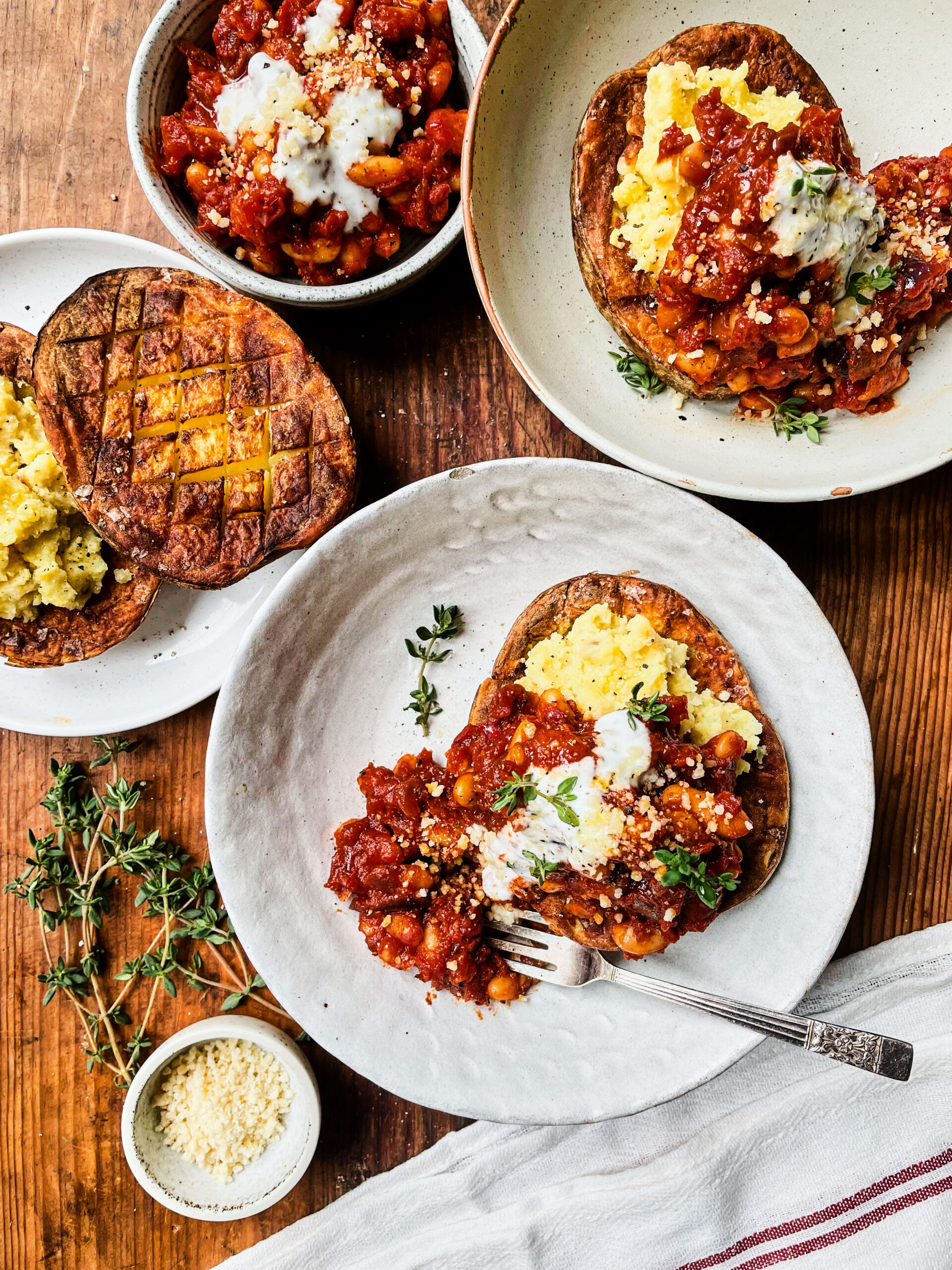
From the 7-day plan, the Vegan Chili stands out for its versatility and ease. It is hearty, flavorful, and freezes well. Customization with different beans, vegetables, and spices is possible. Adding a tablespoon of cocoa powder can enhance its richness. Serve with cornbread or vegan sour cream.
The Tofu Scramble is a protein-packed breakfast option. Crumble firm tofu and sauté it with preferred vegetables (spinach, onions, peppers) and spices (turmeric, garlic powder, black salt for an eggy flavor). Serve with whole-wheat toast and avocado for a satisfying meal.
The Lentil Soup is a simple, comforting meal suitable for a chilly evening. Sauté onions, carrots, and celery, then add lentils, vegetable broth, and spices. Simmer until lentils are tender. This soup is forgiving; add any available vegetables. A squeeze of lemon juice before serving enhances the flavor.
Storage Solutions: Keeping It Fresh
Proper storage is essential for keeping prepped meals fresh and safe. Glass containers are non-toxic, don’t absorb odors, and are easy to clean, but can be heavy and breakable. Plastic containers are lightweight and affordable but can stain and absorb odors; choose BPA-free options. Stainless steel containers are durable and sustainable but more expensive.
Prepped meals generally last in the
A common question is whether you can freeze cooked grains. Yes, you can! Cooked rice and quinoa freeze well, but they may become slightly mushy when thawed. To minimize this, spread the grains out on a baking sheet to cool completely before freezing. You can also freeze sauces and soups in ice cube trays for easy portioning.
Troubleshooting: When Meal Prep Goes Wrong
Let's be real: meal prepping isn’t always smooth sailing. Sometimes, meals get boring. Sometimes, you run out of time. Sometimes, ingredients spoil. And sometimes, you just lose motivation. It’s okay! It happens to everyone. The key is to have a plan for dealing with these challenges.
If your meals are getting boring, try rotating recipes more frequently. Experiment with different flavors and cuisines. Add some variety to your snacks. If you’re running out of time, simplify your recipes. Focus on preparing just a few key components, like cooking grains and chopping vegetables, and then assemble meals throughout the week. If ingredients are spoiling, buy less produce or freeze leftovers.
And if you’re losing motivation, find a meal prep buddy! Having someone to share the experience with can make it more enjoyable and keep you accountable. I once completely abandoned a week of meal prep because I felt overwhelmed. I learned to scale back and focus on just a few meals at a time. Remember, it’s okay to adjust the plan as needed. It's about finding a sustainable routine that works for you.
Adapting the Plan: Your Vegan Journey
This 7-day meal plan is a starting point, not a rigid set of rules. Feel free to personalize it to your own needs and preferences. If you have dietary restrictions, such as gluten intolerance or a soy allergy, make appropriate substitutions. For example, use gluten-free bread or tamari instead of soy sauce. If you're nut-free, replace nuts with seeds.
Don’t be afraid to incorporate seasonal produce. In the summer, take advantage of fresh berries, tomatoes, and zucchini. In the fall, enjoy squash, apples, and pumpkins. And remember to listen to your body. If you’re feeling hungry, add an extra snack. If you’re not enjoying a particular meal, swap it out for something else.
Meal prepping is a tool to help you achieve your health and wellness goals. It’s not meant to be a source of stress or restriction. The most important thing is to find a system that works for you and allows you to enjoy delicious, plant-based meals. Your vegan journey is unique, so embrace it and make it your own. Don't be afraid to experiment and discover new favorite recipes along the way.
No comments yet. Be the first to share your thoughts!