
Plant-Powered Gains: Why Vegan Protein Powder Matters
For a long time, the idea of a thriving athlete on a plant-based diet was met with skepticism. Concerns about getting "enough’ protein, and whether that protein was ‘complete’ enough, were common. That"s changing, and quickly. But even with a well-planned vegan diet, there are times when a protein supplement can be incredibly beneficial, especially for those with higher protein needs.
It’s easy to hit the Recommended Dietary Allowance (RDA) for protein – 0.8 grams per kilogram of body weight – on a vegan diet. It's when you’re pushing your body with intense training that things get trickier. Athletes, especially those involved in strength training, often require between 1.6 to 2.2 grams of protein per kilogram of body weight. That’s a significant jump, and meeting that solely through whole foods can be challenging.
The idea of "complete’ proteins – those containing all nine essential amino acids – is often overblown. While some plant proteins are lower in certain amino acids, combining different sources throughout the day easily addresses this. However, protein powder provides a convenient and efficient way to ensure you"re hitting your targets, particularly post-workout when quick absorption is key. It's about optimizing recovery and preventing muscle breakdown.
I switched to a fully plant-based diet five years ago, and initially struggled to maintain muscle mass while training for a marathon. Adding a vegan protein powder to my routine, particularly after long runs, made a noticeable difference. It wasn’t a magic bullet, but it helped me recover faster and stay on track. It’s not about needing it, it’s about giving yourself every advantage.
What people think plant-based protein is:
— Sama Hoole (@SamaHoole) October 6, 2025
- Complete nutrition
- Sustainable alternative
- Just as good as meat
- Better for you
- Saves animals
What plant-based protein actually is:
- Incomplete amino acids
- Industrial soy waste
- Loaded with seed oils
- Still requires…
Decoding the Labels: Protein Sources & What to Look For
The vegan protein powder market is flooded with options, and understanding the different sources is the first step to choosing the right one. Here’s a breakdown of the most common contenders: pea protein, brown rice protein, soy protein, hemp protein, pumpkin seed protein, and blends.
Pea protein is a popular choice due to its high protein content and relatively neutral taste. It’s a good source of iron and arginine. Brown rice protein is another common option, often used in blends to create a more complete amino acid profile. However, it's generally lower in lysine compared to other sources. Soy protein is a complete protein offering a high biological value, but some individuals avoid it due to allergy concerns or hormonal effects.
Hemp protein provides a good source of omega-3 and omega-6 fatty acids, as well as fiber, but has a lower protein concentration per serving than pea or soy. Pumpkin seed protein is a newer addition to the market, offering a good source of magnesium and zinc, but it can have a slightly earthy taste. Blends, combining multiple protein sources, are often designed to provide a more complete amino acid profile and improved digestibility.
When evaluating a protein powder, don’t just look at the total protein content. Pay attention to the amino acid profile, especially the levels of branched-chain amino acids (BCAAs) – leucine, isoleucine, and valine – which are crucial for muscle protein synthesis. I also prioritize digestibility; some proteins can cause bloating or digestive discomfort. I'm not a fan of powders packed with artificial sweeteners, gums, or fillers. Read the ingredient list carefully.
- Pea Protein: High protein, good iron source.
- Brown Rice Protein: Often used in blends, lower in lysine.
- Soy Protein: Complete protein, potential allergy concerns.
- Hemp Protein: Good fats and fiber, lower protein concentration.
- Pumpkin Seed Protein: Magnesium and zinc, earthy taste.
- Blends: Designed for complete amino acid profiles.
Vegan Protein Source Comparison (2026)
| Protein Source | Amino Acid Profile | Digestibility | Allergen Potential | Taste/Texture | Cost |
|---|---|---|---|---|---|
| Pea Protein | Good | Good | Okay | Okay | Okay |
| Rice Protein | Okay | Good | Poor | Poor | Okay |
| Soy Protein | Good | Good | Okay | Okay | Okay |
| Hemp Protein | Okay | Okay | Good | Okay | Okay |
| Pumpkin Seed Protein | Okay | Okay | Good | Poor | Okay |
Illustrative comparison based on the article research brief. Verify current pricing, limits, and product details in the official docs before relying on it.
The Contenders: 8 Top Vegan Protein Powders of 2026
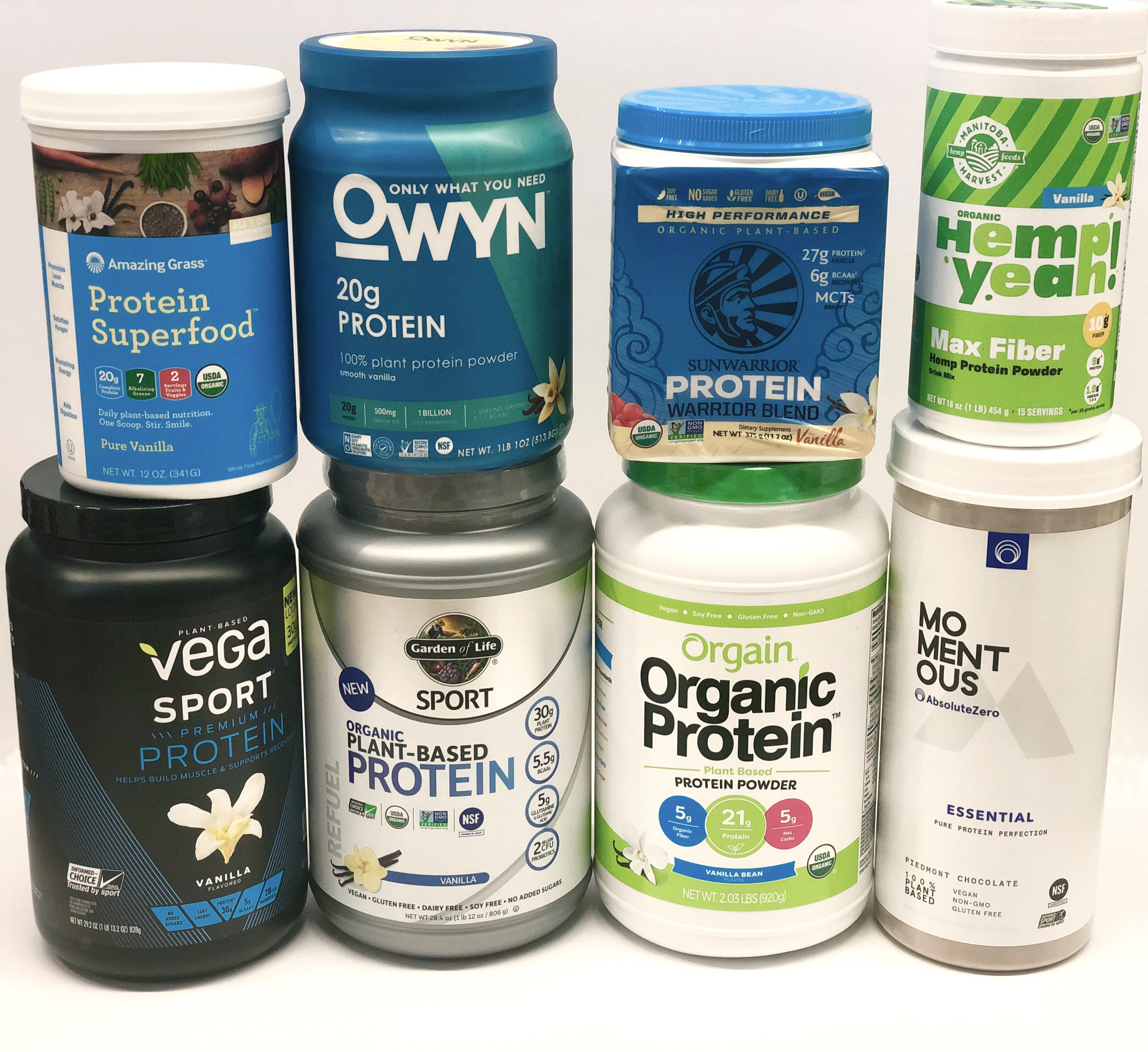
Alright, let’s get down to business. Here are eight vegan protein powders that stand out in 2026, based on my testing and research. Prices are approximate and can vary depending on retailer and size.
1. OWYN Plant-Based Protein (Pea/Brown Rice Blend): $29.99 for 20 servings. OWYN consistently ranks high for taste and mixability. It's a complete protein source and relatively low in sugar. Pros: Excellent taste, good mixability, allergen-friendly. Cons: Can be slightly expensive.
2. Garden of Life Raw Organic Protein (Sprouted Blend): $34.99 for 20 servings. This is a certified organic option with a blend of sprouted grains, seeds, and legumes. Pros: Organic, good source of fiber. Cons: Gritty texture, earthy taste.
3. Vega Sport Premium Protein (Pea Protein): $44.99 for 25 servings. Designed for athletes, this powder includes BCAAs and tart cherry to aid recovery. Pros: Enhanced recovery, good amino acid profile. Cons: Higher price point.
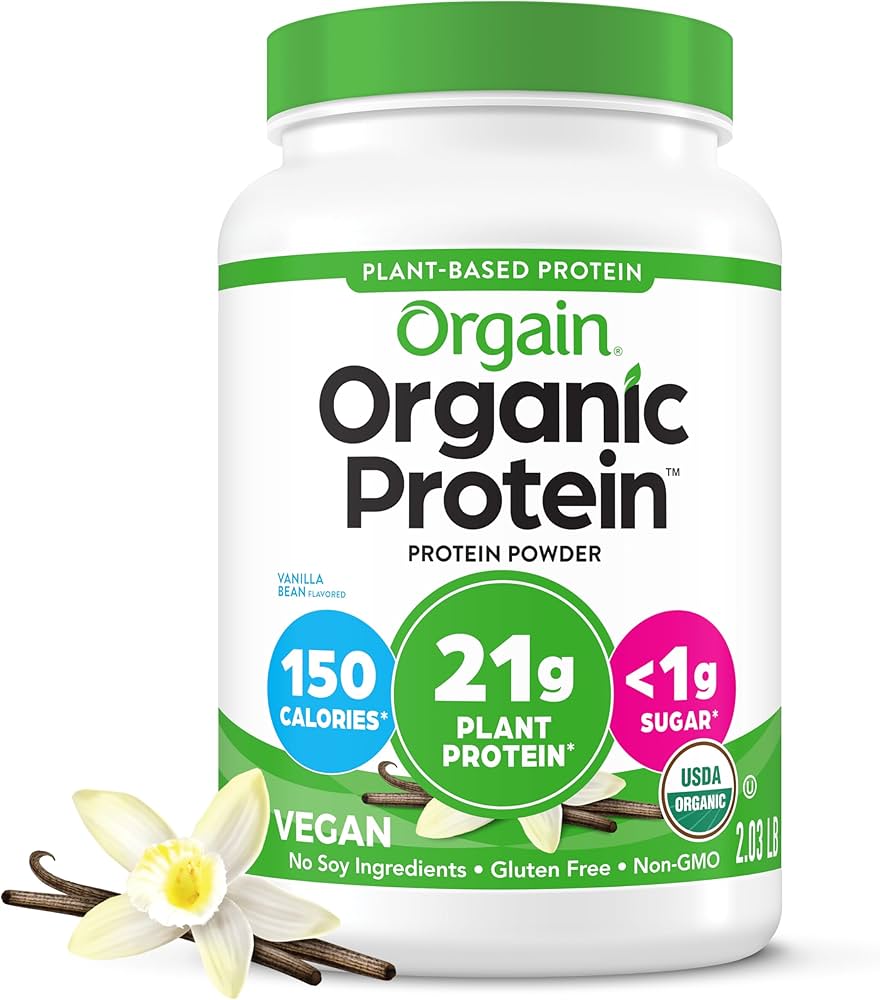
4. Orgain Organic Vegan Protein Powder (Pea/Brown Rice Blend): $27.99 for 20 servings. A widely available and affordable option with a decent taste. Pros: Affordable, readily available. Cons: Can be slightly sweet.
5. NAKED Pea Protein (Pea Protein): $24.99 for 25 servings. A simple, unflavored option for those who prefer to customize their shakes. Pros: Minimal ingredients, versatile. Cons: Requires flavoring.
6. Sunwarrior Warrior Blend (Pea/Hemp/Goji Berry): $39.99 for 20 servings. A blend offering a unique flavor profile and a good source of antioxidants. Pros: Unique flavor, antioxidant-rich. Cons: Can be too sweet for some.
7. Transparent Labs Organic Vegan Protein Powder (Pea/Pumpkin Seed/Sunflower Seed): $59.99 for 20 servings. A premium option focusing on ingredient quality and transparency. Pros: High-quality ingredients, transparent labeling. Cons: Very expensive.
8. Epicure Protein Powder (Pea Protein): Price varies, available through distributors. This powder boasts digestive enzymes and probiotics, and is heat stable, making it suitable for baking. Pros: Added digestive support, heat stable. Cons: Distribution can be limited.
Taste Test & Mixability: What Do They *Actually* Taste Like?
Let's be honest, taste is subjective, but I've put these powders through the wringer. Some were surprisingly palatable, while others…not so much. Mixability is also crucial; nobody wants a lumpy shake.
OWYN consistently delivers a smooth, creamy texture and a pleasant vanilla flavor. It mixes effortlessly with water or plant-based milk. Garden of Life, however, is noticeably gritty, even with a blender. The earthy taste is also a bit off-putting, even when blended with fruit. Vega Sport is palatable, though slightly artificial tasting, and mixes well.
Orgain is quite sweet, almost candy-like, which some people enjoy. NAKED Pea Protein, as expected, is flavorless and requires some creativity to make enjoyable – I recommend adding cocoa powder and a banana. Sunwarrior has a distinct berry flavor that’s a bit overpowering for me, but others might appreciate it. Transparent Labs is surprisingly good, with a subtle vanilla flavor and excellent mixability. Epicure has a milder flavor, easily masked by other ingredients.
I tested each powder with water, almond milk, and in a simple smoothie (banana, spinach, and berries) to get a comprehensive feel for their versatility. The standouts for taste and mixability are OWYN and Transparent Labs, while Garden of Life is the most challenging.
Beyond the Powder: Maximizing Protein Absorption & Timing
Simply consuming protein isn’t enough; you need to optimize absorption and timing for maximum benefit. The timing of your protein intake can significantly impact muscle protein synthesis and recovery.
Consuming protein within 30-60 minutes after a workout is generally recommended to replenish muscle glycogen stores and kickstart the repair process. This is where a quickly digestible protein powder is particularly useful. However, spreading your protein intake throughout the day is also important. Aim for 20-30 grams of protein per meal.
Combining protein with carbohydrates and healthy fats can enhance absorption. Carbohydrates stimulate insulin release, which helps transport amino acids to muscle cells. Healthy fats contribute to overall nutrient absorption and hormone production. I’ve found that adding a tablespoon of nut butter or a handful of berries to my post-workout shake makes a noticeable difference.
The idea of protein saturation – the point at which your body can’t utilize any more protein – is a valid one. While individual needs vary, consuming excessive amounts of protein (over 2.2 grams per kilogram of body weight) doesn’t necessarily lead to greater muscle growth and may put a strain on your kidneys. I worked with a sports nutritionist who helped me dial in my protein intake based on my training volume and body composition.
Price Breakdown & Value: Getting the Most for Your Money
Let’s face it, budget matters. Vegan protein powders range significantly in price, so it's essential to consider the cost per serving and the overall value.
Based on the prices listed previously, NAKED Pea Protein offers the lowest cost per serving at around $1.00 per serving. Orgain is close behind at approximately $1.40 per serving. OWYN and Vega Sport are in the middle range, at around $1.50-$2.20 per serving. Transparent Labs is the most expensive, at around $3.00 per serving.
However, price per serving isn't the whole story. You also need to consider the protein content per serving. Transparent Labs, while expensive, provides a higher concentration of protein per serving than some of the cheaper options. Ingredient quality also plays a role. Organic and third-party tested powders often come with a higher price tag, but offer peace of mind.
I recommend comparing the cost per gram of protein. Also, be mindful of shipping costs and subscription requirements, which can add to the overall expense. OWYN frequently runs promotions, so it’s worth checking their website for deals. Ultimately, the best value depends on your individual needs and budget.
Cost Comparison of Popular Vegan Protein Powders (2026)
| Protein Powder | Protein per Serving | Serving Size | Approximate Cost Per Serving | Retailer Link |
|---|---|---|---|---|
| OWYN Plant-Based Protein Powder (Vanilla) | 20g | 30g | Approximately $2.50 - $3.00 | https://www.liveowyn.com/ |
| Garden of Life Raw Organic Protein | 22g | 30g | Approximately $3.00 - $3.50 | https://www.gardenoflife.com/ |
| Vega Sport Premium Protein | 30g | 35g | Approximately $2.80 - $3.30 | https://www.vegafood.com/ |
| Sunwarrior Warrior Blend | 25g | 33g | Approximately $2.20 - $2.70 | https://sunwarrior.com/ |
| Orgain Organic Vegan Protein Powder | 21g | 30g | Approximately $2.00 - $2.50 | https://www.orgain.com/ |
| Nutrabolt C4 Plant-Based Protein | 24g | 30g | Approximately $2.30 - $2.80 | https://www.nutrabolt.com/ |
| Naked Nutrition Vegan Protein | 25g | 30g | Approximately $2.70 - $3.20 | https://nakednutrition.com/ |
| Sprout Living Epic Protein | 20g | 30g | Approximately $3.20 - $3.70 | https://sproutliving.com/ |
Illustrative comparison based on the article research brief. Verify current pricing, limits, and product details in the official docs before relying on it.
Community Buzz: What Vegan Athletes Are Saying
I’ve spent time digging through online forums and social media to gauge what other vegan athletes are saying about these powders. The consensus is surprisingly consistent.
On Reddit, OWYN consistently receives positive reviews for its taste and mixability. Many users also appreciate its allergen-friendly formula. Vega Sport is popular among those focused on high-intensity training, with several users reporting improved recovery. Garden of Life receives mixed reviews, with some praising its organic ingredients and others complaining about the gritty texture.
Instagram is filled with photos of athletes using various vegan protein powders in their smoothies and post-workout shakes. There’s a strong preference for powders that don’t cause digestive issues. Several users have mentioned Epicure Protein Powder and praised its heat stability for baking. Transparent Labs is often touted for its high-quality ingredients, but its price point is a common concern.
A recurring theme across all platforms is the importance of finding a powder that you enjoy. Taste is subjective, and what works for one person may not work for another. It’s worth trying a few different options to find your perfect fit.
Future Trends in Plant-Based Protein
The vegan protein market is constantly evolving, and several exciting trends are on the horizon. We’re likely to see more innovation in protein sources and extraction technologies.
Algae protein is gaining traction as a sustainable and nutrient-rich option. It’s a complete protein source with a high bioavailability. Fungi-based protein, derived from mycelium, is another emerging trend. Mycelium is a sustainable and scalable protein source with a neutral flavor.
Advancements in protein extraction and processing technologies are also improving the taste and texture of plant-based proteins. Expect to see powders with smoother textures and more palatable flavors. We might also see more personalized protein blends tailored to individual needs.
The demand for vegan protein is only going to increase as more people adopt plant-based diets. This will drive further innovation and competition, leading to even better products at more affordable prices. It’s an exciting time to be a vegan athlete.
No comments yet. Be the first to share your thoughts!