

Moving past soy and pea protein
Soy and pea protein have dominated the market for a decade because they're cheap and easy to process. But the texture often misses the mark. We're finally seeing a shift toward ingredients that actually taste good rather than just checking a nutritional box.
This isn't just about palate fatigue, though. Sustainability is a major driver. While soy and pea protein are certainly better for the environment than animal agriculture, they aren’t without their impacts. Concerns about monoculture farming, water usage, and transportation are fueling a search for even more efficient and eco-friendly protein sources. 2026 is shaping up to be a pivotal year, with a wave of innovative proteins poised to hit shelves.
Food tech is moving past basic meat mimicry. The goal now is to create proteins that stand on their own merits for flavor and nutrition, rather than just being 'good enough' for a vegan substitute.
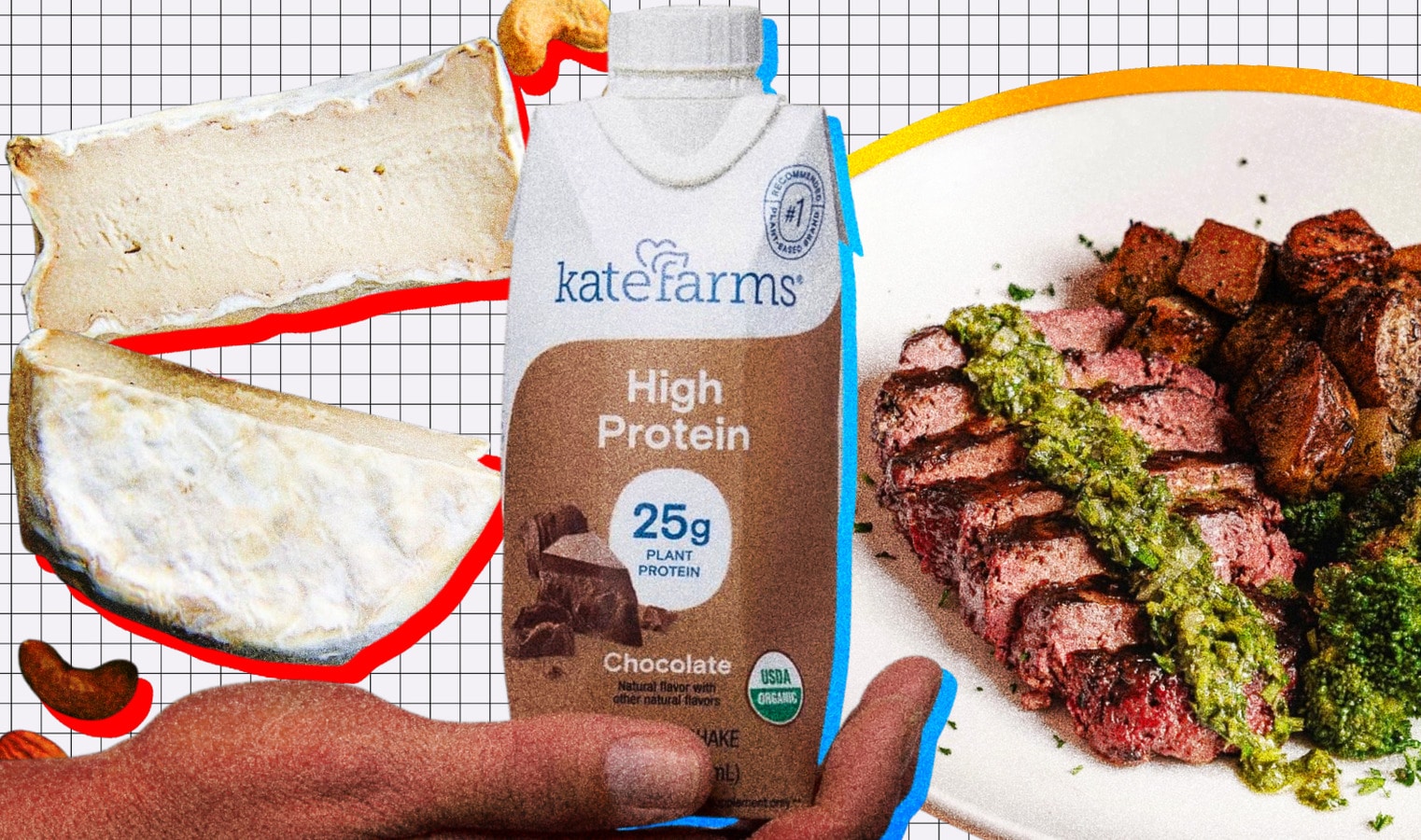
14 proteins to watch in 2026
The next few years will bring a surge of new protein options. Here’s a look at 15 sources that are generating buzz and expected to become more widely available by 2026. This isn’t an exhaustive list, but it represents a significant shift in the vegan protein market.
Mylo Protein (Nature’s Fynd): Derived from a unique fungus, Fusarium strain flavolapis, discovered in Yellowstone National Park, Mylo is a complete protein with a neutral flavor. It’s produced through a fermentation process using minimal land and water. Currently used in cream cheese and yogurt alternatives, expect to see it expand into protein powders and meat substitutes.
Air Protein: This company is literally making protein from air. They combine elements like carbon dioxide, oxygen, and water with a proprietary microorganism via a fermentation process. The result is a nutrient-rich protein powder with a slightly savory taste. Air Protein boasts an incredibly low land and water footprint.
Cultivated Chicken (Upside Foods & GOOD Meat): While still awaiting wider regulatory approval, lab-grown chicken is making progress. Upside Foods and GOOD Meat are leading the charge, cultivating chicken cells to create real meat without the need for raising and slaughtering birds. Initial taste tests have been promising.
Precision Fermentation Whey (Perfect Day): Perfect Day isn’t creating a plant-based protein, but rather animal-free whey protein made through precision fermentation. They insert the DNA for whey protein into microorganisms, which then produce the protein without any animals. It's already being used in vegan ice cream and cheese.
Faba Bean Protein (Equa Foods): Faba beans (also known as broad beans) are a legume with a high protein content. Equa Foods is focusing on developing faba bean protein isolates and concentrates for use in various applications, including meat alternatives and protein bars. They require less water and fertilizer than many other crops.
Sunflower Seed Protein: Often overlooked, sunflower seeds are a surprisingly good source of protein. Several companies are now developing sunflower seed protein concentrates and isolates, offering a hypoallergenic and sustainable option. It has a slightly nutty flavor.
Water Lentil Protein (Parabel): Water lentils, also known as duckweed, are the fastest-growing plant on Earth. Parabel is harnessing their rapid growth and high protein content to create a sustainable protein source. It’s currently used in a range of products, including smoothies and protein shakes.
Chlorella Protein: This single-celled algae is packed with protein, vitamins, and minerals. It’s often sold as a supplement, but companies are now exploring its potential as a food ingredient. It has a slightly earthy taste.
Spirulina Protein: Another type of algae, spirulina is known for its vibrant blue-green color and high protein content. It’s a complete protein and a good source of antioxidants. While the flavor can be strong, it blends well in smoothies.
Sorghum Protein: This ancient grain is naturally gluten-free and a good source of protein. It’s becoming increasingly popular as a sustainable alternative to other grains. It has a mild, slightly sweet flavor.
Chickpea Protein (Renewal Mill): While chickpea flour is already widely used, Renewal Mill is focusing on upcycling the pulp left over from chickpea processing into protein-rich ingredients. This reduces waste and creates a valuable new protein source.
Lab-Grown Fish (Wildtype): Similar to cultivated chicken, Wildtype is growing salmon cells in a lab to create sustainable seafood. They claim their salmon has the same taste and texture as conventionally raised salmon.
Fermented Jackfruit Protein: Jackfruit is often used as a meat substitute due to its texture, but fermentation can unlock even more protein and improve its nutritional profile. Several startups are experimenting with this process.
Potato Protein (Enko Foods): Enko Foods is developing a process to extract protein from potatoes, a readily available and sustainable crop. This could potentially provide a cost-effective protein source for a variety of applications.
Bowl of the day 🥣
— Jeffrey Boadi (@jeffreyboadi_) February 7, 2024
Antioxidant-rich fruits and vegetables, fermented plant protein + healthy fats 🥑💪🏿
Ps: green kiwis are great — but golden kiwis >>>>> pic.twitter.com/5yfhSyawD2
Lab-Grown: Cultivated for Vegans
Cultivated meat grows animal cells in a bioreactor, skipping the farm entirely. It isn't plant-based, but it solves the ethical and environmental issues of factory farming. The main holdup is the FDA, which is still figuring out how to regulate a product that doesn't come from a carcass.
One major concern for consumers is the "artificial" nature of lab-grown meat. Companies are working to address this by emphasizing that the resulting product is real meat, just produced differently. It contains the same proteins, fats, and nutrients as conventionally raised meat. Another challenge is cost. Currently, lab-grown meat is significantly more expensive to produce than traditional meat, but prices are expected to fall as production scales up.
Cost projections vary widely, but some analysts estimate that lab-grown chicken could reach price parity with conventional chicken by 2030. The regulatory landscape is complex and varies by country. The United States has approved cultivated chicken for sale, but broader adoption requires significant investment in infrastructure and public acceptance. It's a slow process, but the potential benefits—reduced greenhouse gas emissions, improved animal welfare, and a more secure food supply—are substantial.
The return of fermentation
Fermentation, an ancient process used for centuries to make foods like bread, beer, and yogurt, is experiencing a renaissance in the world of vegan protein. It involves using microorganisms—bacteria, yeast, or fungi—to convert carbohydrates into other substances, often increasing protein content and enhancing nutritional value. The process is remarkably efficient and can utilize a wide range of feedstocks.
The benefits of fermentation extend beyond simply increasing protein levels. Fermentation can improve digestibility, making nutrients more readily available to the body. It can also create unique flavor profiles, adding complexity and richness to plant-based foods. Companies like Nature’s Fynd and Perfect Day are at the forefront of this innovation, using fermentation to create novel protein sources.
Several companies are pioneering new fermentation techniques. Some are focusing on optimizing the microorganisms themselves, while others are exploring different fermentation conditions to maximize protein yield and improve taste. Precision fermentation, in particular, allows for the targeted production of specific proteins, offering a level of control that wasn’t previously possible. The efficiency and versatility of fermentation make it a particularly promising avenue for sustainable protein production.
Emerging Vegan Protein Sources: Substrate & Protein Characteristics (Projected 2026 Availability)
| Fermentation/Cultivation Substrate | Resulting Protein Texture | Flavor Profile | Nutritional Strengths | Best Suited For |
|---|---|---|---|---|
| Fungi (Mycoprotein - *Fusarium venenatum*) | Fibrous, meat-like when processed | Mild, savory, readily takes on seasoning | Complete protein, high in fiber | Ground 'meat' alternatives, chicken-style pieces |
| Microalgae (Chlorella) | Smooth, slightly viscous in concentrated form, can be texturized | Subtly oceanic, easily masked with other flavors | High in protein, omega-3 fatty acids, and vitamins | Protein boosts in smoothies, sauces, and plant-based seafood |
| Bacteria (Precision Fermentation - *Methylococcus capsulatus*) | Variable, can be tailored from gel-like to more solid | Neutral, allowing for versatile flavoring | High in essential amino acids, potentially customizable protein composition | Dairy-identical proteins for cheese, yogurt, and milk alternatives |
| Pea Protein (Fermented) | Improved texture compared to standard pea protein, less grainy | Reduced 'beany' flavor, more umami notes | Enhanced digestibility and bioavailability of nutrients | Protein powders, shakes, and bars |
| Sunflower Seed Protein (Fermented) | Creamy, relatively neutral texture | Mild, nutty flavor, less pronounced than unfermented | Good source of Vitamin E and essential fats, hypoallergenic | Plant-based cream cheese, dips, and spreads |
| Potato Protein (Fermented) | Light and airy, foams well | Clean, neutral flavor | High in protein and potassium, sustainable source | Vegan meringues, mousses, and baked goods |
| Hemp Seed Protein (Fermented) | Slightly granular, improves with processing | Earthy, nutty flavor, less 'grassy' than unfermented | Complete protein, rich in omega-3 and omega-6 fatty acids | Protein blends, granola, and energy bites |
Illustrative comparison based on the article research brief. Verify current pricing, limits, and product details in the official docs before relying on it.
Beyond the Powder: Applications
While protein powders will undoubtedly be a major outlet for these new proteins, the applications extend far beyond the shaker bottle. Expect to see these ingredients incorporated into a wide range of food products. Meat alternatives, like burgers, sausages, and chicken nuggets, will be early adopters, utilizing the improved taste and texture of these proteins.
Dairy alternatives are another key area. Lab-grown whey protein is already being used to create vegan cheeses and yogurts with a more authentic taste and texture. Functional foods, such as protein-enriched snacks and beverages, will also benefit from these new ingredients. Imagine a protein bar made with sunflower seed protein or a smoothie boosted with water lentil protein.
Ultimately, the goal is to seamlessly integrate these proteins into everyday life. To have vegan options that don’t require compromise on taste, texture, or nutrition. These innovations are paving the way for a future where plant-based eating is not just a choice, but the norm.


No comments yet. Be the first to share your thoughts!