
Vegan nutrition in 2026
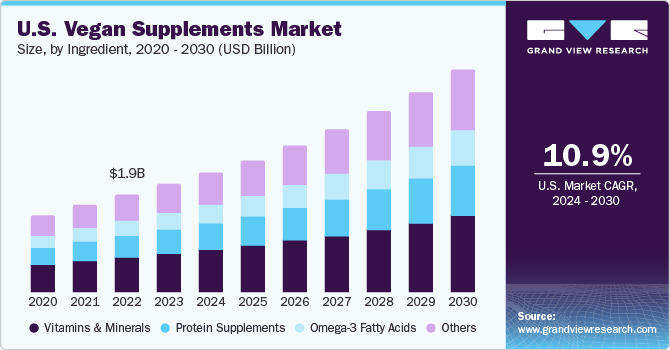
Veganism has moved past being a niche choice. While a plant-based diet is healthy, simply cutting out meat isn't enough. You have to be intentional about specific nutrients that are harder to get from plants alone.
This means supplementation isn’t just for newcomers. Even established vegans may find themselves falling short on key nutrients. Common deficiencies include vitamin B12, vitamin D, omega-3 fatty acids, iodine, iron, calcium, and zinc. The good news is that addressing these potential shortfalls is straightforward with the right knowledge and supplementation strategy. It's a common misconception that 'vegan' automatically equates to 'healthy'; conscious effort is required.
We’re heading into 2026, and the research surrounding plant-based nutrition is constantly evolving. What we thought we knew five years ago may be updated by new studies. For example, recent work is clarifying optimal dosages of certain nutrients and the bioavailability of different supplement forms. Staying informed is crucial. It’s also important to remember that individual needs vary based on age, activity level, health status, and even genetics.
The focus isn’t on simply avoiding deficiencies, but on optimizing health. Supplements aren’t meant to replace a balanced diet, but to fill in the gaps and support overall well-being. This means looking beyond the basics and considering a personalized approach to nutrition. A growing number of vegan-specific brands are emerging, offering targeted formulations designed to address the unique needs of plant-based eaters.
The four non-negotiables
Let’s start with the four supplements most often recommended for vegans: vitamin B12, vitamin D, omega-3 fatty acids (specifically DHA and EPA), and iodine. Vitamin B12 is arguably the most critical. It’s not found in plant foods, meaning vegans must obtain it from fortified foods or a supplement. Deficiency can lead to neurological problems, anemia, and fatigue. Symptoms can be subtle and develop over time, making regular monitoring important.
There are two main forms of B12: cyanocobalamin and methylcobalamin. Methylcobalamin is often touted as being more readily absorbed and utilized by the body, but studies haven't definitively proven a significant advantage for most people. Both are effective at raising B12 levels. Recommended daily intake varies, but most adults need around 2.4 micrograms. Higher doses are often recommended for supplementation, particularly if absorption is a concern.
Vitamin D is another common deficiency, even among omnivores, but vegans are at higher risk due to limited sources. Sunlight is the primary source, but many factors influence vitamin D synthesis, including latitude, season, and skin pigmentation. Supplementation is often necessary, especially during winter months. Vitamin D3 is generally more effective at raising blood levels than D2, but D2 is the vegan-friendly form.
Omega-3 fatty acids, particularly DHA and EPA, are crucial for brain health, heart health, and reducing inflammation. While ALA (alpha-linolenic acid) is found in flaxseeds, chia seeds, and walnuts, the body’s conversion of ALA to DHA and EPA is often inefficient. Vegan omega-3 supplements derived from algae are a direct source of DHA and EPA. Iodine is essential for thyroid function. Vegans who don’t consume iodized salt or seaweed are at risk of deficiency. Symptoms include fatigue, weight gain, and cognitive impairment. A small amount of iodine from a supplement or iodized salt is usually sufficient.
- B12: You can't get this from plants. Take a supplement to avoid nerve damage and fatigue.
- Vitamin D: Crucial for bone health, immune function, and mood regulation. Supplementation often needed.
- Omega-3s (DHA/EPA): Important for brain and heart health. Algae-based supplements are the vegan source.
- Iodine: Essential for thyroid function. Ensure adequate intake through iodized salt or supplementation.
Comparison of Vitamin B12 Forms for Vegans
| B12 Form | Bioavailability | Stability | Cost | Considerations |
|---|---|---|---|---|
| Methylcobalamin | Generally considered highly bioavailable; the active form in the body. | Less stable than cyanocobalamin, especially in liquid form. Sensitive to light and oxygen. | Generally more expensive than cyanocobalamin. | Often preferred by those with methylation issues, as it doesn't require conversion. |
| Cyanocobalamin | Well-absorbed, though requires conversion to active forms (methylcobalamin and adenosylcobalamin). | Most stable and affordable form of B12. | Typically the least expensive option. | Suitable for most individuals, but some may prefer forms that don’t require conversion. |
| Adenosylcobalamin | Coenzyme form of B12, important for mitochondrial function. | Less stable than cyanocobalamin; degrades with exposure to light. | Generally more expensive than cyanocobalamin, comparable to methylcobalamin. | May be beneficial for energy production and neurological health. |
| Hydroxocobalamin | Slowly released in the body, providing a sustained effect. | More stable than methylcobalamin and adenosylcobalamin. | Cost is generally between cyanocobalamin and methylcobalamin. | Often used in injections and can be a good option for those with absorption issues. |
| Combination Formulas | Aims to provide benefits of multiple forms. | Stability varies depending on the combination. | Cost can vary widely. | May be a good option for comprehensive B12 support, but quality control is important. |
Illustrative comparison based on the article research brief. Verify current pricing, limits, and product details in the official docs before relying on it.
Beyond the Basics: Minerals to Consider
While the "core four" get a lot of attention, several minerals also deserve consideration for vegan diets. Iron is a common concern, as plant-based iron (non-heme iron) is less readily absorbed than heme iron from animal sources. Symptoms of iron deficiency include fatigue, weakness, and impaired cognitive function. Consuming iron-rich foods alongside vitamin C can enhance absorption.
Calcium is vital for bone health, but vegans can obtain it from sources like fortified plant milks, tofu, and leafy green vegetables. However, absorption can be affected by factors like oxalates in spinach, so variety is important. Zinc is involved in immune function, wound healing, and cell growth. Plant-based sources include legumes, nuts, and seeds, but absorption can be inhibited by phytates.
Phytates in grains and legumes can block mineral absorption. Soaking or sprouting your beans helps. For selenium, you don't need a pill; eating two or three Brazil nuts a day covers most people's requirements.
Supplementation with these minerals might be particularly beneficial for athletes, pregnant or breastfeeding individuals, and those with specific health conditions. It’s always best to consult with a healthcare professional to determine your individual needs. Keep in mind that excessive intake of some minerals can be harmful, so it's important to stay within recommended daily limits.
- Iron: Enhance absorption with Vitamin C.
- Calcium: Found in fortified plant milks and leafy greens.
- Zinc: Absorption can be inhibited by phytates.
- Selenium: Brazil nuts are a rich source.
Algae vs. flaxseed oil
The world of omega-3s can be confusing. ALA (alpha-linolenic acid) is the plant-based omega-3 found in flaxseed oil, chia seeds, and walnuts. However, the body must convert ALA into EPA and DHA, the forms of omega-3s that are most readily used by the brain, heart, and eyes. This conversion process is often inefficient, with a relatively small percentage of ALA being converted to EPA and DHA.
Algae-based omega-3 supplements provide a direct source of EPA and DHA, bypassing the conversion step. This makes them a more reliable option for ensuring adequate intake of these essential fatty acids. However, algae oil is typically more expensive than flaxseed oil. The sustainability of algae-based supplements is also a major benefit – they don’t contribute to overfishing like some fish oil sources.
For those relying on flaxseed oil, consuming a generous amount and combining it with other strategies to support conversion (like adequate zinc and vitamin B6 intake) can be helpful. But for many, especially those with specific health concerns, an algae-based supplement is the preferred choice. The cost difference is a significant factor for some, and it’s a personal decision based on budget and priorities.
Ultimately, prioritizing EPA and DHA intake is key. If you’re not consuming algae oil, consider whether you’re getting enough ALA and whether your body is efficiently converting it. Monitoring your omega-3 index (a blood test that measures EPA and DHA levels) can provide valuable insights.
- ALA: Found in flaxseed, chia, and walnuts; requires conversion to EPA/DHA.
- EPA/DHA: Directly used by the body; found in algae oil.
- Algae Oil: More expensive, but a reliable source of EPA/DHA.
- Flaxseed Oil: More affordable, but conversion rate varies.
Featured Products
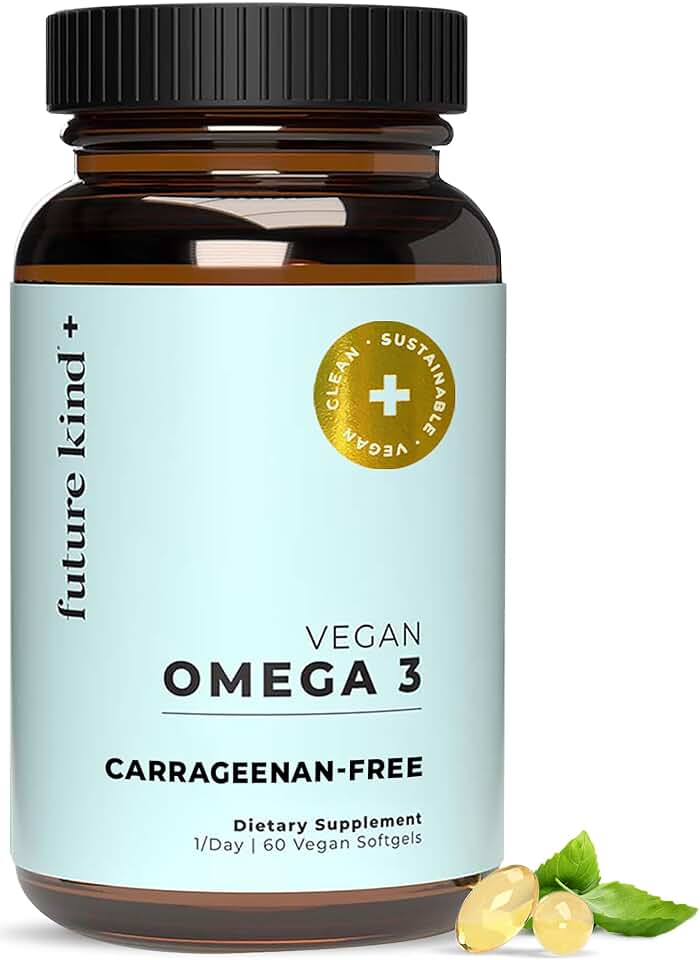
Provides EPA and DHA from algae for brain, memory, and joint comfort. · Citrus-scented, carrageenan-free softgels for easy consumption. · Two-month supply with 60 softgels.
This algae-based Omega-3 supplement offers essential EPA and DHA, crucial for plant-based eaters, with verified quality and positive customer feedback.

Combines a probiotic multivitamin with vegan algal oil for Omega-3. · Includes essential vitamins like A, B12, C, D3, E, and minerals such as selenium, magnesium, and zinc. · Provides 30 servings for daily nutritional support.
This algae-based Omega-3 supplement offers essential EPA and DHA, crucial for plant-based eaters, with verified quality and positive customer feedback.
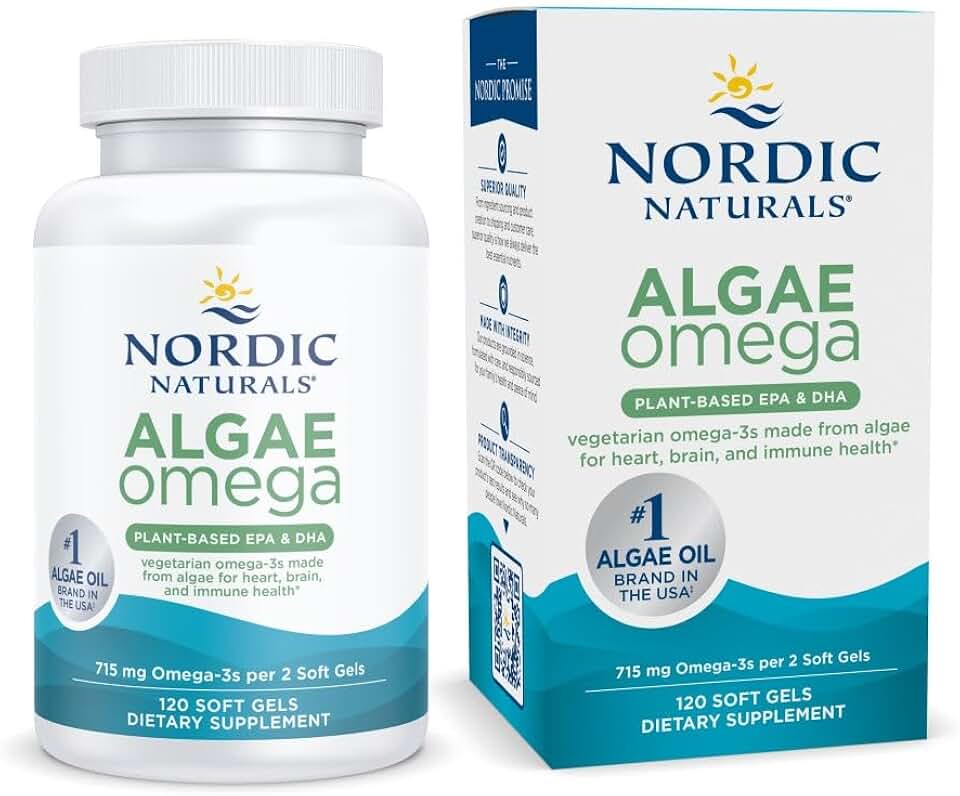
Delivers 715 mg of Omega-3 from certified vegan algae oil. · Supports heart, eye, immune, and brain health with plant-based EPA & DHA. · Non-GMO formula with 120 soft gels, providing a 60-serving supply.
This algae-based Omega-3 supplement offers essential EPA and DHA, crucial for plant-based eaters, with verified quality and positive customer feedback.

Gummy format providing Omega 3, 6, 7, and 9 from flaxseed oil. · Offers up to a four-month supply with 120 gummies. · Formulated for a pleasant taste without a fishy aftertaste, and is non-GMO.
This algae-based Omega-3 supplement offers essential EPA and DHA, crucial for plant-based eaters, with verified quality and positive customer feedback.

Contains 500mg of DHA derived from sustainable algae. · Supports brain, eye, and heart health. · Comes in 60 capsules for a convenient daily intake.
This algae-based Omega-3 supplement offers essential EPA and DHA, crucial for plant-based eaters, with verified quality and positive customer feedback.
As an Amazon Associate I earn from qualifying purchases. Prices may vary.
Multivitamins: Do You Need One?
Multivitamins can be a convenient way to "cover your bases,’ but they’re not a substitute for a well-planned diet. Think of them as an insurance policy, not a foundation. A multivitamin can help fill in any gaps in your nutrient intake, but it shouldn"t be relied upon to compensate for poor dietary habits. The quality of multivitamins varies significantly.
When choosing a vegan multivitamin, look for one that contains bioavailable forms of vitamins and minerals. For example, ensure it contains methylcobalamin (B12) and vitamin D3 (vegan sourced). Avoid multivitamins with excessive amounts of any single nutrient, as this can lead to imbalances. Also, be aware of potential nutrient interactions – some vitamins and minerals can interfere with each other’s absorption.
It’s important not to exceed the recommended daily intake of any nutrient. More isn't always better, and excessive intake can be harmful. A multivitamin should complement a healthy diet, not replace it. Focus on eating a wide variety of nutrient-rich plant foods, and use a multivitamin as a supplemental tool if needed.
Ultimately, the decision of whether or not to take a multivitamin is a personal one. If you’re concerned about potential nutrient deficiencies, or if you have specific health conditions, consult with a healthcare professional to determine if a multivitamin is right for you.
Supplements Worth a Closer Look
Beyond the essentials, several other supplements may offer benefits for vegans. Creatine is popular among athletes for its ability to enhance muscle strength and power. While the body produces some creatine naturally, vegans typically have lower levels due to the absence of creatine in plant foods.
Choline is important for brain health and nerve function. Plant-based sources include soybeans, quinoa, and broccoli, but supplementation may be considered by some. Taurine, an amino acid, is involved in various physiological processes. It’s primarily found in animal products, so vegans may benefit from supplementation, although research is still ongoing.
Vitamin K2 plays a role in calcium metabolism and bone health. It’s found in fermented foods like natto, but supplementation may be helpful for those who don’t consume these foods. The research on these supplements is less conclusive than for the "core four," but they show promise for specific populations.
It’s important to approach these supplements with realistic expectations and to consult with a healthcare professional before starting any new regimen. Don’t fall for hype or exaggerated claims. Prioritize a well-rounded diet and consider these supplements as potential additions, not replacements, for a healthy lifestyle.
- Creatine: For athletes seeking enhanced performance.
- Choline: Important for brain health.
- Taurine: May benefit vegans due to its limited plant-based sources.
- Vitamin K2: Supports calcium metabolism.

THORNE Creatine - Micronized Creatine Monohydrate Powder - Support for Muscles & Cognitive Function* - for Women & Men - Unflavored - NSF Certified for Sport - 5 g per Serving - 30 Servings
- Micronized creatine monohydrate powder
- Supports muscle and cognitive function
- NSF Certified for Sport
- Unflavored powder
- 5g of creatine per serving
Thorne's Micronized Creatine Monohydrate is a top-tier vegan option for supporting muscle strength and cognitive performance, making it an excellent addition to a plant-based health regimen.
View on Amazon →As an Amazon Associate I earn from qualifying purchases.
No comments yet. Be the first to share your thoughts!