
Protein in 2026: Beyond the Basics
For years, vegans have navigated the protein conversation with a bit of extra effort. Concerns about 'complete' proteins and adequate intake were common, often fueled by outdated nutritional advice. It's a narrative that’s changing rapidly, and 2026 marks a turning point. We're moving beyond simply optimizing combinations of beans and rice to a world of innovative, highly bioavailable plant-based proteins.
The understanding of protein needs has evolved significantly. We now know the body doesn’t require all essential amino acids at every single meal. Instead, it draws from a circulating "amino acid pool’ throughout the day. This makes building a sufficient protein intake much less daunting. But the biggest shift isn’t just in our understanding—it"s in the sheer number of new options becoming available.
Historically, vegans relied on legumes, grains, nuts, and seeds as primary protein sources. These remain important, of course, but 2026 will see the arrival of a wave of lab-grown and fermented proteins poised to disrupt the market. These aren’t just incremental improvements; they represent a fundamental shift in how we think about plant-based nutrition.
This guide will walk you through these exciting new developments, breaking down the science, the sourcing, and the nutritional benefits. We’ll also address lingering myths and offer practical advice for building a protein-rich vegan diet that fits your lifestyle. It’s a good time to be a vegan, and an even better time to be thinking about protein.
The 15 New Protein Sources
The next few years will bring a flood of novel protein sources to market, many utilizing cutting-edge fermentation and cellular agriculture techniques. Lonely Vegan has identified 15 particularly promising options. These aren’t just conceptual projects; many are slated for commercial release in 2026.
Motif FoodWorks’ Approtein: This is a flavorless, colorless protein derived from fermentation. It's designed to be a functional ingredient, improving the texture and protein content of existing foods like baked goods and beverages. It boasts a complete amino acid profile and offers a neutral taste, making it incredibly versatile. Availability is expected through food manufacturers adopting the ingredient.
MyForest Foods’ MyBacon: Grown from mycelium, the root structure of mushrooms, MyBacon mimics the texture and flavor of bacon without the animal product. It’s high in protein and fiber, and the company emphasizes its sustainable production process. You can currently pre-order it, with wider availability anticipated in 2026.
Nature’s Fynd’s Fy Protein: Derived from a unique fungus found in Yellowstone National Park, Fy Protein is a complete protein with a mild flavor. It's used in their existing cream cheese and dairy-free products, but they’re expanding into new protein-focused offerings. It's currently available online and in select retailers.
Perfect Day’s Animal-Free Whey: While not strictly plant-based, it's a vegan-compatible protein created through precision fermentation. They program microorganisms to produce whey protein, identical to that found in cow's milk, but without the animal. It’s a complete protein used in dairy-free ice cream and other products, and is available from several brands.
Cultivated Beef by Upside Foods: This lab-grown beef is produced by cultivating animal cells in a controlled environment. While still facing regulatory hurdles, it’s poised to become a more sustainable alternative to traditional beef. The protein content is comparable to conventional beef, and the amino acid profile is complete, though availability is currently limited to select restaurants.
Aleph Farms’ Cultivated Beef: Similar to Upside Foods, Aleph Farms is developing lab-grown beef, focusing on structured meat products like steaks. Their approach aims to replicate the texture and flavor of traditional beef with a significantly reduced environmental impact. Availability is still limited, awaiting regulatory approval.
Meatable’s Cultivated Pork: Meatable uses a unique cell-based approach to create cultivated pork, aiming to offer a more sustainable and ethical alternative to conventional pork products. The protein content is similar to pork, and it offers a complete amino acid profile. It's currently in the pilot production phase.
Enough Food’s Abunda Mycoprotein: This mycoprotein is produced through fermentation and offers a complete protein source with a meat-like texture. It's versatile and can be used in a variety of applications, from burgers to sausages. It’s already available in Europe and is expanding into other markets.
Formo’s Animal-Free Cheese: Formo uses precision fermentation to create animal-free cheese, offering a vegan alternative with the same taste and texture as traditional cheese. The protein content varies depending on the cheese type, and it offers a complete protein source. It’s currently available in select European markets.
Remilk’s Animal-Free Dairy: Similar to Perfect Day, Remilk uses precision fermentation to produce animal-free dairy proteins, enabling the creation of dairy-free products with the same nutritional profile as conventional dairy. Availability is growing through partnerships with food manufacturers.
Change Foods’ Animal-Free Dairy: Another player in the precision fermentation space, Change Foods focuses on producing animal-free dairy proteins for a variety of applications. They emphasize the sustainability benefits of their process. They are currently scaling up production.
New Culture’s Animal-Free Mozzarella: New Culture specializes in animal-free mozzarella cheese, created through precision fermentation. It offers a vegan alternative with the same stretch and melt as traditional mozzarella. It’s available through select retailers and restaurants.
Those Vegan Temptations’ Chickpea Protein: A more traditional approach, this company is focusing on enhancing the functionality and flavor of chickpea protein, creating a versatile ingredient for plant-based products. It’s a complete protein and offers a good source of fiber. It is currently available through their website.
Noblegen’s Euglena Protein: Euglena is a single-celled algae packed with protein, essential amino acids, and other nutrients. Noblegen is scaling up production of Euglena protein for use in various food applications. It's a complete protein source and offers a unique nutritional profile.
Emerging Vegan Protein Sources - 2026
| Source Name | Protein per Serving (grams) | Amino Acid Profile | Texture | Estimated Cost per Serving | Availability (2026) |
|---|---|---|---|---|---|
| Mycoprotein 2.0 (Solar Foods) | 18-22g | Complete | Fibrous, slightly chewy | Moderate | Widely available |
| Fermented Pea Protein Isolate (Novel Farms) | 20-25g | Complete | Fine powder, neutral flavor | Low to Moderate | Increasingly common in protein powders & bars |
| Precision Fermentation Dairy Protein (Perfect Day - Vegan Line) | 8-12g | Complete | Similar to whey protein, smooth | High | Specialty retailers, online |
| Cultivated Mushroom Protein (Nature’s Fynd Expansion) | 15-18g | Nearly Complete | Slightly spongy, umami flavor | Moderate | Expanding retail presence |
| Air Protein (Air Protein) | 17-20g | Complete | Flaky, mild taste | High | Limited, urban centers |
| Fava Bean Protein Concentrate (Equii Foods) | 16-19g | Incomplete | Slightly grainy, beany flavor | Low | Growing availability in plant-based meats |
| Algae Protein (Oceanly) | 14-17g | Nearly Complete | Smooth, subtly oceanic | Moderate to High | Specialty health food stores |
| Cellular Agriculture Chicken Protein (Upside Foods - Vegan Adaptation) | 20-23g | Complete | Similar to chicken breast, tender | Very High | Limited, regulatory dependent |
Illustrative comparison based on the article research brief. Verify current pricing, limits, and product details in the official docs before relying on it.
Fermented Proteins: A Closer Look
Fermentation isn’t new – it’s been used for millennia to create foods like bread, beer, and yogurt. But its application to protein production is a game-changer. In essence, fermentation uses microorganisms (like fungi, yeast, or bacteria) to convert sugars and other carbohydrates into protein. This process can be incredibly efficient, requiring fewer resources than traditional agriculture.
There are several types of fermentation being used for protein production. Precision fermentation is particularly exciting. It involves genetically engineering microorganisms to produce specific proteins, like whey or casein, without the need for animals. This is how companies like Perfect Day and Remilk are creating animal-free dairy proteins.
Traditional fermentation is also being employed, utilizing naturally occurring microorganisms to cultivate proteins from sources like fungi and mycelium. This is the approach taken by companies like MyForest Foods and Enough Food. The benefits of fermentation extend beyond just efficiency. It can also increase the bioavailability of proteins, meaning our bodies can absorb and utilize them more easily. It can also improve digestibility, making them gentler on the stomach.
Some people express concerns about fermented foods, often related to potential allergens or the use of genetically modified organisms. It’s important to note that most fermented proteins undergo purification processes to remove any residual microorganisms. Furthermore, the GMOs used in precision fermentation are carefully regulated and considered safe by regulatory bodies.
Lab-Grown Protein: What's Real?
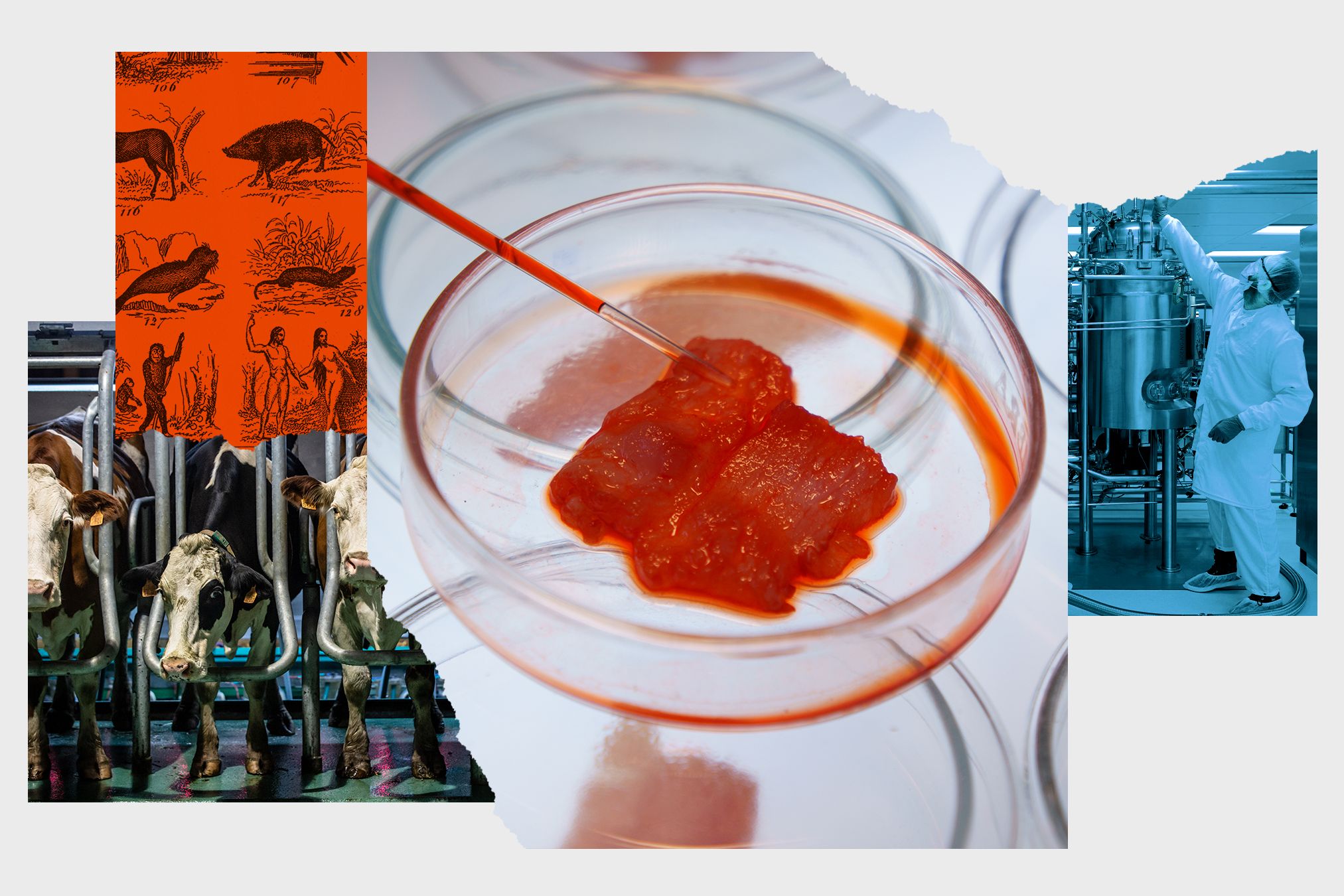
Lab-grown protein, also known as cultivated meat, is undoubtedly one of the most talked-about innovations in the food industry. The process involves taking cells from an animal and growing them in a controlled laboratory environment, without the need to raise and slaughter the animal. While the concept is promising, it's important to separate hype from reality.
Currently, the biggest hurdle for lab-grown protein is scalability and cost. Producing protein in a lab is still significantly more expensive than traditional agriculture. Companies are working to optimize the process and reduce costs, but it will take time. Regulatory approval is another significant challenge. The FDA and USDA are still developing frameworks for regulating cultivated meat products.
The potential environmental impact of lab-grown protein is a complex issue. While it could significantly reduce greenhouse gas emissions and land use compared to traditional animal agriculture, the energy requirements of the process are substantial. The overall environmental benefit will depend on the energy source used to power the labs.
Despite these challenges, the progress in lab-grown protein is undeniable. Companies like Upside Foods and Aleph Farms have made significant strides in developing and scaling up production. It's likely that we'll see limited availability of lab-grown protein products in select restaurants and markets in the coming years, but widespread adoption is still some way off.
Complete Proteins: Debunking Myths
For decades, vegans were told they needed to meticulously combine different protein sources at every meal to ensure they were getting all nine essential amino acids – the building blocks of protein. This idea of "protein combining" stemmed from a misunderstanding of how the body processes protein. Current nutritional science has debunked this myth.
The body doesn’t require all essential amino acids at every meal. It maintains an "amino acid pool’ throughout the day, drawing from various sources to meet its needs. As long as you’re consuming a varied diet with sufficient calories and protein, you"ll likely get all the essential amino acids you require.
Foods like quinoa, soy, and chia seeds are considered complete proteins, meaning they contain all nine essential amino acids in sufficient quantities. However, you don’t need to rely solely on these foods. Combining legumes with grains, nuts, or seeds throughout the day provides a complete amino acid profile. A well-planned vegan diet easily meets protein requirements without the need for complex meal planning.
Protein Needs: Individual Variation
Determining your individual protein needs isn’t a one-size-fits-all calculation. Several factors influence how much protein you require, including your activity level, age, muscle mass, and overall health status. Generally, the Recommended Dietary Allowance (RDA) for protein is 0.8 grams per kilogram of body weight.
However, this is a minimum requirement. Athletes and individuals engaging in regular strenuous exercise may need significantly more protein – up to 1.2 to 2.0 grams per kilogram of body weight. Older adults may also benefit from increased protein intake to help preserve muscle mass. People recovering from illness or injury also require more protein.
It’s important to note that these are general guidelines. Consulting with a registered dietitian or healthcare professional is the best way to determine your individual protein needs. They can assess your specific circumstances and provide personalized recommendations. This information is not intended as medical advice.
Beyond the New: Vegan Protein Standouts
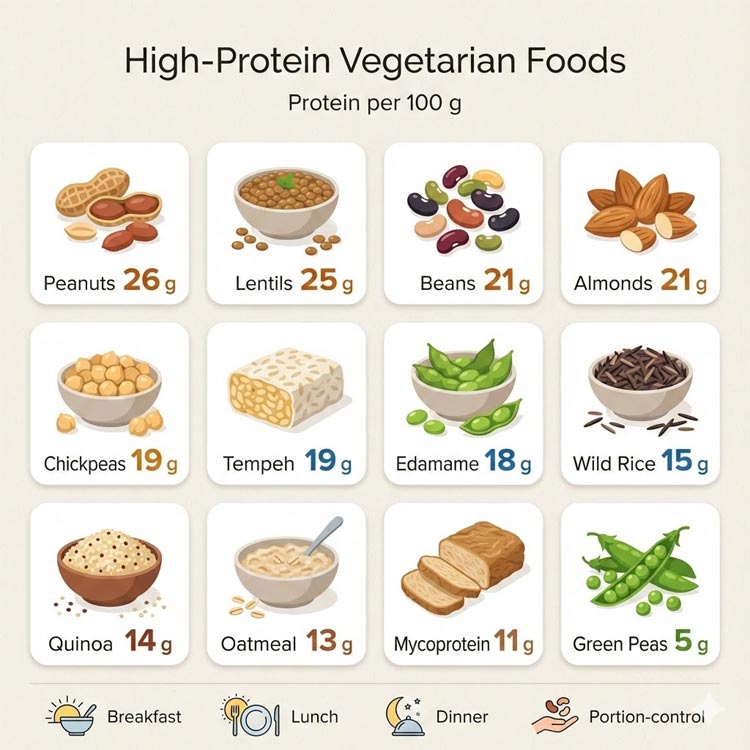
While the new protein sources are exciting, it’s important not to overlook the established vegan protein powerhouses. Tofu, tempeh, lentils, beans, quinoa, and seitan remain valuable components of a healthy vegan diet. These options are generally more affordable and readily available than many of the new alternatives.
Tofu and tempeh, derived from soybeans, are complete proteins and incredibly versatile. Lentils and beans are excellent sources of protein and fiber, though they aren’t complete proteins on their own, they easily combine with other foods. Quinoa is a complete protein and a good source of complex carbohydrates. Seitan, made from wheat gluten, is very high in protein, but not suitable for those with gluten sensitivities.
In 2026, these traditional sources will likely become even more appealing as they offer a cost-effective and sustainable complement to the innovative proteins hitting the market. They’re a solid foundation for a protein-rich vegan diet, and their nutritional profiles stack up well against many of the newer options.
Building a Protein-Rich Vegan Plate
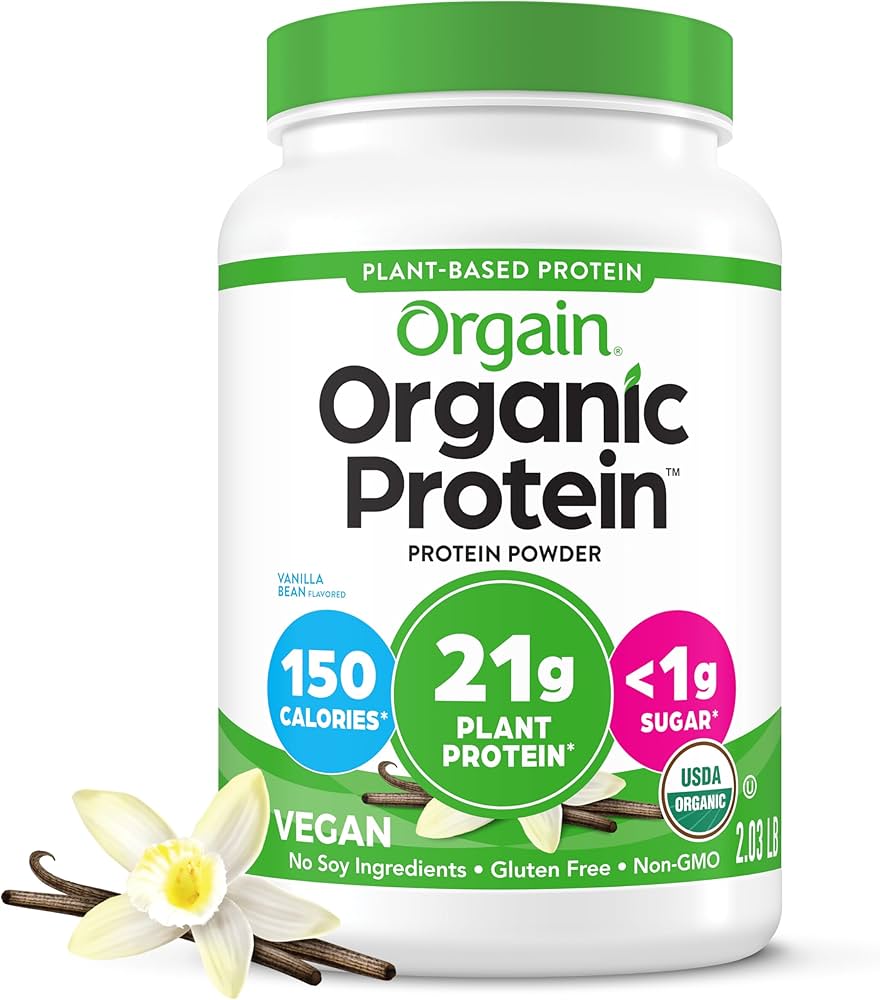
Incorporating these protein sources into your everyday meals doesn’t have to be complicated. Focus on variety and flavor, and don’t be afraid to experiment. For breakfast, try a smoothie with plant-based protein powder (pea, soy, or the new fungal proteins), or tofu scramble with whole-wheat toast.
Lunch could be a lentil soup with a side of quinoa, a tempeh sandwich on whole-grain bread, or a large salad with chickpeas and seeds. Dinner options include a stir-fry with tofu and plenty of vegetables, a bean burrito with brown rice, or a seitan steak with roasted sweet potatoes.
Remember to spread your protein intake throughout the day. Snacking on nuts, seeds, or edamame can help you reach your daily goals. Don't be afraid to utilize the new protein sources as they become available, and enjoy the expanding world of plant-based nutrition. A little planning and creativity are all you need to build a protein-packed vegan plate that’s both delicious and nutritious.
- Breakfast: Smoothie with protein powder, tofu scramble
- Lunch: Lentil soup, tempeh sandwich, chickpea salad
- Dinner: Tofu stir-fry, bean burrito, seitan steak
Vegan Protein Sources
- Soybeans & Edamame - A complete protein source, offering around 18g of protein per cooked cup. Versatile for tofu, tempeh, and natto.
- Lentils - Excellent source of protein and fiber, with about 18g of protein per cooked cup. Red, green, and brown varieties offer diverse culinary options.
- Chickpeas - Providing approximately 15g of protein per cooked cup, chickpeas are a staple in hummus, salads, and roasted snacks.
- Quinoa - A complete protein containing all nine essential amino acids, with roughly 8g of protein per cooked cup. It’s a versatile grain-like seed.
- Chia Seeds - While not a complete protein on their own, chia seeds contribute around 5g of protein per 2 tablespoons, along with healthy fats and fiber.
- Seitan - Made from wheat gluten, seitan is a high-protein meat substitute, boasting around 25g of protein per 3.5oz serving. *Note: Not suitable for those with gluten intolerance.*
- Hemp Seeds - Offering a complete protein profile with about 10g of protein per 3 tablespoons, hemp seeds are easily added to smoothies, salads, or yogurt alternatives.
- Spirulina - A blue-green algae, spirulina is a concentrated protein source, providing around 8g of protein per 2 tablespoons. Often found in powder form for smoothies.
No comments yet. Be the first to share your thoughts!