
Veganism's waste problem
Veganism is often seen as inherently ethical and environmentally friendly, and rightly so. Reducing animal product consumption is a powerful step towards a more sustainable world. However, simply adopting a plant-based diet doesn’t automatically equate to a zero-waste lifestyle. In fact, a poorly planned vegan diet can generate a surprising amount of waste, from plastic packaging to unavoidable food scraps. It’s a bit of a blind spot for some.
The appeal of veganism often centers on animal welfare, but the environmental impact of food production – even plant-based food – is significant. Packaging, particularly single-use plastics, is a major contributor. Produce often comes with stickers, and even bulk bins aren’t always package-free. Then there's the issue of food waste itself. We all mean well, buying fresh fruits and vegetables, but life happens, and things go bad. It's a problem that needs addressing.
Globally, roughly one-third of all food produced for human consumption is lost or wasted, according to the Food and Agriculture Organization of the United Nations. That’s a staggering amount of resources – water, land, energy – going to waste. For vegans, minimizing this waste is not just a matter of environmental responsibility, it’s about living up to the full potential of our ethical choices. This article isn’t about guilt, it’s about practical steps we can take to do better.
Reducing kitchen waste
The kitchen is ground zero for food waste, but also where we have the most control. Meal planning is the first, and perhaps most crucial, step. Before you even think about shopping, take stock of what you already have. What needs to be used up? What can you build meals around? A little planning can prevent impulse buys and forgotten produce languishing in the crisper drawer.
Proper storage is also key. Different fruits and vegetables have different needs. Leafy greens stay fresher longer when wrapped in a damp cloth and stored in a container. Tomatoes shouldn’t be refrigerated, as it affects their flavor and texture. Potatoes and onions need cool, dark, dry places. Understanding these nuances can dramatically extend the life of your produce. I’ve found that keeping a list of optimal storage methods on the fridge door is a good reminder.
Don't blindly trust 'best before' and 'use by' dates. 'Best before' is about quality, not safety – the food is still safe to eat after that date, it just might not be at its peak. 'Use by' dates are more important, especially for perishable items, but even then, a sniff test and visual inspection can often tell you if something is still good. I'm not advocating for recklessness, but for mindful assessment. And when things do start to turn, don't throw them away immediately. Wilted vegetables are perfect for soups and stocks.
Speaking of using everything, get creative with food scraps! Vegetable peels can be made into chips or added to stock. Stems from broccoli or cauliflower can be finely chopped and added to stir-fries. Leftover pulp from juicing can be used in muffins or veggie burgers. There's a wealth of recipes online dedicated to utilizing every part of the plant. Vegan Family Kitchen has some great ideas for this.
- Vegetable Stock: Save peels, stems, and trimmings in a freezer bag. Once full, simmer with water, herbs, and spices for a flavorful stock.
- Citrus Peel Candy: Candied citrus peels are a delicious way to use up leftover peels.
- Broccoli Stem Slaw: Finely chop broccoli stems and add them to a slaw with a vegan mayonnaise-based dressing.
Smarter shopping for less packaging
Reducing packaging waste requires a shift in shopping habits. Bulk buying is a great starting point, but it's not always accessible. If you have a bulk store nearby, take advantage of it! Bring your own reusable containers and fill them with grains, beans, nuts, seeds, and more. It’s often cheaper too.
Farmers markets are another excellent option. Not only do you support local farmers, but you also typically get produce with minimal packaging. Bring your own reusable bags and containers for berries, greens, and other loose items. Don't be afraid to ask farmers if they can pack your items directly into your containers.
When shopping at supermarkets, choose products with minimal packaging. Opt for glass jars over plastic containers whenever possible, as glass is more easily recyclable. Look for products packaged in cardboard, which is often made from recycled materials. And support companies that are actively working to reduce their packaging footprint. It’s a subtle way to vote with your wallet.
Politely requesting less packaging from stores and restaurants can also make a difference. Ask the grocery store clerk to skip the plastic bag for a single item. Request no plastic cutlery or straws when ordering takeout. It might feel awkward at first, but it sends a message that consumers are demanding more sustainable options.
DIY vegan staples
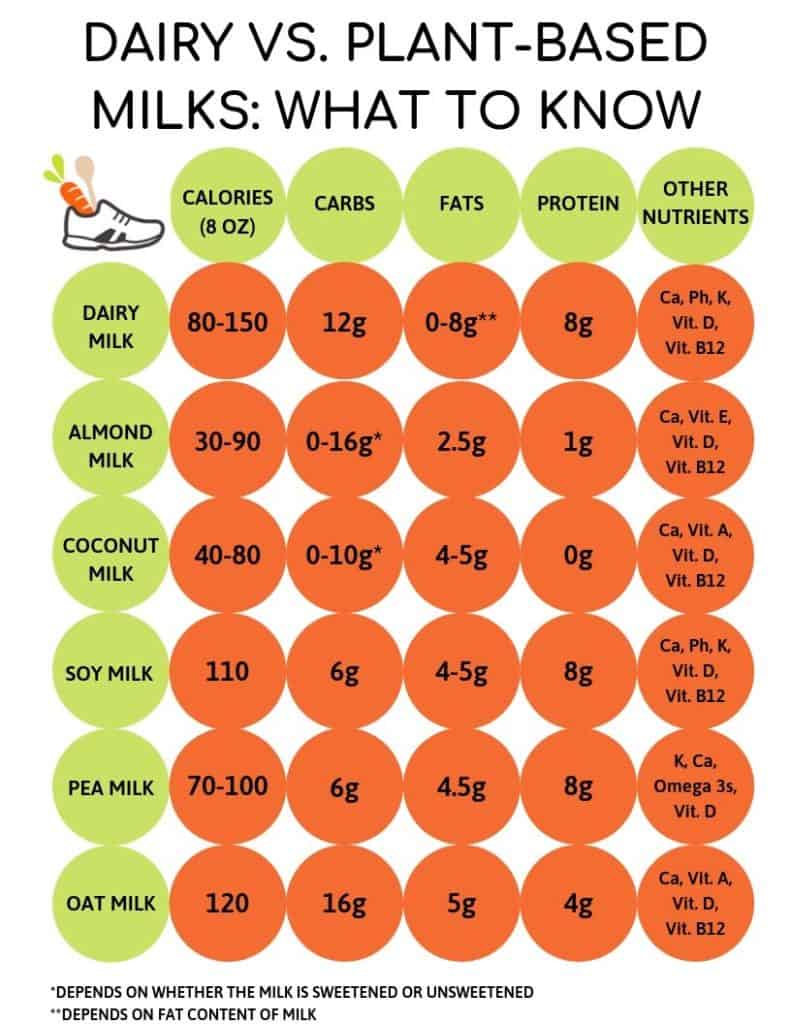
Making your own vegan staples is surprisingly easy and incredibly rewarding. Plant milks, for example, are a great place to start. Almond milk, oat milk, and soy milk can all be made at home with just a few ingredients and a blender. It’s cheaper, healthier, and generates far less waste than buying store-bought versions.
Nut butters are another easy win. Simply blend your favorite nuts in a food processor until smooth and creamy. You can control the ingredients and avoid added sugars and oils. Homemade sauces and dressings are also a fantastic way to reduce waste and improve your diet. A simple vinaigrette is just oil, vinegar, and seasonings.
Even cleaning products can be made from scratch with ingredients like vinegar, baking soda, and essential oils. There are countless recipes online for DIY all-purpose cleaners, laundry detergents, and dish soaps. It’s not about becoming completely self-sufficient, but about making small changes that add up over time. Plus, you know exactly what’s going into your products, which is a bonus.
The initial investment in a good blender and some reusable containers is minimal, and the long-term savings – both financial and environmental – are significant. It takes a little time and effort, but the benefits are well worth it.
- Almond Milk: 1 cup almonds, 4 cups water, blend and strain.
- Peanut Butter: Roasted peanuts in a food processor until smooth.
- All-Purpose Cleaner: Equal parts vinegar and water with a few drops of essential oil.
Zero-waste habits outside the kitchen
Zero waste isn't just about what you eat, it's about how you live. The bathroom is a prime area for reducing waste. Shampoo bars and conditioner bars eliminate the need for plastic bottles. Bamboo toothbrushes are a sustainable alternative to plastic toothbrushes. Reusable cotton rounds replace disposable cotton pads. These swaps are simple and effective.
Sustainable clothing choices are also important. Secondhand shopping is a great way to reduce your environmental impact and find unique pieces. When buying new clothes, opt for natural fibers like organic cotton, linen, and hemp, which are more biodegradable than synthetic fabrics. Avoid fast fashion and choose quality over quantity.
Eco-friendly cleaning supplies extend the zero-waste ethos beyond the kitchen. Consider using reusable cloths instead of paper towels, and making your own cleaning solutions as mentioned earlier. Choosing products with minimal packaging or refillable options also makes a difference. Every small change contributes to a larger impact.
Ultimately, a zero-waste vegan lifestyle is about being mindful of your consumption and making conscious choices that align with your values. It’s a journey, not a destination, and it’s okay to start small and gradually incorporate more sustainable habits into your life.
Composting food scraps
Composting is the ultimate way to close the loop and turn food scraps into valuable soil amendment. It might seem daunting, but it’s surprisingly easy, even if you live in an apartment. The basic principle is providing the right environment for microorganisms to break down organic matter. You need a mix of 'greens' (nitrogen-rich materials like food scraps) and 'browns' (carbon-rich materials like dried leaves and cardboard).
For those with outdoor space, a traditional compost bin or tumbler works well. For apartment dwellers, worm composting (vermicomposting) is a great option. Worms break down food scraps quickly and efficiently, producing nutrient-rich compost and 'worm tea' (a liquid fertilizer). There are many commercially available worm bins designed for indoor use.
What can you compost? Fruit and vegetable scraps, coffee grounds, tea bags, eggshells, shredded paper, and cardboard are all good options. Avoid composting meat, dairy, oily foods, and diseased plants. Troubleshooting common problems, like a smelly compost pile, often involves adjusting the ratio of greens to browns. According to Vegan Food & Living, proper aeration is also essential.
If you don’t have space for a home composting system, look for community composting options in your area. Many cities and towns offer drop-off locations or curbside composting services. Composting is a powerful way to reduce landfill waste and create a valuable resource for your garden or local community.
Finding support and resources
Embarking on a zero-waste vegan lifestyle can feel overwhelming at times, but you don’t have to do it alone. There’s a wealth of resources available online and in your community to help you along the way. Websites like the Wannabe Eco Vegan (thewannabeecovegan.com) offer practical tips and inspiration for sustainable living.
Vegan Food & Living (veganfoodandliving.com) is another excellent resource, providing recipes, articles, and a supportive community. Online forums and social media groups dedicated to zero-waste living and veganism can connect you with like-minded individuals who can share advice and encouragement. Books on these topics can also provide valuable insights and guidance.
Local farmers markets and co-ops are great places to connect with sustainable food producers and learn about local initiatives. Workshops and classes on composting, gardening, and DIY cleaning products can also help you develop the skills you need to live a more sustainable life.
Future trends in sustainable vegan living
The future of sustainable vegan living looks promising. Innovations in packaging are gaining momentum, with companies exploring biodegradable and compostable materials. The growth of refill stores is making it easier than ever to buy products without packaging. More and more plant-based products are becoming available with minimal environmental impact.
I anticipate we’ll see even greater emphasis on regenerative agriculture, which focuses on restoring soil health and biodiversity. This approach not only reduces the environmental impact of food production but also enhances its nutritional value. Expect to see more companies embracing circular economy principles, designing products for durability, repairability, and recyclability.
The demand for transparency in supply chains will continue to grow, as consumers become more aware of the environmental and social impacts of their purchases. Blockchain technology could play a role in tracking products from farm to table, providing greater accountability and traceability. It’s an exciting time to be a conscious consumer, and I’m optimistic about the future of sustainable vegan living.

No comments yet. Be the first to share your thoughts!