
Vegan Meal Prep: 2026 Trends
More people are choosing vegan lifestyles, creating a need for practical solutions that fit busy schedules. Vegan meal prep helps people stick to plant-based eating while saving time and money, offering control over what you eat.
Key themes for vegan meal prep in 2026 include a focus on gut health with fermented foods and fiber, a rise in global flavors, and a growing concern for minimizing food waste.
These trends are informed by resources like Cadry's Kitchen's Veganuary recipes for 2026 and YouTube channels focused on plant-based cooking. A video titled '5 Must Try Vegan Recipes to Master in 2026!' highlights skills home cooks are prioritizing, showing a desire for recipes that are both delicious and efficient.
The sustained interest in plant-based diets drives innovation in vegan products and resources. Meal prepping makes navigating these options manageable and affordable.
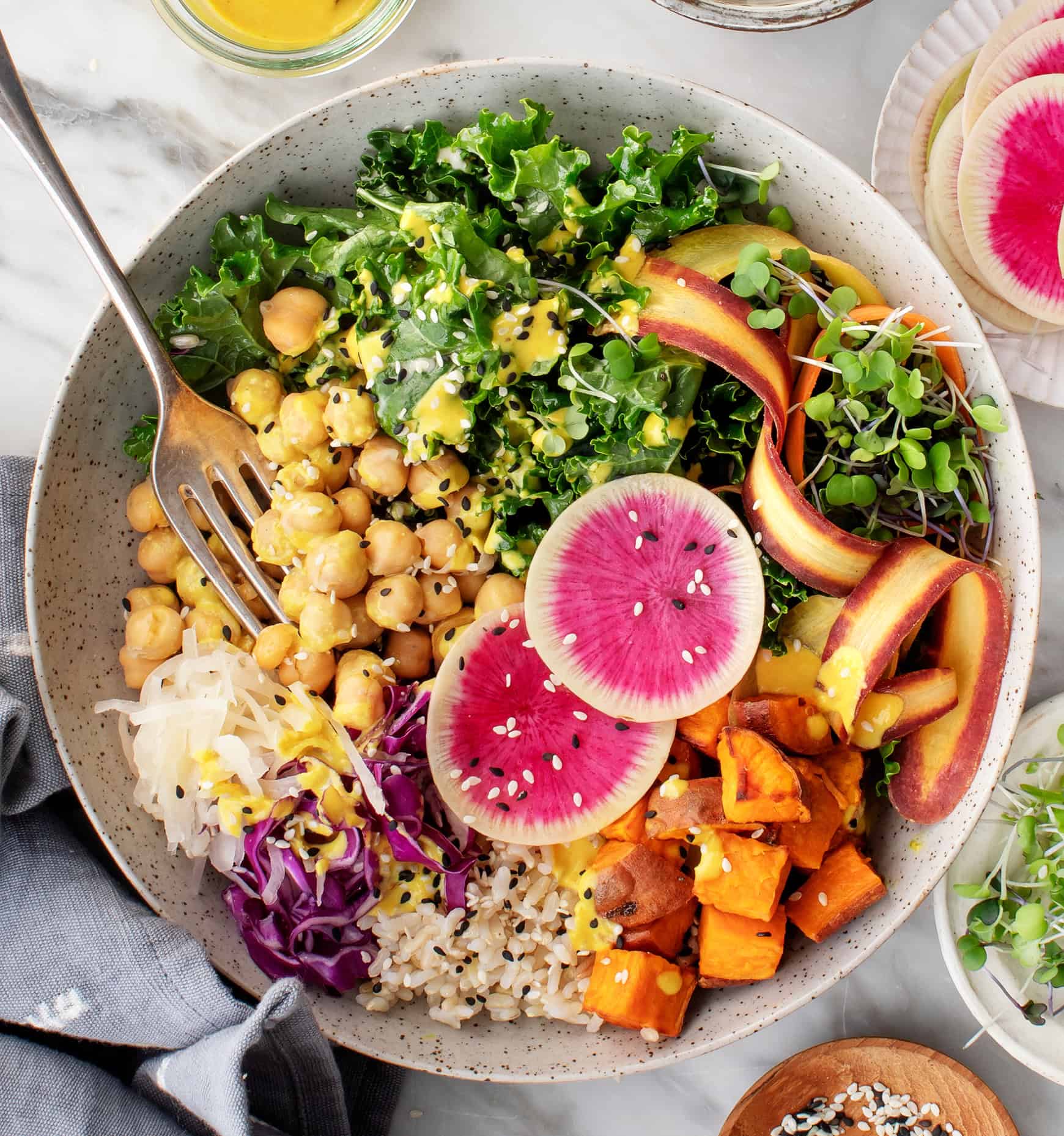
45 Veganuary Recipes for 2026
Cadry's Kitchen's list of 45 easy Veganuary recipes for 2026 offers meal prep inspiration. The recipes are categorized and beginner-friendly, with a focus on those suitable for batch cooking and reheating.
Breakfast: Start your day with overnight oats (prep time: 5 minutes, estimated cost: $1.50 per serving) or a tofu scramble (prep time: 15 minutes, estimated cost: $2.00 per serving). Other great options include chia seed pudding, vegan pancakes, and breakfast burritos. These are all adaptable for making larger portions at the beginning of the week.
Lunch: Quick and easy lunches are essential for successful meal prepping. Consider a lentil soup (prep time: 30 minutes, estimated cost: $1.75 per serving), a quinoa salad with roasted vegetables (prep time: 20 minutes, estimated cost: $2.50 per serving), or a hearty chickpea salad sandwich. Wraps and pasta salads are also convenient choices.
Dinner: For dinner, explore options like vegan chili (prep time: 45 minutes, estimated cost: $2.25 per serving), a vegetable curry (prep time: 35 minutes, estimated cost: $3.00 per serving), or a baked sweet potato with black beans and salsa (prep time: 25 minutes, estimated cost: $2.00 per serving). Casseroles are excellent for meal prep, as are stir-fries.
Snacks: Don't forget about snacks! Hummus and veggie sticks (prep time: 10 minutes, estimated cost: $1.00 per serving), energy balls (prep time: 15 minutes, estimated cost: $1.25 per serving), and roasted chickpeas (prep time: 20 minutes, estimated cost: $1.00 per serving) are all great options. Fruit and nuts are, of course, always a good choice.
Desserts: Even dessert can be meal-prepped! Consider a batch of vegan cookies (prep time: 30 minutes, estimated cost: $1.50 per serving) or a fruit crumble (prep time: 40 minutes, estimated cost: $2.00 per serving). Chia seed pudding can also be made with a dessert-inspired flavor profile. Many of these recipes can be found on Cadry's Kitchen website.
Meal Prep Ideas
- Lentil Soup - A hearty and affordable soup made with red lentils, vegetable broth (Better Than Bouillon No Chicken Base is a popular vegan option), diced carrots, celery, and onions. Easily scalable for multiple servings.
- Chickpea Curry with Rice - Utilize canned chickpeas, diced tomatoes, coconut milk (Native Forest is a widely available brand), and curry powder. Serve over brown rice for a complete and satisfying meal.
- Black Bean & Sweet Potato Bowls - Roast cubed sweet potatoes and combine with black beans (Goya brand is commonly found), quinoa, and a simple lime-cilantro dressing. A great source of fiber and vitamins.
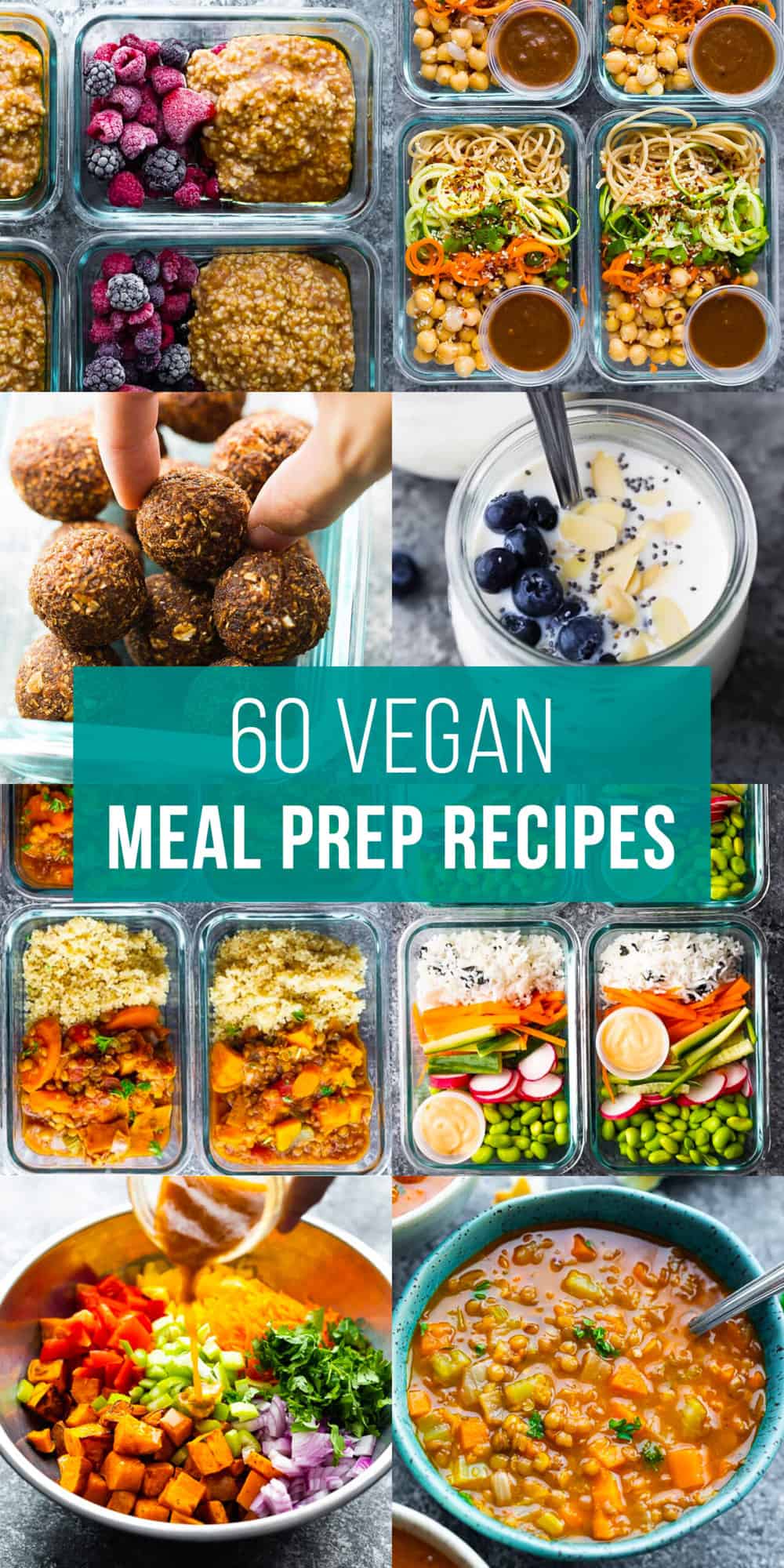
- Overnight Oats - Combine rolled oats (Bob's Red Mill are a popular choice), plant-based milk (Oatly or Silk are common brands), chia seeds, and your favorite fruit (frozen berries work well) in a jar. Prepare several jars at once for quick breakfasts.
- Pasta Salad with White Beans & Veggies - Cook whole wheat pasta and toss with canned white beans (Cannellini beans are a good option), chopped bell peppers, cucumber, and a lemon-herb vinaigrette.
- Tofu Scramble Breakfast Burritos - Crumble firm or extra-firm tofu (Nasoya is a readily available brand) and sauté with turmeric, nutritional yeast, and your favorite vegetables. Wrap in whole wheat tortillas for a portable breakfast or lunch.
- Roasted Vegetable & Grain Bowls - Roast a mix of seasonal vegetables (broccoli, Brussels sprouts, carrots) and serve over farro or barley with a tahini-lemon sauce.
Budget-Friendly Vegan Staples
A vegan pantry can be built affordably by focusing on versatile ingredients like lentils, beans, and tofu, which are cheaper protein sources than meat alternatives. Buying these in bulk offers further savings.
Frozen produce is a budget-friendly, nutritious alternative to fresh that lasts longer, reducing food waste. Stocking up on frozen fruits and vegetables like berries, spinach, and broccoli is ideal for smoothies, soups, and stir-fries.
Reducing food waste saves money. Careful meal planning, proper storage, and creative leftover use are key. A YouTube video on vegan recipes highlighted using entire vegetables, like making broth from scraps, and transforming leftovers into new meals.
Swap expensive ingredients for cheaper alternatives, such as using nutritional yeast instead of cheese and black beans as a more affordable bean option. Resourcefulness saves money.
- Lentils: $1.50 - $2.00 per pound
- Dried Beans: $1.00 - $1.50 per pound
- Tofu (firm or extra-firm): $2.00 - $3.00 per pound
- Frozen Vegetables: $1.00 - $2.00 per bag
- Oats: $2.00 - $3.00 per container
Protein Source Comparison for Vegan Meal Prep
| Protein Source | Cost | Protein Content | Versatility | Prep Time |
|---|---|---|---|---|
| Lentils | Lower | High | Good for soups & stews | Medium - requires soaking/simmering |
| Beans | Lower | High | Excellent in chili, salads, and dips | Medium - canned are quicker, dried require soaking |
| Tofu | Moderate | High | Takes on flavors well, suitable for many dishes | Low - minimal prep needed |
| Tempeh | Moderate to Higher | High | Nutty flavor, good for stir-fries and sandwiches | Low - may benefit from steaming/marinating |
| Seitan | Moderate | Very High | Meaty texture, great for roasts and 'meat' replacements | Medium - can be homemade or store-bought |
Qualitative comparison based on the article research brief. Confirm current product details in the official docs before making implementation choices.
Meal Prep Recipes: The Core 5
These five recipes are ideal for vegan meal prep as they scale easily, reheat well, and are flavorful. They are inspired by popular vegan cooking trends, especially those focused on mastering essential recipes.
Hearty Lentil Soup: This is a classic for a reason. Sauté onions, carrots, and celery, then add lentils, vegetable broth, diced tomatoes, and your favorite spices. Simmer for 30-40 minutes, or until the lentils are tender. This soup freezes beautifully.
Chickpea and Vegetable Curry: This flavorful curry is packed with protein and nutrients. Sauté onions, garlic, and ginger, then add chickpeas, chopped vegetables (broccoli, cauliflower, spinach), coconut milk, and curry powder. Simmer until the vegetables are tender. Serve with brown rice.
Black Bean and Sweet Potato Casserole: A comforting and satisfying casserole that’s perfect for meal prep. Roast sweet potatoes until tender, then combine with black beans, corn, diced tomatoes, and a smoky chipotle sauce. Bake until bubbly and heated through.
Quinoa Salad with Roasted Vegetables: A versatile salad that can be customized with your favorite vegetables. Roast vegetables like broccoli, bell peppers, and zucchini. Combine with cooked quinoa, chickpeas, and a lemon-tahini dressing.
Spicy Peanut Noodles: A quick and easy noodle dish that’s full of flavor. Cook your favorite noodles and toss with a peanut sauce made from peanut butter, soy sauce, rice vinegar, and chili garlic sauce. Add chopped vegetables like carrots, cucumbers, and bell peppers.
Time-Saving Meal Prep Techniques
Meal prepping involves both what and how you cook. Batch cooking, by preparing large quantities of grains, beans, and roasted vegetables on the weekend, saves significant time during the week.
Ingredient prepping is essential: chop vegetables, cook grains in bulk, and make sauces and marinades ahead of time. Store everything in airtight containers. Pre-chopped vegetables significantly reduce weeknight cooking time.
Proper storage keeps prepped meals fresh. Use airtight containers to prevent drying or odor absorption, and label with the preparation date. Most prepped meals last 3-5 days refrigerated.
Kitchen appliances like slow cookers and Instant Pots automate cooking, freeing up time. They are especially useful for soups, stews, and chili.
Beyond the Basics: Flavor Boosters
To combat meal prep repetition, add flavor and variety with sauces, spices, and marinades. Experiment with different flavor combinations to keep meals interesting.
A lemon-tahini dressing can transform a quinoa salad, and a spicy peanut sauce elevates noodles. Explore global cuisines like Indian curries, Mexican salsas, and Thai peanut sauces for inspiration.
Fresh herbs like parsley, cilantro, basil, and mint add flavor. Dried herbs can substitute, using about one-third the amount of fresh.
Customize recipes by adding vegetables, swapping spices, or adjusting heat levels. Experimentation builds kitchen confidence.
Community Favorites & Inspiration
The vegan community offers support and creative ideas. Social media platforms like Instagram, TikTok, and Pinterest are good sources for meal prep inspiration. Search hashtags like #veganmealprep, #plantbasedmealprep, and #veganfoodprep to see what others are cooking.
Reddit's vegan subreddits feature users sharing meal prep plans and recipes, offering new ideas and learning opportunities.
Share your meal prep creations by tagging photos with relevant hashtags and connecting with other vegans online to inspire healthier, more sustainable living.
No comments yet. Be the first to share your thoughts!