

Plant Protein in 2026: What’s Changed?
The vegan protein powder market has shifted dramatically in the last few years. What started as a niche corner of the supplement industry is now mainstream, driven by increasing plant-based diets and a broader awareness of health and sustainability. Demand has surged, and with it, a flood of new products and ingredients have entered the market.
It’s become significantly harder to navigate the options. A few years ago, you could pretty much count the reliable choices on two hands. Now, dozens of brands are competing for attention, each claiming to have the "best’ formula. This isn’t about dismissing past choices; it"s about acknowledging the current complexity and finding what works for you.
Formulations have become more sophisticated. We’re seeing more complete amino acid profiles, added superfoods, and a focus on digestibility. Companies are also paying more attention to taste and texture, addressing common complaints about earlier generations of vegan protein powders. This guide is designed to cut through the noise and provide a focused look at the top contenders in 2026.
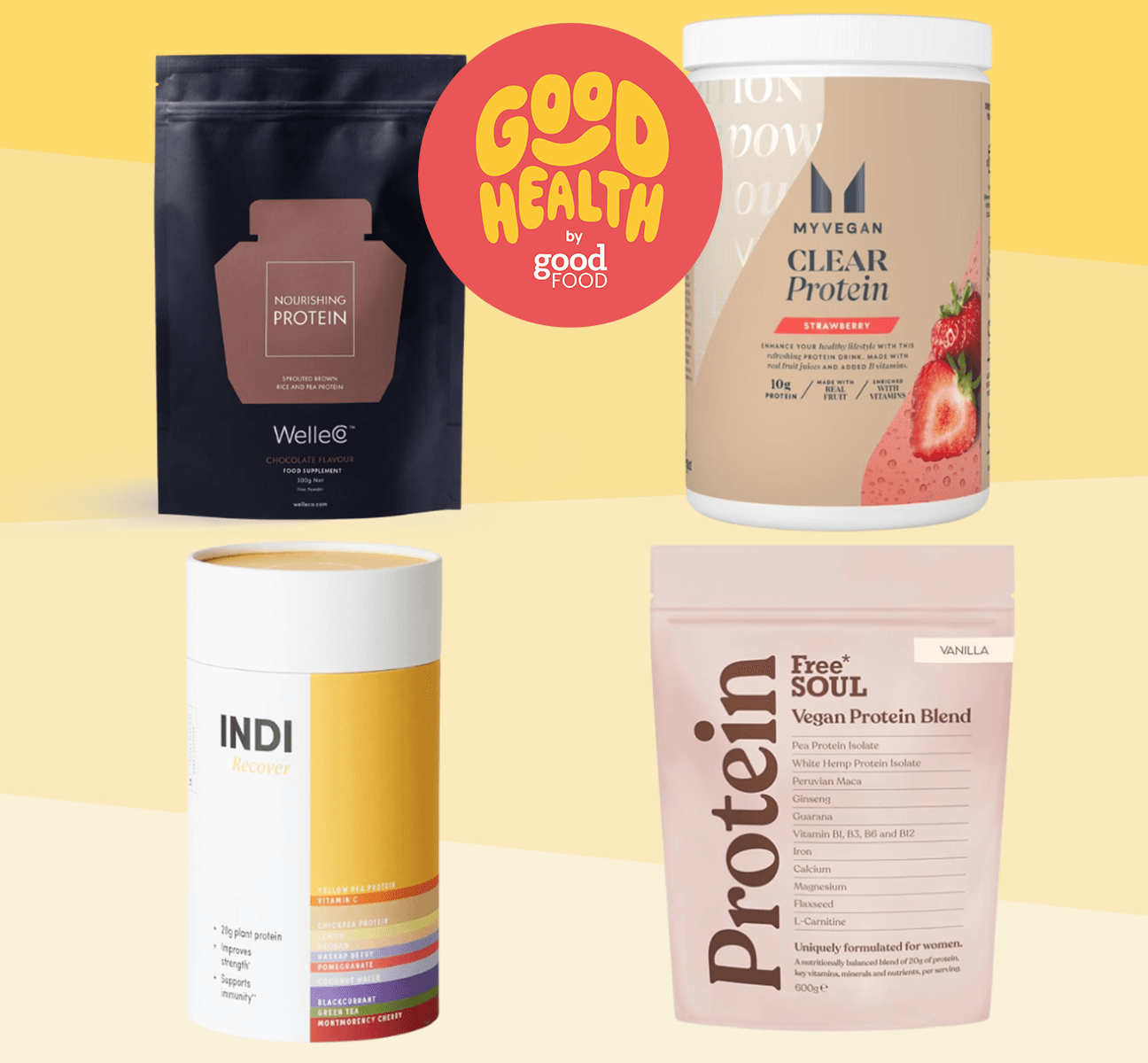
Top 10 Vegan Protein Powders (2026)
Ranking protein powders is tricky. "Best" depends entirely on individual needs and preferences. This list balances effectiveness, ingredient quality, taste, mixability, and price to give you a comprehensive overview. Prices are approximate and can vary.
1. OWYN Plant-Based Protein (Vanilla): OWYN consistently receives high marks for taste and mixability. Each serving (30g) provides 25g of protein and is free of common allergens. At roughly $2.50 per serving, it's a solid all-around choice. They offer a wide range of flavors and even ready-to-drink options.
2. Garden of Life Sport Organic Plant-Based Protein (Chocolate): Certified organic and NSF Certified for Sport, this powder is ideal for athletes. It delivers 30g of protein per serving, alongside added probiotics and digestive enzymes. The price point is around $3.00 per serving. It can be a little gritty for some.
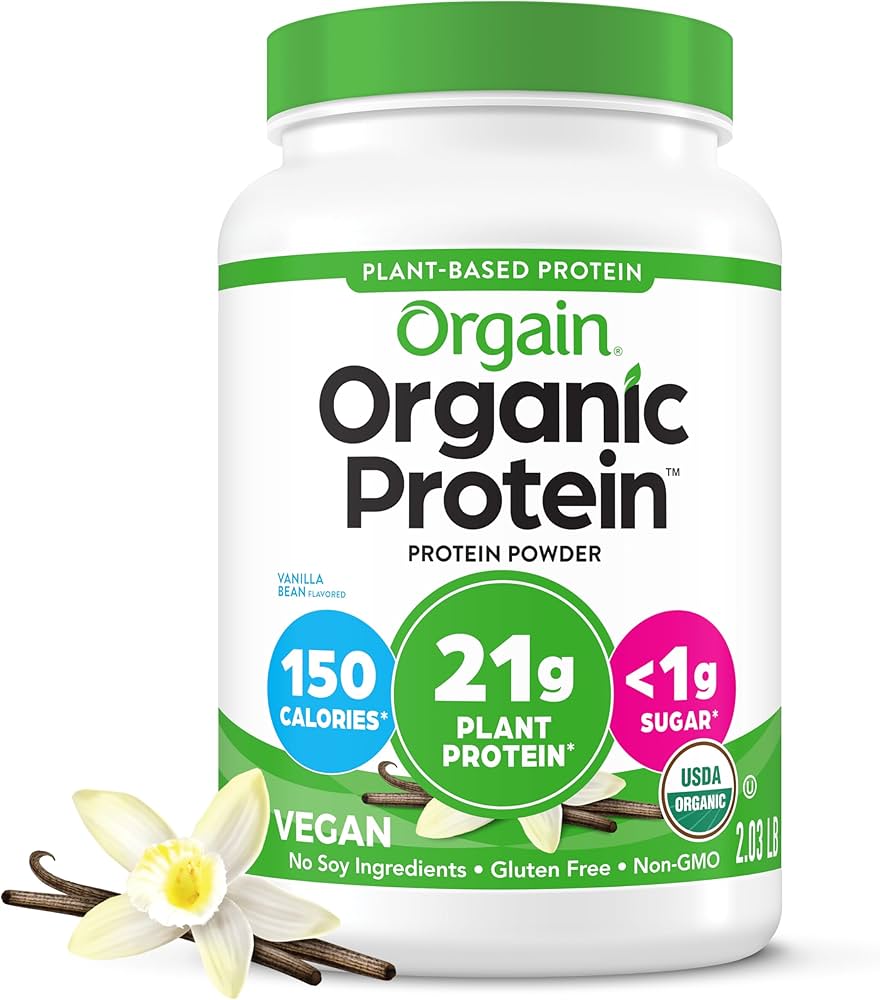
3. Orgain Organic Plant Based Protein Powder (Vanilla Bean): Orgain is a widely available and trusted brand. Their vanilla bean flavor is particularly popular, offering a smooth and creamy texture. Each serving (21g) contains 15g of protein and costs approximately $2.00 per serving.
4. Nuzest Clean Lean Protein (Pea): Nuzest utilizes a highly digestible pea protein isolate. It’s known for its clean ingredient list and minimal flavor, making it versatile for blending. One serving (25g) provides 20g of protein at around $2.75 per serving.
5. Vega Sport Premium Protein (Berry): Vega Sport is specifically designed for performance. It contains 30g of protein per serving, along with BCAAs and tart cherry to aid recovery. It’s on the pricier side, at around $3.50 per serving, but offers a robust nutritional profile.
6. Ritual Essential Protein Daily Shake 18+ (Vanilla): Ritual focuses on transparency and quality ingredients. Their protein powder is made with organic pea protein and contains a blend of essential amino acids. A serving (20g) provides 15g of protein and costs about $2.25.
7. Sprout Living Epic Protein (Chocolate Coconut): This powder features a blend of organic pea, brown rice, and chia seed protein. It’s known for its rich chocolate coconut flavor and creamy texture. Each serving (20g) delivers 17g of protein for approximately $3.25.
8. Gnarly Nutrition Vegan Protein (Chocolate): Gnarly Nutrition emphasizes whole-food ingredients and sustainable practices. Their vegan protein blend is designed for optimal absorption and recovery. A serving (25g) offers 20g of protein at roughly $2.80.
9. Complement Protein (Vanilla Bean): Complement stands out with its blend of pea protein, pumpkin seed protein, and sunflower seed protein. This combination provides a complete amino acid profile and a unique flavor. It’s around $2.60 per serving.
10. Nutiva Organic Hemp Protein (Unflavored): Hemp protein is a good source of omega-3 and omega-6 fatty acids. Nutiva's unflavored option is versatile and can be added to smoothies or baked goods. It provides 15g of protein per serving and costs approximately $1.80.
Featured Products

21g of plant-based protein per serving · 6g of prebiotic fiber · USDA Organic and Non-GMO certified
Orgain offers a smooth vanilla flavor with a good balance of protein and fiber, making it a versatile choice for everyday use.

Complete meal replacement with 28 servings · Contains organic sprouts, greens, and probiotics · Raw, plant-based formula with pea protein
Garden of Life provides a comprehensive nutritional profile, ideal for those seeking a meal replacement that goes beyond just protein.

30g of vegan protein per serving · Includes probiotics for digestive support · NSF Certified for Sport
Vega Protein + Recovery is a high-protein option with added probiotics and NSF certification, suitable for athletes and active individuals.
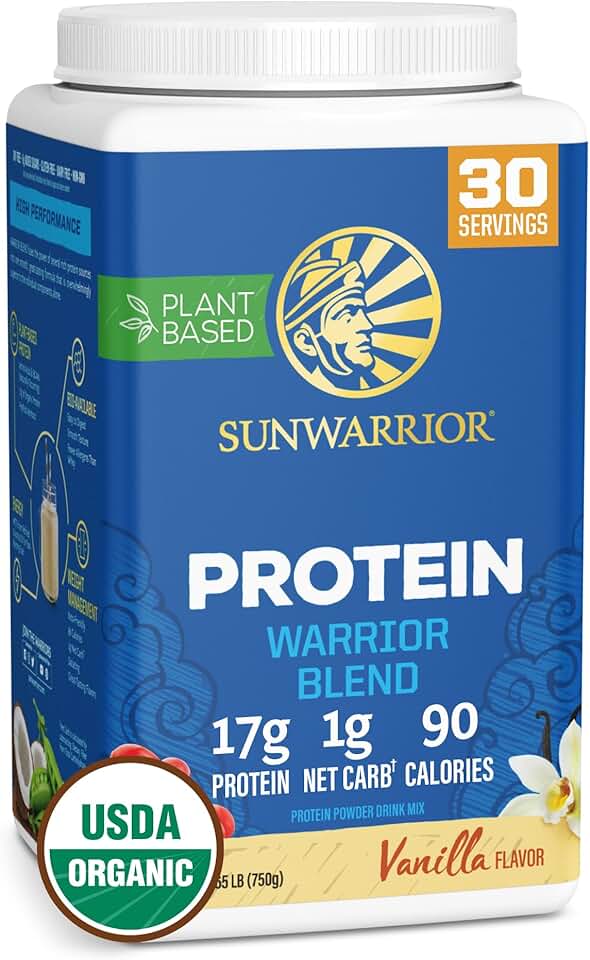
Organic plant-based protein blend including hemp seed · Rich in BCAAs (Branched-Chain Amino Acids) · Free from soy, dairy, gluten, and synthetic ingredients
Sunwarrior's Warrior Blend is praised for its clean ingredient list and comprehensive amino acid profile, offering a pure plant-based protein source.

Unique Chocolate Cereal Milk flavor · Blend of pea and organic pumpkin seed protein · Contains fiber and iron
GHOST Vegan V2 stands out with its distinctive flavor and a blend of pea and pumpkin seed protein, appealing to those looking for a tasty and effective post-workout option.
As an Amazon Associate I earn from qualifying purchases. Prices may vary.
Ingredient Deep Dive: Beyond Pea & Rice
For years, pea and rice protein have dominated the vegan protein market. They’re affordable, readily available, and offer a decent amino acid profile. However, other plant-based sources are gaining traction, each with its own unique benefits.
Hemp protein is a complete protein, meaning it contains all nine essential amino acids. It’s also a good source of fiber and omega-3 fatty acids. However, it can have a slightly earthy taste and a grainy texture. Pumpkin seed protein is rich in magnesium and zinc, and offers a good amino acid profile. It tends to have a mild, nutty flavor.
Sunflower seed protein is another excellent source of nutrients, including vitamin E and selenium. It's often well-tolerated and easy to digest. Chia seed protein, while lower in overall protein content, provides fiber and omega-3s. Sacha inchi protein is a relatively new player, boasting a complete amino acid profile and a smooth texture. It’s gaining popularity but can be more expensive.
The trend of protein blends is also significant. Combining multiple sources, like pea, rice, and hemp, can create a more complete amino acid profile and improve digestibility. This addresses the limitations of relying on a single protein source.
Essential Amino Acid Profiles of Common Vegan Protein Sources (per 100g Protein)
| Amino Acid | Pea Protein (g) | Brown Rice Protein (g) | Hemp Protein (g) | Pumpkin Seed Protein (g) | Sunflower Seed Protein (g) |
|---|---|---|---|---|---|
| Histidine | 2.2 | 1.7 | 1.6 | 1.4 | 1.2 |
| Isoleucine | 2.6 | 2.1 | 2.0 | 1.7 | 1.8 |
| Leucine | 3.2 | 2.8 | 2.6 | 2.2 | 2.4 |
| Lysine | 2.9 | 2.3 | 2.5 | 1.8 | 1.6 |
| Methionine | 1.3 | 1.4 | 1.2 | 0.9 | 1.1 |
| Phenylalanine | 2.7 | 2.4 | 2.3 | 1.9 | 2.1 |
| Threonine | 2.1 | 1.9 | 1.8 | 1.6 | 1.7 |
| Tryptophan | 0.8 | 0.7 | 0.9 | 0.6 | 0.7 |
Illustrative comparison based on the article research brief. Verify current pricing, limits, and product details in the official docs before relying on it.
Flavor & Mixability: The Real-World Test
Nutritional value is important, but a protein powder that tastes like chalk or clumps into a frustrating mess won't get used. Flavor and mixability are often overlooked, but they’re crucial for long-term adherence.
Chocolate and vanilla remain the most popular flavor options. Quality varies significantly. Some brands use natural flavorings, while others rely on artificial sweeteners. Berry flavors are also common, offering a refreshing alternative. It’s worth experimenting to find what you enjoy.
Texture can be a major issue. Some powders are naturally gritty, while others are smoother. Pea protein, in particular, can sometimes have a chalky texture. Using a blender bottle or a regular blender can significantly improve mixability. Adding liquid gradually can also help prevent clumping.
Don’t be afraid to try unflavored protein powders and add your own flavorings, like fruit, cocoa powder, or spices. This gives you more control over the taste and allows you to customize your protein shake.
- Use a blender bottle with a whisk ball.
- Add liquid gradually.
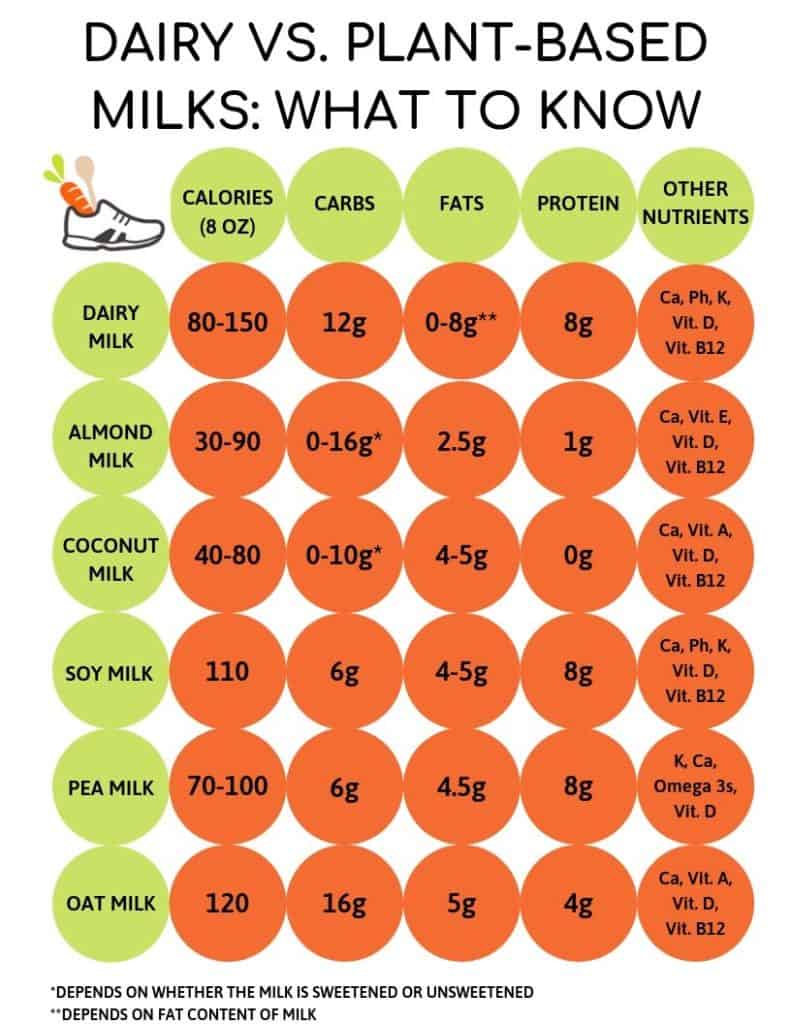
- Experiment with different liquid bases (water, almond milk, oat milk).
- Consider adding a small amount of fruit or yogurt for improved texture.
Cost Per Serving: Finding the Sweet Spot
Price is a significant consideration, but it shouldn’t be the sole deciding factor. A cheaper protein powder might seem appealing, but it could be lacking in essential nutrients or have a poor taste. It's about finding the sweet spot between price and value.
As noted earlier, prices range from around $1.80 per serving (Nutiva Hemp Protein) to $3.50 per serving (Vega Sport). Calculating the cost per serving allows for a more accurate comparison. Consider the protein content per serving when evaluating the price – a more concentrated powder might be more cost-effective in the long run.
Bulk buying and subscription services can often lead to significant savings. Many brands offer discounts for larger purchases or recurring deliveries. It’s worth exploring these options if you use protein powder regularly.
Price vs. Protein: Vegan Protein Powder Comparison (2026)
Data: AI-generated estimate for illustration
Protein Powders for Specific Needs
Different lifestyles and fitness goals require different nutritional support. Choosing a protein powder tailored to your specific needs can maximize its benefits.
For post-workout recovery, look for powders containing BCAAs (branched-chain amino acids) and glutamine. These nutrients help repair muscle tissue and reduce soreness. Weight management blends often include fiber to promote fullness and support healthy metabolism. Digestive health is supported by powders with added probiotics and digestive enzymes.
Meal replacement protein powders typically contain a blend of protein, carbohydrates, and healthy fats, providing a complete and balanced meal. Consider your activity level and dietary restrictions when making your selection. If you have allergies or sensitivities, choose a powder that is free of common allergens.
For example, someone focused on endurance training might benefit from a powder with added carbohydrates, while someone trying to build muscle might prioritize a higher protein content.
Standout Formulations: Worth a Closer Look
While the top 10 represent the best overall options, several other powders deserve attention for their unique qualities. These aren't necessarily "better" than the top contenders, but they offer something different.
Ora Organic So Lean & So Clean: This powder is certified organic and uses a blend of plant-based proteins, including pea, brown rice, and chia seed. It’s known for its commitment to sustainability and ethical sourcing. Their packaging is also notably eco-friendly.
Plenna Organic Plant Protein: Plenna offers a unique blend of organic pea, pumpkin seed, and sunflower seed proteins. They emphasize a minimalist ingredient list and a focus on digestibility. It's a good option for those with sensitive stomachs.
Axiom Foods Pea Pro 85: This is a highly concentrated pea protein isolate, offering a very high protein content per serving. It’s ideal for those who want a pure and potent protein source. It's less focused on flavor, appealing to those who add it to smoothies or recipes.
No comments yet. Be the first to share your thoughts!