
Why meal prep?
Do you ever feel like you’re constantly running out of time, and healthy eating always takes a backseat? You’re definitely not alone. Between work, family, and everything else life throws at you, it's easy to fall into the trap of quick, convenient – but often unhealthy – meals. But what if I told you there’s a way to eat delicious, nutritious vegan food without spending hours in the kitchen every day?
Vegan meal prep is exploding in popularity, and it’s not just a trend. In 2026, we’re seeing a real shift towards prioritizing well-being, and people are realizing that what we eat has a huge impact on our health, the environment, and even our wallets. It’s about taking control of your food, rather than letting your schedule dictate your choices.
The benefits are pretty compelling. Beyond the obvious health advantages of a plant-based diet – lower risk of heart disease, type 2 diabetes, and certain cancers – meal prepping saves you serious money. Think about all those impulse takeout orders you can avoid! Plus, reducing your reliance on pre-packaged foods minimizes plastic waste, which is a win for the planet.
This plan focuses on flavorful, satisfying meals that make plant-based eating feel easy and sustainable.
Your prep toolkit
Before we jump into the meal plan, let’s talk tools. You don’t need a fancy kitchen to be a successful meal prepper, but a few key items will make your life a lot easier. A good set of knives is non-negotiable – a chef’s knife, a paring knife, and a serrated knife will cover most of your needs. Invest in a couple of quality cutting boards, one for produce and one for meats (even though we’re vegan, avoiding cross-contamination is good practice).
Airtight containers are your best friend. I prefer glass containers for several reasons – they don’t stain, they don’t absorb odors, and they’re more sustainable than plastic. However, plastic containers are lighter and more affordable. Look for BPA-free options if you choose plastic. I'm a big fan of Pyrex and Rubbermaid Brilliance, but there are tons of great brands out there.
A food processor or blender can save you a ton of time, especially for things like making sauces, dips, or smoothies. They aren’t essential, but they’re definitely helpful. Beyond the tools, mastering a few time-saving techniques is crucial. Batch cooking – preparing a large quantity of a single item – is a game-changer. Roasting a whole tray of vegetables or cooking a big pot of grains can provide the base for multiple meals.
Ingredient overlap is another smart strategy. Use the same base ingredients in different ways throughout the week. For example, roasted sweet potatoes can be used in salads, bowls, or as a side dish. Finally, plan your grocery shopping carefully. Make a list, stick to it, and consider buying in bulk for staples like grains, beans, and nuts.
- Sharp chef’s knife
- Paring knife
- Serrated knife
- Multiple cutting boards
- Airtight containers (glass or BPA-free plastic)
- Food processor or blender (optional)
A week of plant-based meals
Here's a 7-day vegan meal plan designed to take the guesswork out of healthy eating. Each day has a theme to keep things interesting, and the meals are balanced and flavorful. Prep time estimates are included to give you an idea of the time commitment. I’ve aimed for recipes that can be largely prepped on the weekend, leaving you with quick assembly during the week.
Monday: Mediterranean Magic. Breakfast: Overnight oats with berries and seeds (5 mins prep). Lunch: Quinoa salad with chickpeas, cucumber, tomatoes, and lemon-tahini dressing (15 mins prep). Dinner: Lentil soup with whole-wheat bread (30 mins prep). Snack: Apple slices with almond butter.
Tuesday: Taco Tuesday. Breakfast: Tofu scramble with spinach and black beans (10 mins prep). Lunch: Leftover lentil soup. Dinner: Black bean tacos with all the fixings (20 mins prep). Snack: Carrot sticks with hummus. Wednesday: Asian Inspiration. Breakfast: Smoothie with banana, spinach, and plant-based protein powder (5 mins prep). Lunch: Rice noodle salad with peanut sauce and tofu (20 mins prep). Dinner: Stir-fry with brown rice and a variety of vegetables (25 mins prep). Snack: Edamame.
Thursday: Comfort Food. Breakfast: Whole-wheat toast with avocado and everything bagel seasoning (5 mins prep). Lunch: Leftover stir-fry. Dinner: Vegan mac and cheese with a side salad (35 mins prep). Snack: Popcorn. Friday: Pizza Night. Breakfast: Chia seed pudding with fruit (5 mins prep). Lunch: Salad with chickpeas and a balsamic vinaigrette. Dinner: Homemade vegan pizza (30 mins prep). Snack: Vegan yogurt.
Saturday: Global Flavors. Breakfast: Pancakes with fruit and maple syrup (15 mins prep). Lunch: Leftover vegan pizza. Dinner: Curry with brown rice (40 mins prep). Snack: Trail mix. Sunday: Simple & Satisfying. Breakfast: Breakfast burritos with tofu and black beans (20 mins prep). Lunch: Big salad with leftover curry. Dinner: Roasted vegetables with quinoa and a tahini dressing (30 mins prep). Snack: Fruit salad.
7-Day Vegan Meal Prep Plan – 2026
| Day | Breakfast | Lunch | Dinner | Snack 1 | Snack 2 | Total Prep Time (approximate) |
|---|---|---|---|---|---|---|
| Monday | Overnight Oats with Berries & Seeds | Quinoa Salad with Roasted Vegetables | Lentil Shepherd's Pie | Apple slices with Almond Butter | Small handful of Walnuts | 60-75 minutes |
| Tuesday | Tofu Scramble with Spinach & Whole-Wheat Toast | Leftover Lentil Shepherd's Pie | Black Bean Burgers on Whole-Wheat Buns with Sweet Potato Fries | Orange | Rice Cakes with Avocado | 45-60 minutes |
| Wednesday | Chia Seed Pudding with Mango | Chickpea Salad Sandwich on Whole-Grain Bread | Vegetable Stir-Fry with Tofu & Brown Rice | Banana | Edamame | 50-65 minutes |
| Thursday | Whole-Wheat Pancakes with Fruit | Leftover Vegetable Stir-Fry | Vegan Chili with Cornbread | Pear | Trail Mix (nuts, seeds, dried fruit) | 65-80 minutes |
| Friday | Smoothie (Spinach, Banana, Plant-Based Milk, Protein Powder) | Large Salad with Mixed Greens, Beans, and a Lemon-Tahini Dressing | Vegan Pizza on Whole-Wheat Crust with Plenty of Veggies | Grapes | Popcorn | 55-70 minutes |
| Saturday | Breakfast Burrito (Tofu, Black Beans, Salsa, Avocado) | Leftover Vegan Pizza | Pasta Primavera with a Creamy Cashew Sauce | Carrot Sticks with Hummus | Small Vegan Cookie | 70-85 minutes |
| Sunday | Vegan Waffles with Maple Syrup & Fruit | Soup and Salad (Vegetable Soup & Mixed Greens) | Roasted Vegetable & Chickpea Curry with Basmati Rice | Peach | Soy Yogurt | 60-75 minutes |
Illustrative comparison based on the article research brief. Verify current pricing, limits, and product details in the official docs before relying on it.
Recipe details
Here are the recipes. Overnight Oats: Combine 1/2 cup rolled oats, 1 cup plant-based milk, 1 tablespoon chia seeds, and 1/2 teaspoon vanilla extract in a jar or container. Stir well and refrigerate overnight. Top with berries and seeds before serving. (Approx. 250 calories, 10g protein, 40g carbs, 8g fat).
Next, the Lentil Soup. Lentil Soup: Sauté 1 diced onion, 2 diced carrots, and 2 diced celery stalks in olive oil. Add 1 cup red lentils, 4 cups vegetable broth, 1 teaspoon cumin, and 1/2 teaspoon turmeric. Bring to a boil, then reduce heat and simmer for 20-25 minutes, or until lentils are tender. (Approx. 300 calories, 18g protein, 50g carbs, 5g fat).
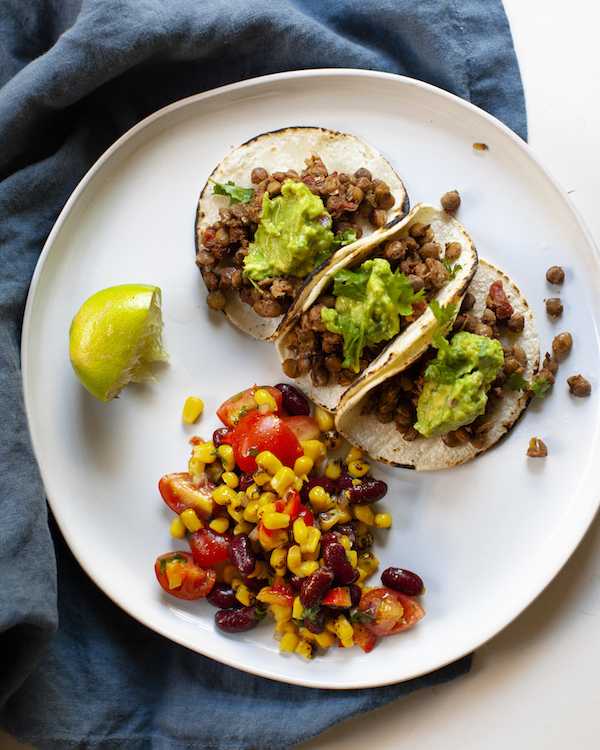
For the Black Bean Tacos, you'll need Black Bean Tacos: Mash 1 can of black beans with 1 teaspoon chili powder and 1/2 teaspoon cumin. Heat in a skillet. Serve in tortillas with your favorite toppings: salsa, avocado, lettuce, and vegan sour cream. (Approx. 350 calories, 15g protein, 60g carbs, 10g fat). The Rice Noodle Salad is a refreshing lunch option. Rice Noodle Salad: Cook rice noodles according to package directions. Toss with shredded carrots, chopped cucumber, chopped bell peppers, and a peanut sauce made from peanut butter, soy sauce, rice vinegar, and maple syrup. Add cubed tofu for protein. (Approx. 400 calories, 20g protein, 50g carbs, 15g fat).
The Vegan Mac and Cheese requires a little more effort, but it's worth it. Vegan Mac and Cheese: Make a cashew-based cheese sauce by blending soaked cashews, nutritional yeast, lemon juice, and spices. Toss with cooked macaroni and bake until bubbly. (Approx. 450 calories, 15g protein, 60g carbs, 20g fat). For the Curry, Curry: Sauté onion, garlic, and ginger in coconut oil. Add curry powder, diced tomatoes, coconut milk, and your favorite vegetables (potatoes, cauliflower, peas). Simmer until vegetables are tender. Serve with brown rice. (Approx. 400 calories, 10g protein, 50g carbs, 20g fat).
The Homemade Vegan Pizza is a fun weekend treat. Homemade Vegan Pizza: Use pre-made pizza dough or make your own. Top with tomato sauce, vegan cheese, and your favorite vegetables. Bake until golden brown. (Approx. 350 calories, 10g protein, 50g carbs, 15g fat). Remember to adjust seasonings to your liking and feel free to experiment with different vegetables and toppings.
Your grocery list
To make your grocery shopping trip as efficient as possible, here’s a categorized list based on the 7-day meal plan. This will help you navigate the store and avoid forgetting anything. Remember to check your pantry first to see what you already have!
Produce: Apples, bananas, berries, spinach, lettuce, tomatoes, cucumbers, carrots, celery, onion, garlic, ginger, sweet potatoes, avocado, bell peppers. Pantry: Rolled oats, chia seeds, quinoa, brown rice, rice noodles, lentils, black beans, canned diced tomatoes, vegetable broth, peanut butter, maple syrup, soy sauce, rice vinegar, spices (cumin, turmeric, chili powder, curry powder, nutritional yeast, everything bagel seasoning).
Refrigerated: Plant-based milk, tofu, vegan yogurt, vegan cheese, vegan sour cream. Frozen: Edamame, peas. Buying in bulk can save you money on staples like grains, beans, and nuts. Look for seasonal produce – it’s usually cheaper and tastes better. Don’t be afraid to substitute ingredients if something is unavailable or too expensive. Canned beans can be used instead of dried beans, and different types of vegetables can be swapped out based on your preferences.
Reducing food waste is key. Plan your meals around ingredients that can be used in multiple dishes. Store leftovers properly and repurpose them into new meals. For example, leftover roasted vegetables can be added to salads or stir-fries.
Troubleshooting
Meal prepping isn’t always smooth sailing. Life happens, and things don’t always go according to plan. One of the biggest challenges is lack of time. If you’re short on time, focus on prepping the components that take the longest – cooking grains, roasting vegetables, and making sauces. You can then quickly assemble meals throughout the week.
Picky eaters can be another hurdle. Involve them in the meal planning process and let them choose some of the recipes. Start with familiar flavors and gradually introduce new ones. Ingredient substitutions are often necessary. If you’re allergic to nuts, use sunflower seed butter instead of almond butter. If you’re gluten-free, use gluten-free pasta and tortillas.
Dealing with leftovers is an art form. Don’t just reheat the same meal over and over again. Get creative! Leftover roasted vegetables can be added to frittatas or omelets. Leftover grains can be used in salads or soups. Leftover beans can be mashed and spread on toast.
It’s okay if you miss a prep day or deviate from the plan. Don’t beat yourself up about it. Just get back on track as soon as possible. Meal prep is about making healthy eating easier, not adding more stress to your life. Remember, flexibility is key.
Keeping it going
So, you’ve successfully completed a week of vegan meal prep. Congratulations! Now what? The key to making this a sustainable habit is to continue planning and experimenting. Don’t get stuck in a rut. Rotate your recipes regularly to keep things interesting.
Find new recipes online, in cookbooks, or from friends. Consider joining a vegan meal planning community for inspiration and support. Websites like Minimalist Baker and Oh She Glows offer vegan recipes.
undefined If you find that you’re consistently having leftovers, reduce the portion sizes. If you’re always craving something sweet, add a healthy dessert to your meal plan. Remember, this is your journey, and you should tailor it to fit your lifestyle.
View meal prep as a long-term lifestyle change, not just a temporary fix. It’s about investing in your health, your well-being, and the planet. By making small, consistent changes, you can create a sustainable habit that will benefit you for years to come. Keep exploring, keep learning, and keep enjoying the delicious world of plant-based eating!
What's your biggest challenge with vegan meal prep?
Vote below and tell us what makes plant-based meal prep hardest for you.
No comments yet. Be the first to share your thoughts!