

Protein Beyond the Basics
Tofu and tempeh are vegan staples for a reason. They’re versatile, readily available, and offer a good dose of protein. However, relying solely on these two ingredients limits the incredible diversity of plant-based protein sources available. This guide aims to expand your culinary toolkit and optimize your vegan nutrition.
The concept of "complete proteins" – foods containing all nine essential amino acids – has caused unnecessary stress for plant-based eaters. Fortunately, you do not need to combine specific foods at every meal to get adequate protein. A varied vegan diet throughout the day will naturally provide all the amino acids your body needs.
Interest is growing in underutilized legumes, ancient grains, and innovative sources like water lentils. Consumers are seeking not just protein quantity, but also protein quality – considering digestibility, amino acid profiles, and sustainability. This guide explores these options, offering a comprehensive look at fueling your vegan lifestyle.
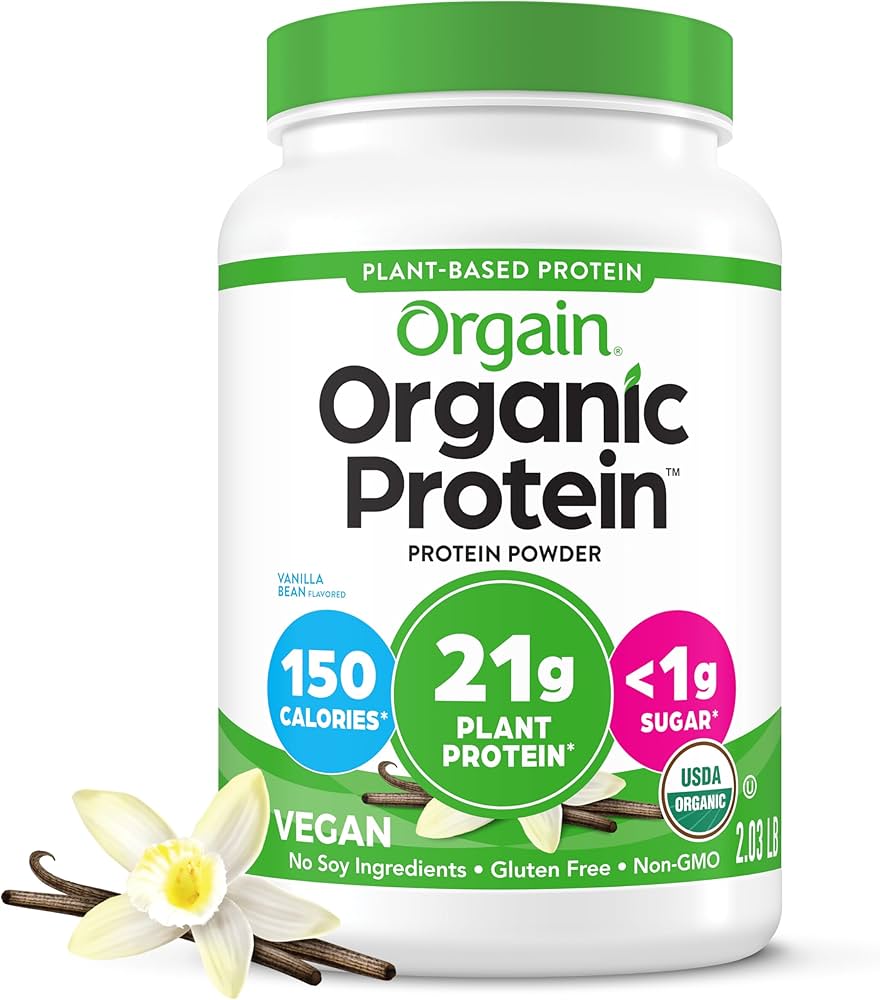
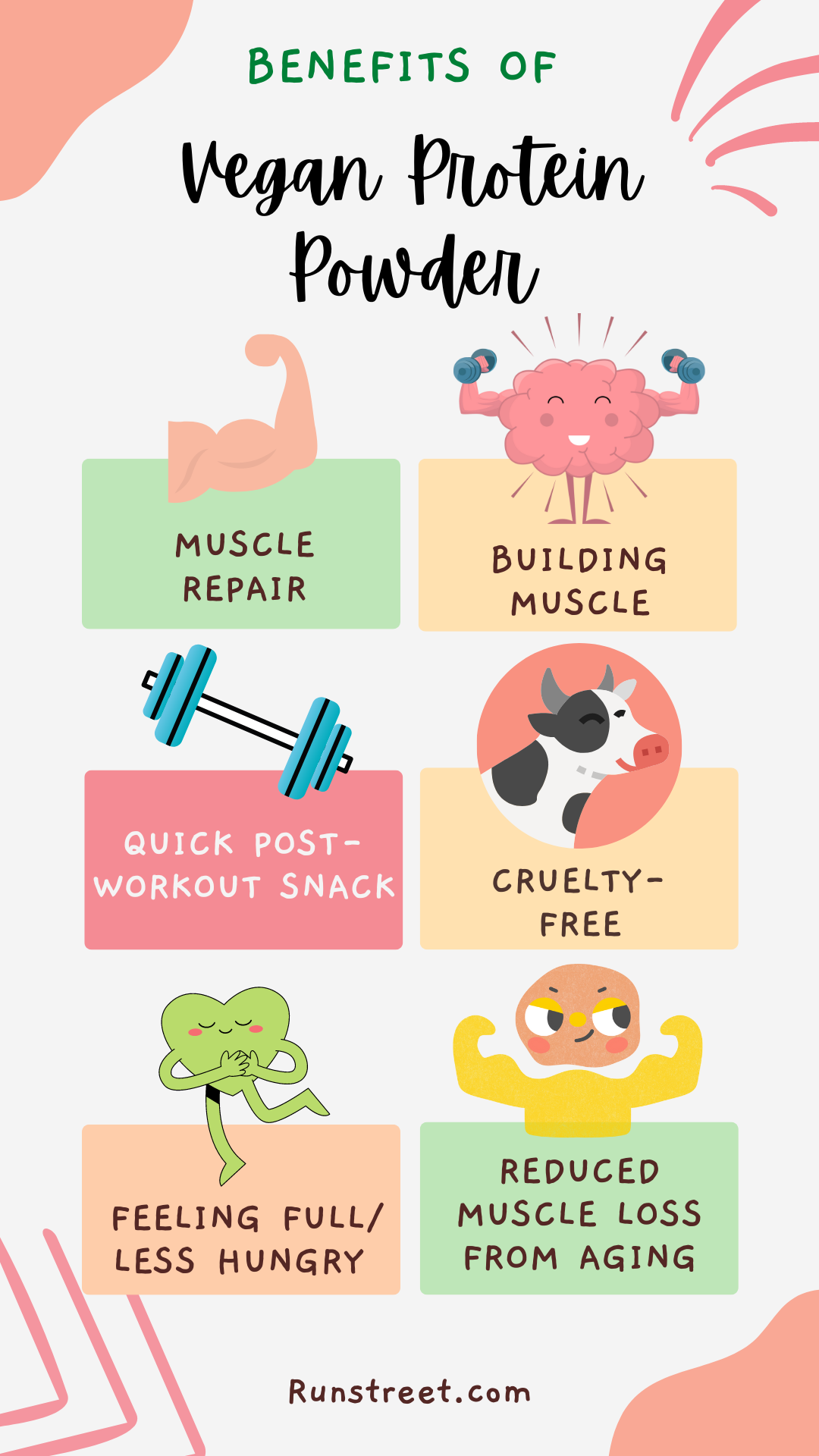
The vegan protein market is responding to this demand. Some brands focus on sports nutrition with vegan protein blends designed for optimal recovery, emphasizing clean ingredients and complete amino acid profiles. This reflects a broader trend of vegan protein moving beyond simply being a substitute and becoming a performance-enhancing component of a healthy diet.
The Legume Powerhouse: Beyond Chickpeas
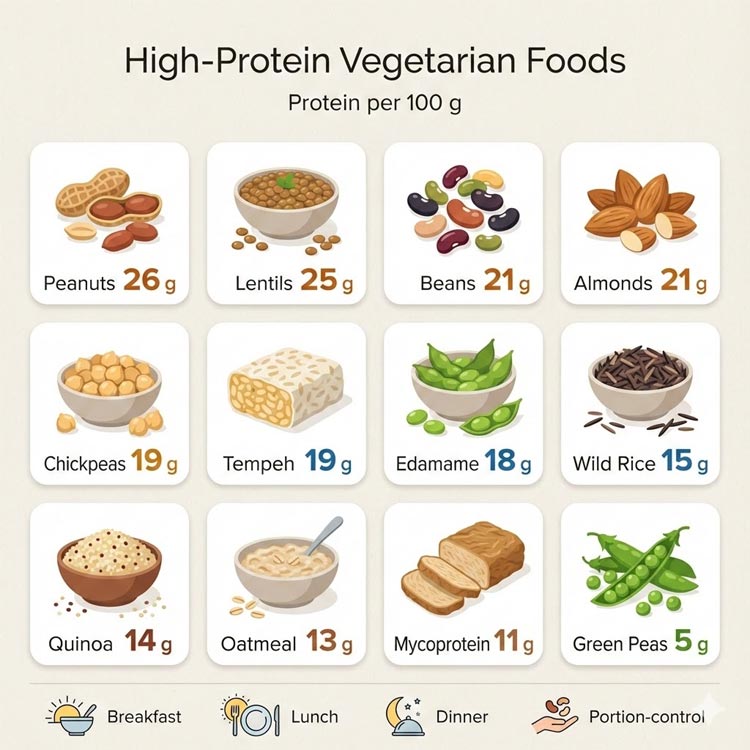
Legumes are arguably the most underrated heroes of the vegan diet. They are packed with protein, fiber, complex carbohydrates, and essential micronutrients. While chickpeas get a lot of love – and rightfully so – there's a whole world of legumes waiting to be explored. Expanding your legume repertoire is a fantastic way to boost your protein intake and add variety to your meals.
Let’s start with lentils. Red lentils cook quickly and break down into a creamy texture, perfect for soups and stews. Green and brown lentils hold their shape better, making them ideal for salads and side dishes. Black lentils (beluga lentils) are particularly striking in appearance and have a slightly earthy flavor. A one-cup serving of cooked lentils provides around 18 grams of protein.
Beans are equally versatile. Kidney beans are classic in chili, black beans are great in tacos, and pinto beans are a staple in Mexican cuisine. Cannellini beans are creamy and delicious in pasta dishes. Don't overlook lesser-known options like adzuki beans, used in Japanese sweets, or mung beans, common in Indian cuisine. One cup of cooked kidney beans offers approximately 15 grams of protein.
Beyond protein, legumes offer significant fiber benefits. This fiber aids digestion, promotes gut health, and helps you feel fuller for longer. They’re also an incredibly affordable protein source, making them accessible to everyone. The Vegan Society notes that legumes are a cornerstone of a well-planned vegan diet, providing a sustainable and nutritious source of protein.
- Red Lentils: 18g protein per cup (cooked)
- Green Lentils: 18g protein per cup (cooked)
- Black Beans: 15g protein per cup (cooked)
- Kidney Beans: 15g protein per cup (cooked)
Vegan Legume Protein Comparison (per 100g cooked)
| Legume | Protein (g) | Fiber (g) | Approximate Cost (per pound) | Versatility (1-5) |
|---|---|---|---|---|
| Lentils (Brown) | 9g | 8g | Around $1.50 - $2.50 | 5 |
| Chickpeas | 7g | 6g | Around $1.00 - $2.00 | 4 |
| Black Beans | 7g | 8g | Around $0.80 - $1.80 | 4 |
| Kidney Beans | 8g | 6g | Around $0.75 - $1.75 | 3 |
| Pinto Beans | 7g | 7g | Around $0.70 - $1.60 | 3 |
| Edamame (Shelled) | 11g | 5g | Around $2.50 - $4.00 | 4 |
| Split Peas | 8g | 8g | Around $1.20 - $2.20 | 3 |
Illustrative comparison based on the article research brief. Verify current pricing, limits, and product details in the official docs before relying on it.
Ancient Grains: Quinoa and Beyond
Quinoa has earned its reputation as a vegan protein powerhouse, and for good reason. It’s a complete protein, meaning it contains all nine essential amino acids. However, limiting yourself to just quinoa means missing out on the nutritional benefits of other ancient grains and seeds. These alternatives offer unique flavors, textures, and nutrient profiles.
Amaranth is a tiny grain with a slightly nutty flavor and a good source of iron and calcium, in addition to providing around 9 grams of protein per cooked cup. Teff, originating from Ethiopia, is another excellent option, boasting a slightly molasses-like flavor and a good source of calcium and iron, offering approximately 10 grams of protein per cooked cup.
Spelt and farro are ancient forms of wheat, offering a chewy texture and a slightly sweet flavor. They are excellent in salads, soups, and as a side dish. Buckwheat, despite its name, is not related to wheat and is gluten-free. It has a distinctive earthy flavor and is often used to make soba noodles. A cup of cooked buckwheat delivers around 6 grams of protein.
These grains aren’t just about protein; they also provide valuable fiber, complex carbohydrates, and micronutrients. Incorporating them into your diet is a simple way to boost your overall nutritional intake. Experiment with using them in breakfast porridge, lunch salads, or as a base for dinner bowls.
Seitan & Wheat Gluten: The Meat Imposter
Seitan, often called "wheat meat," is a high-protein food made from vital wheat gluten. The process involves washing wheat flour dough with water to remove the starch, leaving behind the gluten. This gluten is then kneaded, seasoned, and cooked, resulting in a firm, chewy texture that resembles meat.
Seitan is exceptionally high in protein, providing around 25 grams per 3.5-ounce serving. Its neutral flavor makes it incredibly versatile – it readily absorbs marinades and sauces, allowing you to create a wide range of dishes. You can use it in stir-fries, sandwiches, roasts, or even as a substitute for chicken or beef.
However, seitan is not suitable for individuals with celiac disease or gluten sensitivities. It’s crucial to be aware of this limitation. It's also important to note that seitan doesn't offer the same range of micronutrients as other protein sources, so it’s best consumed as part of a balanced diet.
Making seitan from scratch can seem daunting, but it is a relatively straightforward process. Many pre-made seitan products are also available, offering a convenient option for those short on time. Experiment with different seasonings and cooking methods to discover your favorite seitan recipes.
- Protein Content: Approximately 25g per 3.5oz serving
- Gluten Content: High – not suitable for those with celiac disease or gluten sensitivities
Seeds & Nuts: Small Packages, Big Protein
Nuts and seeds are nutritional powerhouses, offering protein, healthy fats, fiber, and a range of vitamins and minerals. While almonds and walnuts are popular choices, venturing beyond the usual suspects can unlock more nutritional benefits. Hemp seeds, chia seeds, flax seeds, pumpkin seeds, sunflower seeds, and sesame seeds all deserve a place in your vegan pantry.
Hemp seeds are a complete protein, containing all nine essential amino acids. They have a mild, nutty flavor and can be easily added to smoothies, salads, or yogurt. Chia seeds are packed with fiber and omega-3 fatty acids; they form a gel-like consistency when soaked in liquid. Flax seeds are another excellent source of omega-3s and fiber, but they need to be ground to be properly digested.
Pumpkin and sunflower seeds are rich in magnesium and zinc, important minerals for overall health. Sesame seeds are a good source of calcium and iron. A one-ounce serving of hemp seeds provides around 10 grams of protein, while chia and flax seeds offer around 5 grams each.
Nut butters are a convenient way to incorporate nuts into your diet. Spread almond butter on toast, add peanut butter to smoothies, or use tahini (sesame seed paste) in dressings and sauces. Choose nut butters with no added sugar or oil.
Edamame & Soybeans: Versatile & Complete
While tofu and tempeh often take center stage, the soybean itself appears in many other forms. Edamame, which are young soybeans in their pods, are a delicious and convenient snack, offering a complete protein source. Steaming or boiling edamame is a simple way to enjoy this nutritional powerhouse.
A one-cup serving of shelled edamame provides around 18 grams of protein. They are also a good source of fiber, iron, and folate. Edamame can be added to salads, stir-fries, or enjoyed on their own with a sprinkle of sea salt.
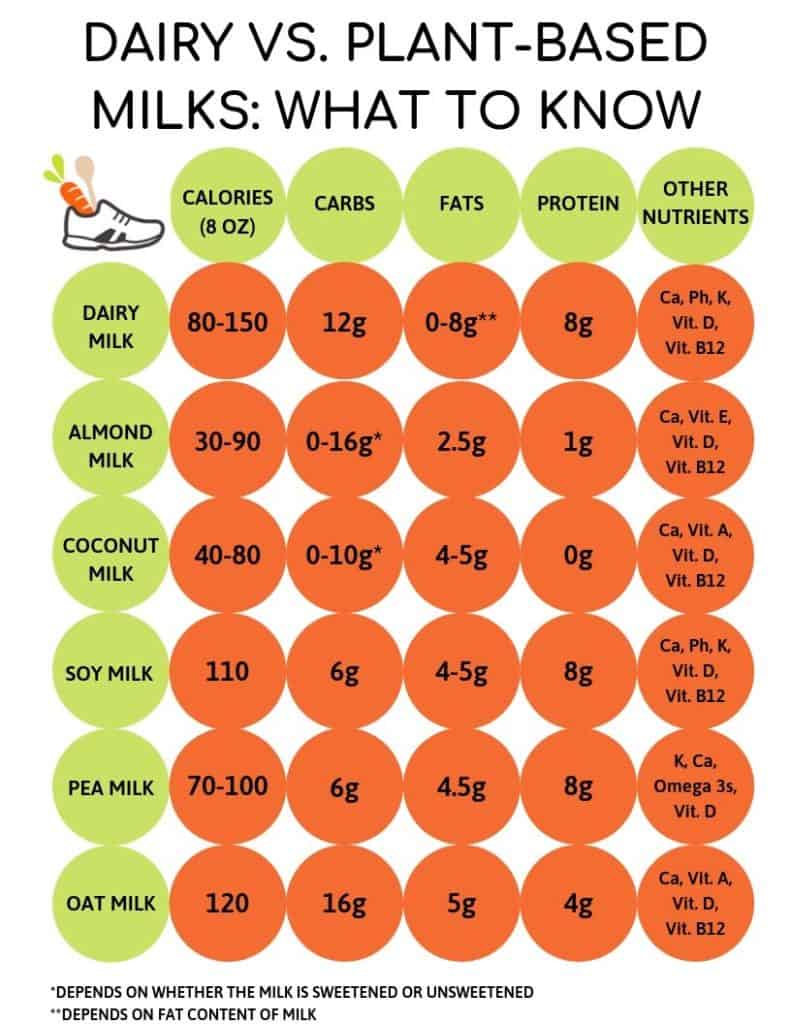
Whole soybeans are also a fantastic option, offering similar nutritional benefits to edamame. Soy milk, made from soybeans and water, is a widely available and affordable source of plant-based protein. A one-cup serving of soy milk contains around 7-8 grams of protein.
Despite some lingering misconceptions, soy is a safe and healthy food for most people. Research has consistently shown that soy consumption does not have adverse effects on hormone levels. Soy may offer protective benefits against certain types of cancer.
Emerging Protein Sources: 2026 and Beyond
Several emerging protein sources are gaining traction. Spirulina, a blue-green algae, is nutrient-dense, containing a significant amount of protein (around 4 grams per tablespoon) and various vitamins and minerals. It is often consumed as a powder added to smoothies or juices.
Nutritional yeast, often called "nooch,’ is a deactivated yeast with a cheesy flavor. It’s a complete protein and a good source of B vitamins. It"s commonly used to make vegan cheese sauces or sprinkled on popcorn. Water lentils, like those grown by companies like Lemna, are a promising new protein source. These tiny aquatic plants are incredibly fast-growing and packed with protein and nutrients.
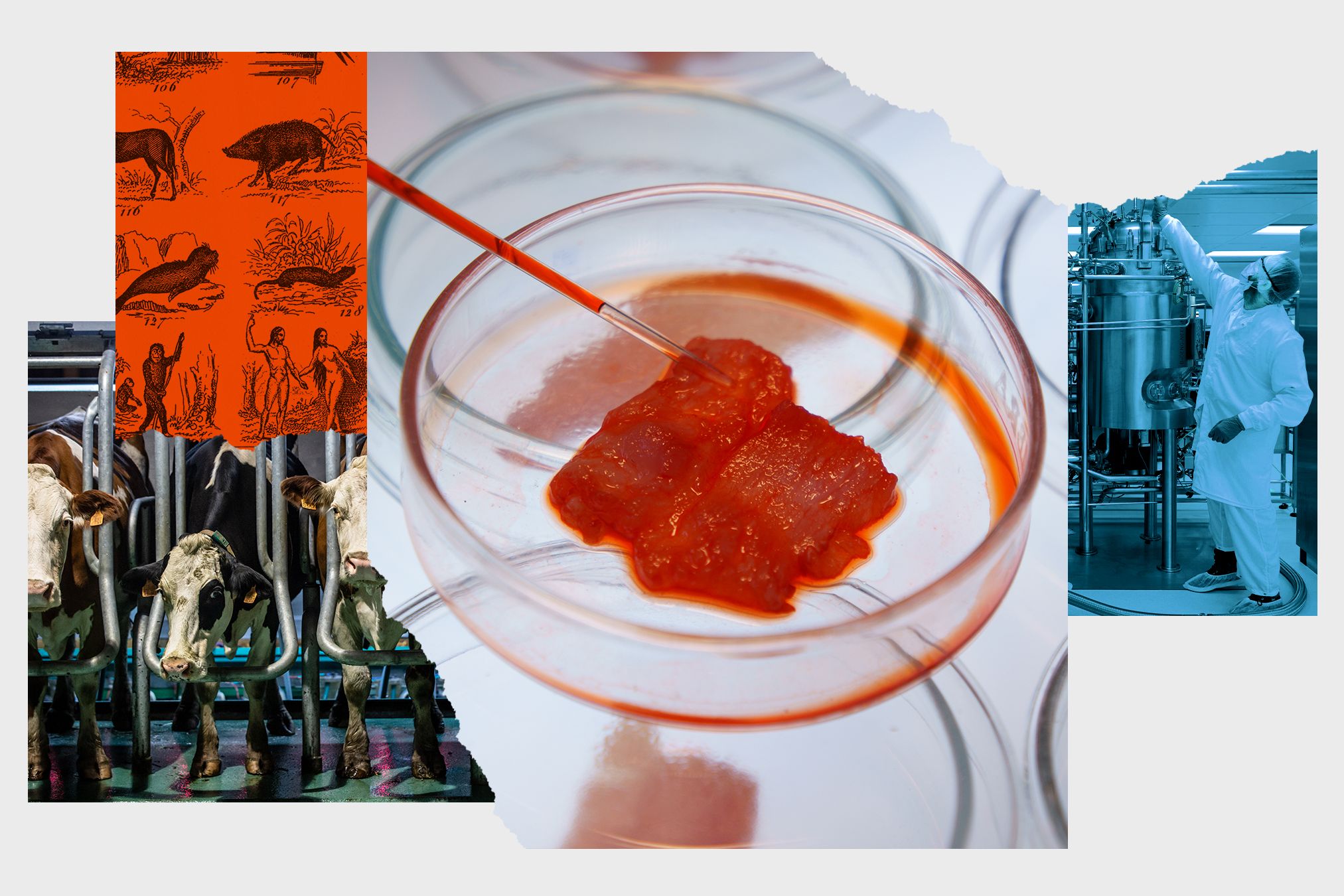
The idea of insect protein is also gaining some acceptance, driven by its sustainability and high protein content. While it may not appeal to everyone, insect-based protein powders and snacks are becoming increasingly available. However, consumer acceptance remains a significant hurdle.
These emerging sources present both opportunities and challenges. Spirulina and nutritional yeast are relatively easy to incorporate into the diet, while water lentils and insect protein require further development and wider availability. Sustainability is a key factor driving interest in these alternatives, but cost and palatability also play crucial roles.
Which of these emerging vegan protein sources have you tried or are you most interested in trying in 2026?
As plant-based protein options continue to expand well beyond tofu and tempeh, we want to know which newer sources are catching your attention. Whether you have already incorporated them into your meals or they are still on your radar, vote below and let us know where your curiosity lies!
Building a Balanced Plate: Protein Combinations
Forget the outdated notion that you need to meticulously combine specific plant-based foods at every meal to get "complete" protein. Your body is remarkably efficient at pooling amino acids throughout the day. The key is to consume a variety of plant-based proteins over the course of 24 hours.
A balanced vegan plate should include a combination of protein sources, complex carbohydrates, and healthy fats. For example, a meal of lentil soup with whole-grain bread and a side salad provides a good balance of nutrients. Another option is a quinoa bowl with black beans, roasted vegetables, and a tahini dressing.
Don't be afraid to experiment with different combinations. A smoothie with hemp seeds, spinach, and fruit is a quick and easy way to boost your protein intake. A salad with chickpeas, sunflower seeds, and a lemon vinaigrette is another delicious and nutritious option. The possibilities are endless.
Ultimately, the most important thing is to focus on overall dietary diversity. By incorporating a wide range of plant-based foods into your diet, you can ensure you're getting all the essential amino acids - and all the other nutrients - your body needs to thrive. Remember that prioritizing whole, unprocessed foods will always be the best approach.
No comments yet. Be the first to share your thoughts!