Building a balanced vegan plate
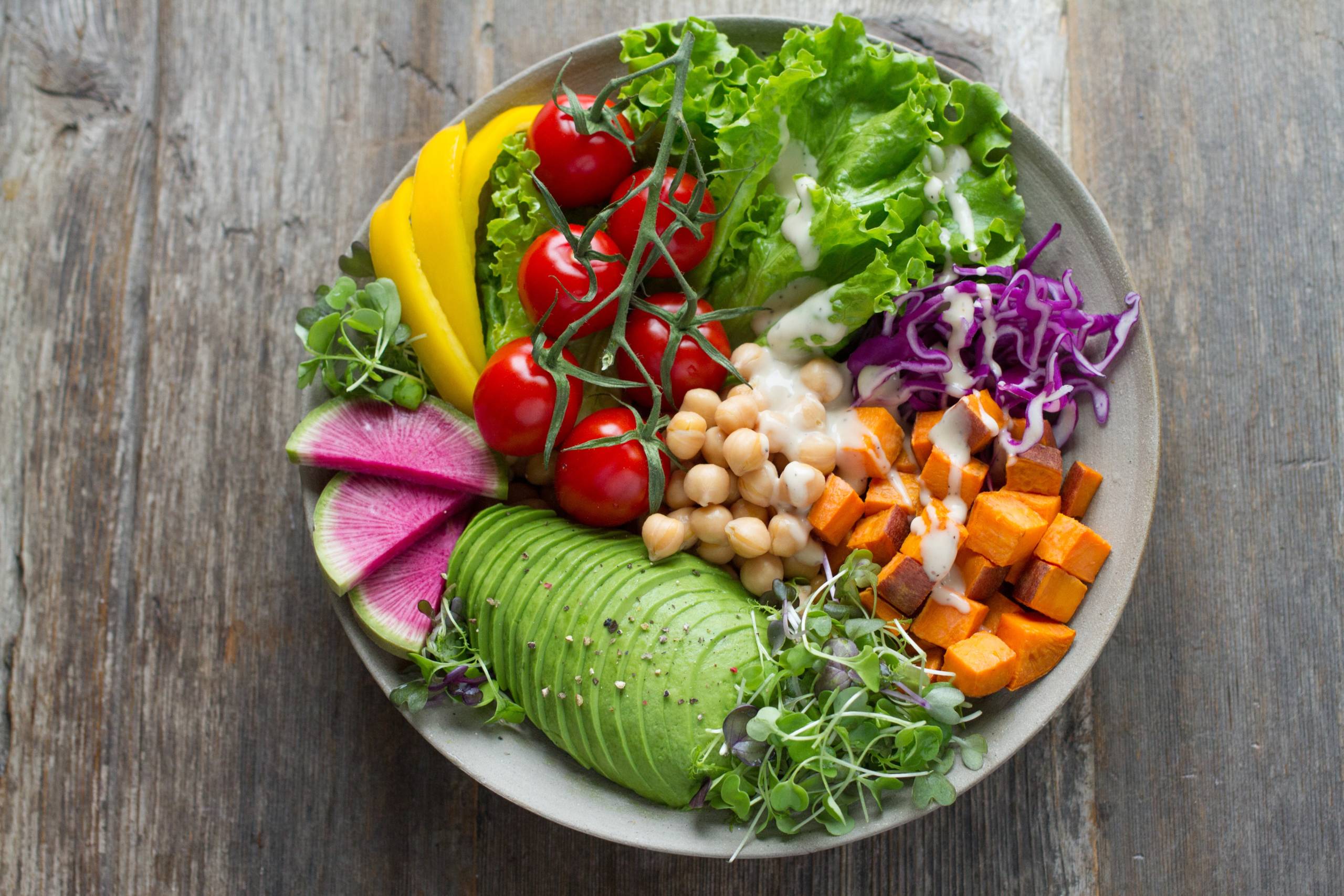
Vegan nutrition starts with a simple visual framework: the plate. Rather than counting calories or obsessing over macros, this approach ensures you get the full spectrum of nutrients by focusing on whole, plant-based foods. The NHS emphasizes that a healthy vegan diet is built on vegetables, fruits, whole grains, beans, and nuts, avoiding foods that come from animals. By structuring your meal around these core groups, you naturally create a diet rich in fiber and lower in saturated fat.
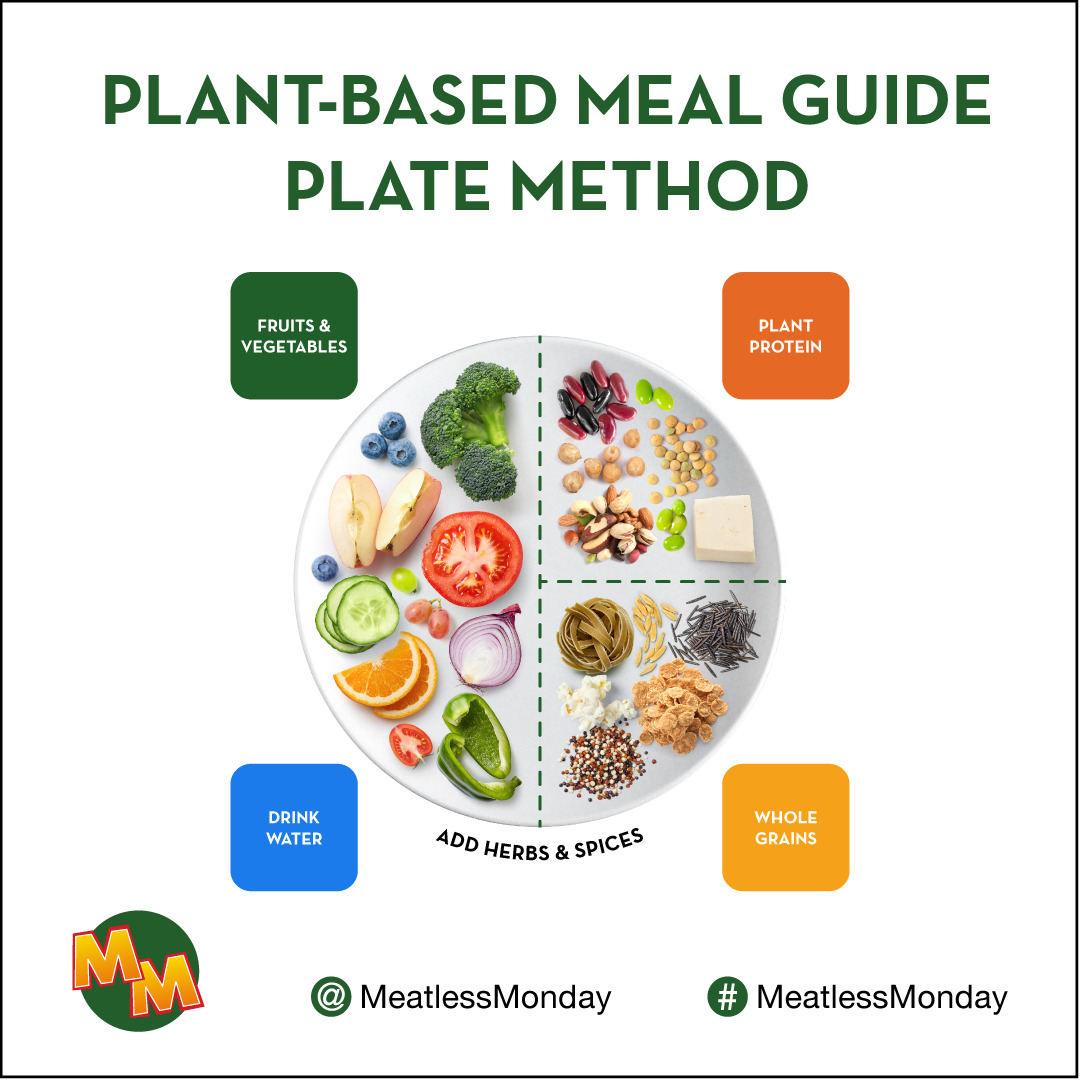
Think of your plate as a canvas divided into three distinct zones. This isn't about rigid rules, but about creating a rhythm that supports your energy levels and long-term health.
Protein: The Foundation
Protein is often the first concern for those new to plant-based eating, but it is surprisingly easy to meet your needs. Aim to fill about one-quarter of your plate with protein-rich sources. Lentils, chickpeas, black beans, tofu, tempeh, and edamame are all excellent choices. These legumes and soy products provide not just protein, but also iron and B vitamins. Including a variety of these throughout the week ensures you get a complete amino acid profile without relying on supplements.
Healthy Fats: The Flavor Enhancer
Healthy fats make up the remaining quarter of your plate or serve as a drizzle over your vegetables. Avocado, nuts, seeds, and olive oil are the primary sources. Fats are essential for absorbing fat-soluble vitamins (A, D, E, and K) from your vegetables and for keeping you satiated. A tablespoon of olive oil on roasted veggies or half an avocado in a salad adds necessary calories and flavor without the heaviness of animal fats.
Complex Carbs: The Energy Base
The largest portion of your plate—roughly half—should be dedicated to complex carbohydrates and non-starchy vegetables. This includes whole grains like quinoa, brown rice, oats, and farro, as well as a colorful array of leafy greens, broccoli, peppers, and carrots. These foods provide sustained energy, fiber for digestive health, and a wide range of antioxidants. The more variety in colors and types of vegetables, the broader the nutrient profile of your meal.
Key nutrients vegans must track
Transitioning to a plant-based diet shifts your focus from animal products to whole foods, but it requires a strategic approach to vegan nutrition. While plant-based diets are rich in fiber and antioxidants, they can lack specific micronutrients that are naturally abundant in meat, dairy, and eggs. Tracking these essential nutrients ensures you maintain energy levels, bone density, and overall health without relying on processed supplements.
The most critical nutrient to monitor is vitamin B12. This vitamin is essential for nerve function and DNA production, yet it is not reliably found in unfortified plant foods. While some sources suggest spirulina or nori contain B12, these forms are often inactive and can interfere with the absorption of the active vitamin. Therefore, consistent supplementation or consumption of fortified foods is non-negotiable for long-term health.
Iron and calcium are also primary concerns. Plant-based iron (non-heme iron) is less easily absorbed by the body than the heme iron found in meat. To maximize absorption, pair iron-rich foods like lentils, spinach, and tofu with a source of vitamin C, such as citrus fruits or bell peppers. Similarly, calcium needs to be sourced from fortified plant milks, tofu set with calcium sulfate, and leafy greens like kale and bok choy, rather than relying solely on dairy.
Omega-3 fatty acids are vital for brain and heart health. While flaxseeds, chia seeds, and walnuts provide alpha-linolenic acid (ALA), the body converts ALA to the more active EPA and DHA forms inefficiently. Consider adding an algae-based omega-3 supplement to ensure you are getting enough of these critical fats.
One complete vegan nutrition meal
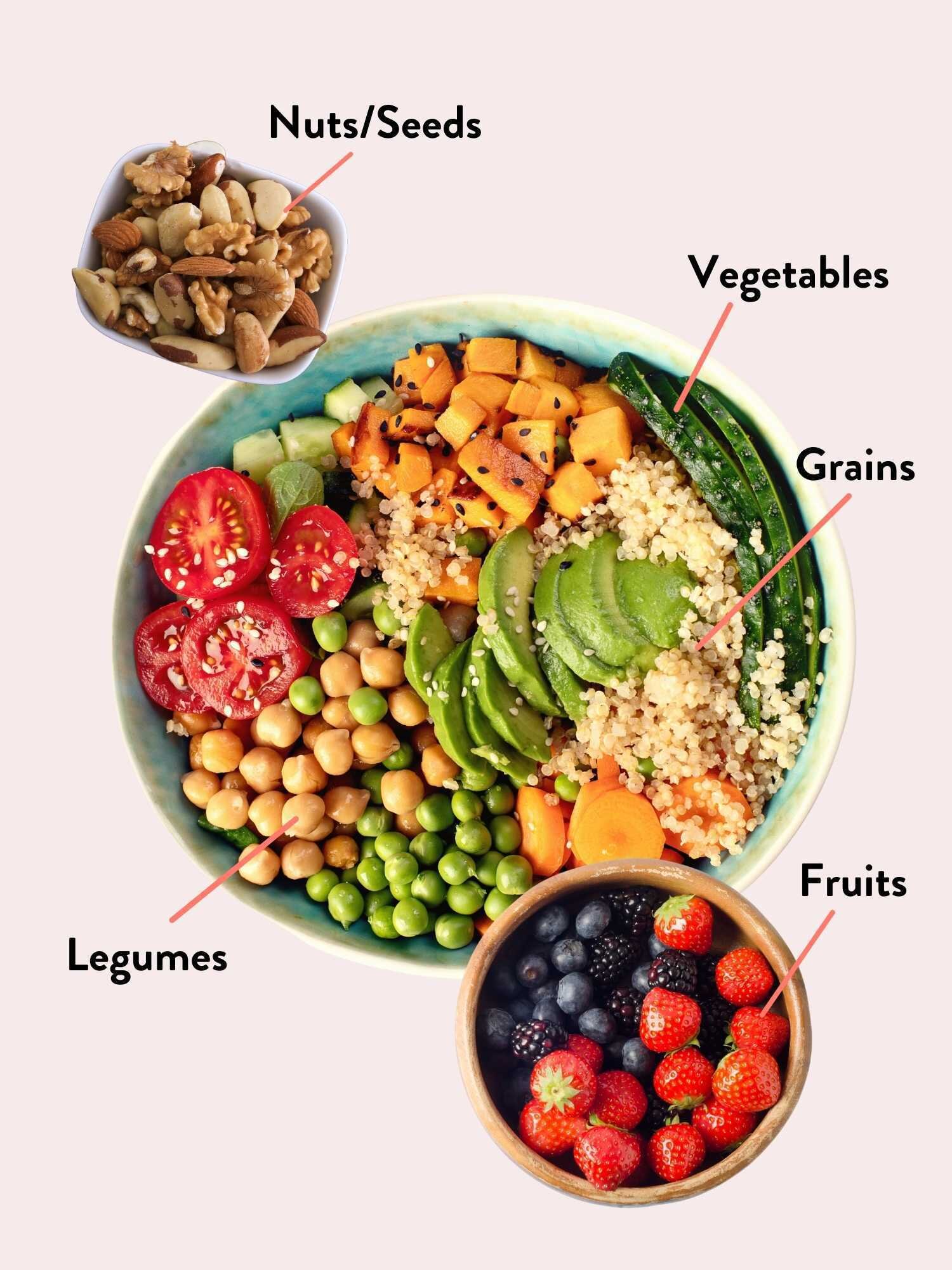
Building a balanced vegan diet requires intentional pairing to ensure you receive all essential macronutrients and micronutrients. A single, well-constructed meal can serve as a practical model for this approach, combining high-quality plant proteins, complex carbohydrates, and healthy fats into one cohesive dish.
The following recipe for a High-Protein Quinoa and Lentil Power Bowl is designed to meet these standards. It draws on principles from the NHS and Vegan Health, focusing on fiber-rich grains, iron-dense legumes, and nutrient-packed vegetables. This bowl provides a sustainable template for daily vegan nutrition, ensuring you stay satiated while meeting your body's needs.
This combination delivers a complete amino acid profile, as quinoa is a rare plant-based complete protein. The lentils add significant iron and fiber, while the avocado provides monounsaturated fats that help absorb fat-soluble vitamins from the vegetables. Preparing this meal allows you to control sodium and sugar levels, which are often hidden in processed vegan alternatives.
Shopping list for plant-based success
Building a resilient vegan nutrition plan starts with a well-stocked pantry. Rather than relying on processed substitutes, focus on whole food sources that provide the foundational nutrients often discussed in vegan health guidelines. A balanced approach ensures you get adequate protein, fiber, and essential vitamins without unnecessary additives.
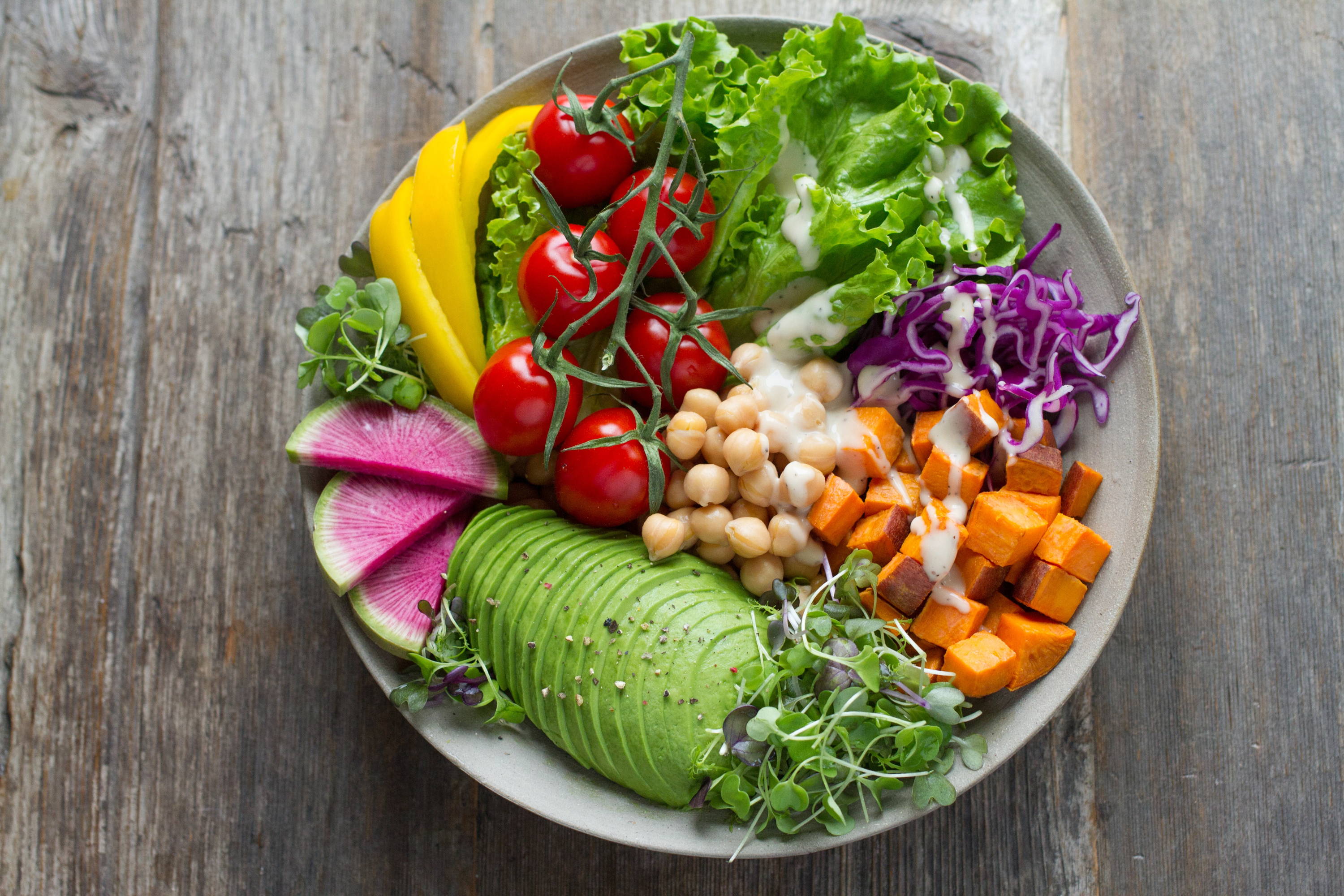
The NHS notes that a vegan diet is based on plants such as vegetables, grains, nuts, and fruits. To align with this structure, prioritize these core groups. Include a variety of colorful vegetables for Vitamin A and C, whole grains for sustained energy, and legumes for iron and protein. This variety mirrors the "plant-based plate" concept, ensuring nutritional completeness.
-
Whole grains: oats, quinoa, brown rice
-
Legumes: lentils, chickpeas, black beans
-
Leafy greens: spinach, kale, broccoli
-
Nuts and seeds: almonds, chia seeds, flaxseeds
-
Fruit: berries, apples, citrus
-
Fortified foods: plant milks, nutritional yeast
Checklist items above serve as a practical starting point for your weekly grocery runs. Consistency with these staples simplifies meal preparation and supports long-term adherence to a plant-based lifestyle.
Common questions about vegan diets
Many people wonder if a plant-based diet can meet all nutritional needs. According to Virginia Messina, MPH, RD, vegans should pay particular attention to protein, calcium, iron, zinc, vitamin A, omega-3 fats, and vitamins B12 and D. With careful planning, these nutrients are easily obtained through whole foods or fortified options.
Can you get enough protein on a vegan diet?
Yes. Legumes, tofu, tempeh, seitan, and nuts provide ample protein. Combining different plant sources throughout the day ensures you get all essential amino acids without needing to pair them at every meal.
Do vegans need to worry about iron deficiency?
Plant-based iron (non-heme) is less easily absorbed than animal-based iron. Enhance absorption by pairing iron-rich foods like lentils and spinach with vitamin C sources such as citrus fruits or bell peppers.
Is long-term vegan nutrition healthy?
Research from Rush University Medical Center indicates that well-planned vegan diets can promote weight loss and reduce the risk of heart disease by lowering cholesterol levels. Regular monitoring of B12 and vitamin D levels is recommended for long-term health.
No comments yet. Be the first to share your thoughts!