
Why Protein is Your Weight Loss Ally (Even on a Vegan Diet)
New to vegan eating and trying to lose weight? You've probably heard the question: 'But where do you get your protein?' It's a valid concern, but a common misconception. Protein is essential for weight loss, no matter your diet, and getting enough plant-based protein is straightforward.
Protein supports weight loss in several ways. It's incredibly satiating, helping you feel fuller longer and reducing cravings. It also preserves muscle mass during weight loss, which is important because muscle burns more calories at rest than fat. Digesting protein also uses more energy than digesting carbs or fats, slightly boosting your metabolism.
For years, the idea of 'incomplete' vegan proteins suggested carefully combining foods at every meal for essential amino acids. That's not really necessary. Your body pools amino acids throughout the day. Eating a varied diet ensures you get everything you need. Focus on covering your bases over the course of a day or week, rather than perfectly combining at each sitting.
How much protein do you need? The Recommended Dietary Allowance (RDA) is 0.8 grams per kilogram of body weight. If you're active, trying to build muscle, or actively losing weight, you'll likely benefit from more. I recommend aiming for 1.2 to 1.7 grams per kilogram of body weight. This is a range; listen to your body and adjust. Some people do well on the lower end, others need more.
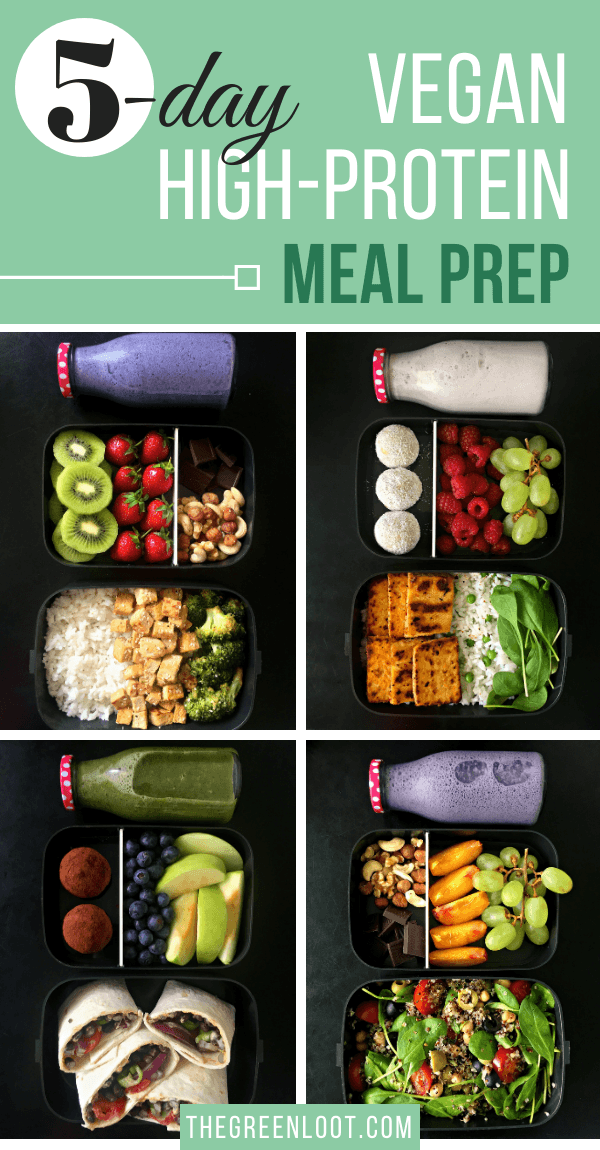
Understanding Protein Needs for Vegan Weight Loss
To calculate your protein needs: If you weigh 70 kilograms (about 154 pounds), the RDA is 56 grams of protein per day (0.8g x 70kg). For weight loss and moderate activity, aim for 84 to 119 grams per day (1.2g x 70kg to 1.7g x 70kg).
Spread your protein intake throughout the day. Include a protein source in every meal and snack to stay full and support muscle repair and growth. Eating all your protein in one or two meals is less effective.
Your protein needs are influenced by several factors. Activity level is significant – more exercise means more protein. Age is also a factor; older adults may need more protein to maintain muscle mass. Muscle mass itself matters; more muscle requires more protein. Pay attention to your body's response and adjust your intake.
15 High-Protein Vegan Recipes That Make Weight Loss Delicious
Here are 15 high-protein vegan recipes perfect for weight loss and delicious eating. They cover breakfast, lunch, dinner, and snacks, offering plenty of variety.
Tofu Scramble (25g protein): This is a classic vegan breakfast for a reason. Crumble firm or extra-firm tofu and sauté it with your favorite veggies (spinach, bell peppers, onions) and spices (turmeric for color and flavor). Inspired by rainbowplantlife.com, it's quick, easy, and packed with protein.
Lentil Soup (18g protein per serving): A hearty and filling soup that’s perfect for lunch or dinner. Red lentils cook quickly and create a creamy texture. Add some chopped vegetables and flavorful spices for a nourishing meal. Sweetpotatosoul.com has some fantastic lentil soup variations.
Chickpea Curry (20g protein per serving): A flavorful and aromatic curry made with chickpeas, coconut milk, and a blend of spices. Serve with brown rice or quinoa for a complete meal. It’s a great way to get your protein and fiber in one go.
Black Bean Burgers (15g protein per burger): Homemade black bean burgers are a healthy and satisfying alternative to traditional beef burgers. Use oats or quinoa as a binder and add your favorite spices for flavor. Emilieeats.com offers a great recipe.
Edamame Salad (18g protein per cup): A simple and refreshing salad made with edamame, chopped vegetables, and a light vinaigrette. Edamame is a complete protein source, making it a great addition to any meal.
High-Protein Smoothie (30g protein): Blend plant-based protein powder, spinach, banana, and plant-based milk for a quick and easy breakfast or snack. Experiment with different flavors and ingredients to find your perfect combination.
Quinoa Salad with Roasted Vegetables (12g protein per serving): Quinoa is a complete protein and a great base for a salad. Roast your favorite vegetables (broccoli, sweet potatoes, Brussels sprouts) and toss them with quinoa, herbs, and a lemon vinaigrette.
Tempeh Stir-Fry (28g protein per serving): Tempeh is a fermented soybean product that’s high in protein and fiber. Stir-fry it with your favorite vegetables and a savory sauce.
Seitan and Vegetable Skewers (30g protein per serving): Seitan is a wheat gluten-based protein source that has a meaty texture. Marinate seitan and vegetables and thread them onto skewers for a fun and flavorful meal.
Spicy Peanut Noodles with Tofu (22g protein per serving): Noodles tossed in a spicy peanut sauce with crispy tofu and chopped vegetables. A quick and easy weeknight dinner.
Vegan Chili (20g protein per serving): A hearty and flavorful chili made with beans, vegetables, and spices. Perfect for a cold evening.
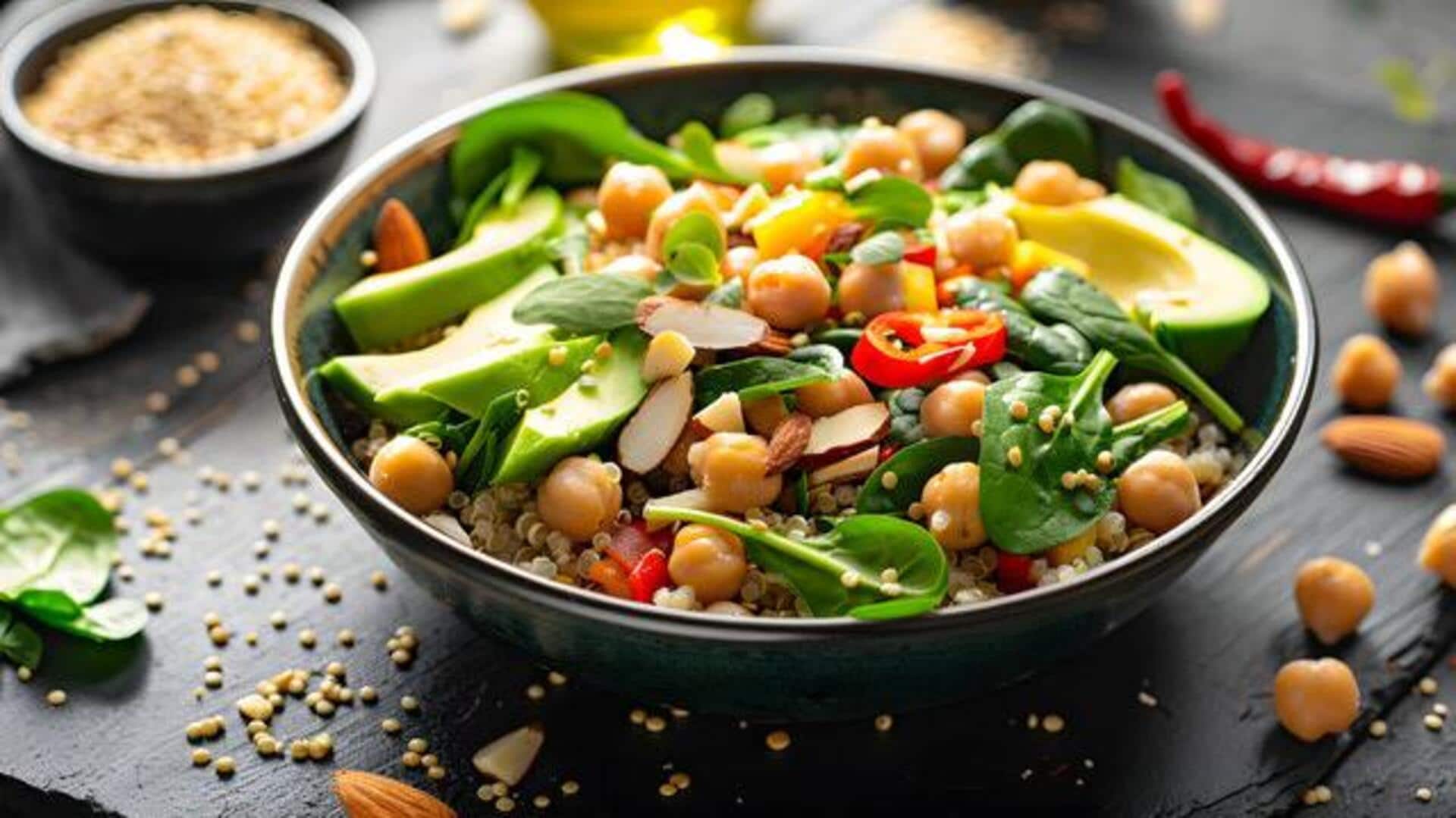
Buddha Bowl with Roasted Chickpeas (18g protein): A colorful and nutritious bowl filled with grains, roasted vegetables, chickpeas, and a flavorful sauce.
High-Protein Oatmeal (15g protein per serving): Add plant-based protein powder and nuts/seeds to your oatmeal for a protein-packed breakfast.
White Bean and Kale Soup (17g protein per serving): A simple and healthy soup made with white beans, kale, and vegetable broth.
Meal Prep Like a Pro: Streamlining Your Vegan Weight Loss
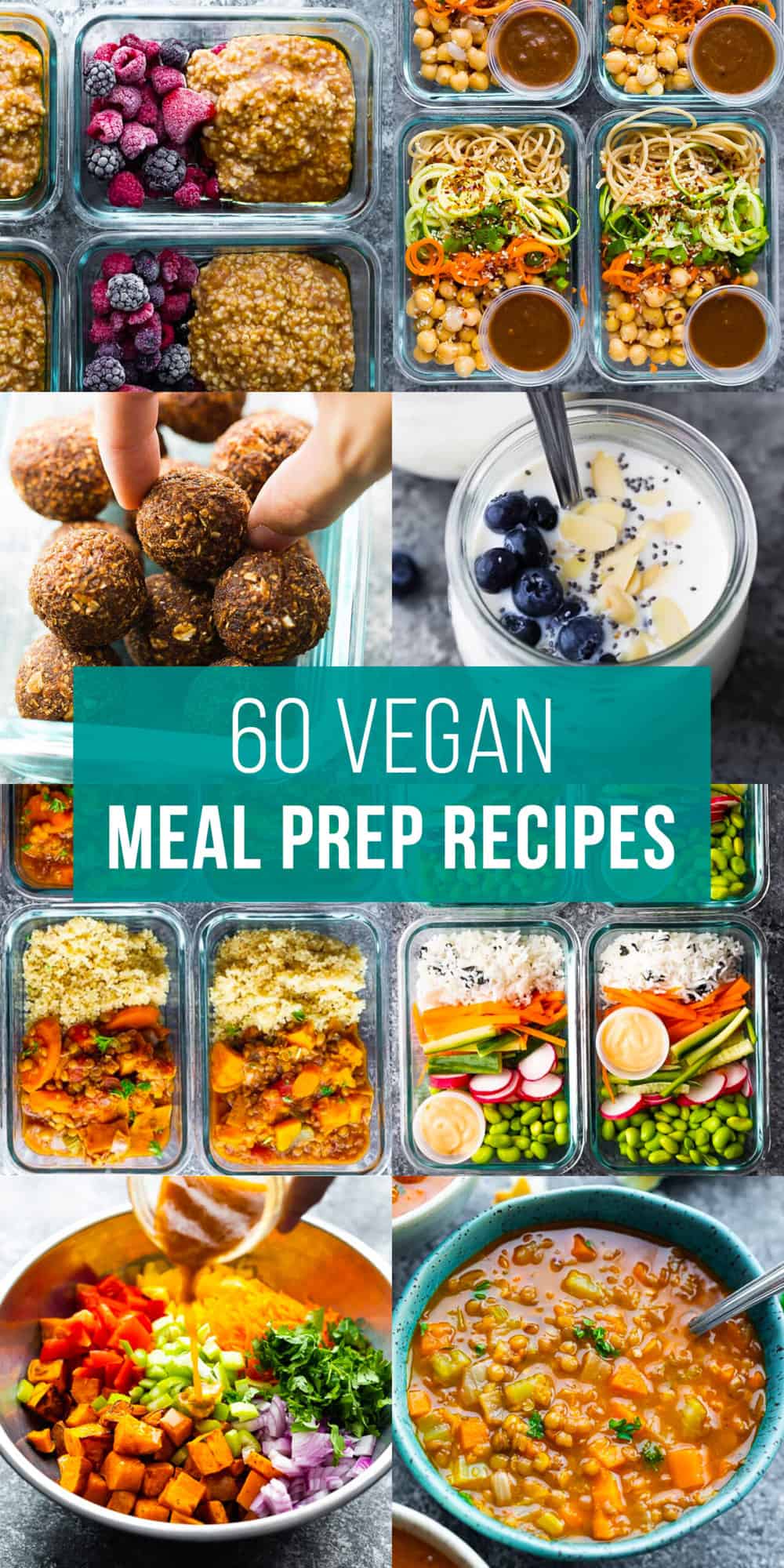
The key to consistent healthy eating is often preparation. Meal prepping doesn’t have to mean spending your entire Sunday in the kitchen, but a little bit of planning and batch cooking can save you so much time and stress during the week.
Start by choosing 2-3 recipes from the list above and focusing on prepping the core components. For example, you could cook a large batch of quinoa, roast a tray of vegetables (like sweet potatoes and broccoli), and cook a pot of lentils. These can then be mixed and matched throughout the week to create different meals.
Here’s a sample meal prep schedule: Monday: Chickpea Curry with Quinoa; Tuesday: Tofu Scramble with Roasted Vegetables; Wednesday: Lentil Soup; Thursday: Black Bean Burgers with a side salad; Friday: Edamame Salad with Tempeh Stir-Fry. You can adjust this based on your preferences and schedule.
Proper storage is crucial. Store cooked grains, beans, and vegetables in airtight containers in the refrigerator. They’ll typically last for 3-5 days. Pre-chopped vegetables can also be stored in airtight containers, but they may lose some of their freshness after a couple of days. Don’t be afraid to freeze portions of soups or chili for longer-term storage.
Beyond Recipes: Vegan Protein Sources to Keep You Full
While the recipes provide a great starting point, it’s helpful to understand the broader landscape of vegan protein sources. Here’s a breakdown of some key categories and examples.
Legumes: Lentils, chickpeas, black beans, kidney beans, and peas are all excellent sources of protein and fiber. One cup of cooked lentils provides around 18 grams of protein.
Tofu, Tempeh, and Seitan: These soy-based products are versatile and high in protein. Tofu offers about 10 grams of protein per half-cup, tempeh around 19 grams per half-cup, and seitan a whopping 21 grams per 3.5 ounces.
Grains: Quinoa is a complete protein, meaning it contains all nine essential amino acids. One cup of cooked quinoa provides around 8 grams of protein. Oats are also a good source, with about 6 grams of protein per half-cup.
Nuts and Seeds: Almonds, chia seeds, flax seeds, and hemp seeds are packed with protein and healthy fats. A quarter-cup of almonds provides around 6 grams of protein.
Vegetables: While not as concentrated as other sources, vegetables like broccoli, spinach, and asparagus contribute to your overall protein intake. One cup of cooked broccoli provides around 3 grams of protein.
Vegan Protein Source Comparison for Weight Loss Meal Prep
| Protein Source | Protein per Serving (approximate) | Cost | Prep Time | Versatility |
|---|---|---|---|---|
| Lentils | 18g per cooked cup | Low | Medium | High |
| Chickpeas | 15g per cooked cup | Low | Medium | Medium |
| Tofu (firm) | 20g per 3oz serving | Medium | Easy | High |
| Edamame (shelled) | 18g per cup | Medium | Easy | Medium |
| Black Beans | 15g per cooked cup | Low | Easy | Medium |
| Quinoa | 8g per cooked cup | Medium | Easy | Medium |
| Tempeh | 19g per 3oz serving | Medium | Medium | High |
| Seitan | 21g per 3oz serving | Medium | Medium | Medium |
Illustrative comparison based on the article research brief. Verify current pricing, limits, and product details in the official docs before relying on it.
Common Mistakes to Avoid on a Vegan Weight Loss Journey
It’s easy to fall into certain traps when starting a vegan weight loss journey. One common mistake is restricting calories too much. While a calorie deficit is necessary for weight loss, overly restrictive diets can lead to nutrient deficiencies and rebound eating.
Don’t neglect healthy fats. They’re essential for hormone production, brain function, and satiety. Include sources like avocados, nuts, seeds, and olive oil in your diet. Also, be mindful of relying too heavily on processed vegan foods. While convenient, many vegan processed foods are high in sugar, salt, and unhealthy fats.
Hydration is also key. Drink plenty of water throughout the day to stay full and support your metabolism. And don’t underestimate the importance of fiber. Fiber helps you feel full, regulates blood sugar levels, and supports gut health. Make sure to include plenty of fruits, vegetables, and whole grains in your diet.
Finally, pay attention to micronutrients. Vegans may be at risk of deficiencies in vitamin B12, iron, calcium, and vitamin D. Consider taking a B12 supplement and ensuring adequate intake of iron and calcium through fortified foods or supplements.
Staying Motivated: Building a Sustainable Vegan Lifestyle
Weight loss is a journey, and sustainability is key. It’s not about a quick fix, but about making long-term lifestyle changes. Finding a supportive community can make a huge difference. Join online vegan groups or connect with local vegan meetups for inspiration and encouragement.
Don’t be afraid to experiment with different recipes and flavors. Vegan cooking can be incredibly diverse and exciting. Explore different cuisines and try new ingredients to keep things interesting. Remember the ethical and environmental benefits of veganism – these can be powerful motivators.
Focus on progress, not perfection. There will be setbacks along the way, but don’t let them derail you. Acknowledge them, learn from them, and move forward. Celebrate your successes, no matter how small.
Vegan weight loss is absolutely achievable and rewarding. It’s not just about losing weight; it’s about improving your health, reducing your environmental impact, and living a more compassionate life. Embrace the journey and enjoy the process!
No comments yet. Be the first to share your thoughts!