
Why protein matters in vegan nutrition
Getting enough protein is the most common concern for people switching to a plant-based diet, but the requirement is simpler than many assume. The NHS notes that a vegan diet is built on vegetables, grains, nuts, and fruits, all of which contribute to your daily intake. While plant sources generally contain less protein per calorie than animal products, they are often richer in fiber and lower in saturated fat, offering a distinct health advantage when planned correctly.
The body does not require protein from a single source at every meal. Instead, it draws from a pool of amino acids throughout the day. As long as you eat a variety of plant foods, your body assembles the complete proteins it needs. This means you don't need to obsess over combining specific foods at every single meal; variety across your daily grocery haul is the real key.
Focusing on high-protein staples simplifies this process. By choosing specific items like lentils, tofu, and quinoa, you ensure you are hitting your targets without complex calculations. The following section breaks down the ten most effective plant-based staples to keep in your cart, turning a potential nutritional challenge into an easy part of your weekly routine.
10 High-Protein Plant-Based Staples for Healthy Vegan Eating
This curated selection highlights 10 specific, high-protein staples—from lentils to edamame—that align with NHS guidelines for balanced plant-based nutrition.
-
Organic tofu blocks
Silken or firm, organic tofu delivers 10 grams of complete protein per half-cup serving. Its neutral flavor absorbs marinades beautifully, making it ideal for stir-fries or scrambles. Look for non-GMO verified brands to ensure purity. Pressing excess water improves texture, allowing it to crisp up in the pan. This versatile staple anchors many plant-based meals while providing essential amino acids without the saturated fat found in animal proteins. -
Tempeh for fermented protein
Fermented soybeans create tempeh, a dense cake offering 15 grams of protein per half-cup. The fermentation process boosts bioavailability and introduces beneficial probiotics for gut health. Its nutty, earthy flavor stands up well to bold sauces like teriyaki or BBQ. Slice it thin for sandwiches or cube it for hearty grain bowls. Unlike tofu, tempeh retains its whole-bean structure, providing a satisfying chew that keeps you full longer. -
Lentils for fiber and iron
Red, green, or brown lentils provide 18 grams of protein and 15 grams of fiber per cooked cup. They cook quickly without soaking, making them perfect for weeknight soups and stews. Lentils are also rich in iron, crucial for preventing fatigue in vegan diets. Pair them with vitamin C-rich foods like tomatoes to enhance absorption. Their creamy texture when mashed adds depth to veggie burgers or serves as a nutritious base for savory pies. -

Chickpeas for versatile meals
Canned or dried chickpeas offer 15 grams of protein and 12 grams of fiber per cooked cup. They blend into creamy hummus, roast into crunchy snacks, or simmer in curries. The liquid from canned chickpeas, aquafaba, replaces eggs in baking. Their mild flavor makes them a blank canvas for spices, ensuring every meal feels distinct yet nourishing. -
Edamame for quick snacks
Young soybeans, sold frozen or in pods, provide 9 grams of protein per half-cup. Edamame is a convenient, portable snack rich in folate and vitamin K. Steaming pods takes just five minutes, offering a satisfying crunch and salty satisfaction. They add protein to salads, grain bowls, or appetizer plates. Unlike processed protein bars, edamame delivers whole-food nutrients with minimal ingredients, making it an easy way to boost daily intake without extra prep time. -
Hemp seeds for omega-3s
Sprinkle hulled hemp seeds onto oatmeal or salads for a nutty crunch and potent omega-3 boost. These seeds offer alpha-linolenic acid, supporting heart health without fish. Their mild flavor blends seamlessly into smoothies or yogurt bowls. Use them as a finishing touch to maximize nutrient retention and add a subtle earthy depth to your daily meals. -
Quinoa for complete amino acids
Quinoa stands out as a complete protein, containing all nine essential amino acids. This ancient grain rivals meat in protein quality, making it ideal for muscle repair. Cook it fluffy for grain bowls or use it as a rice substitute. Its versatility allows for easy integration into breakfast porridges or savory dinners, ensuring balanced nutrition in every bite. -
Nutritional yeast for B12
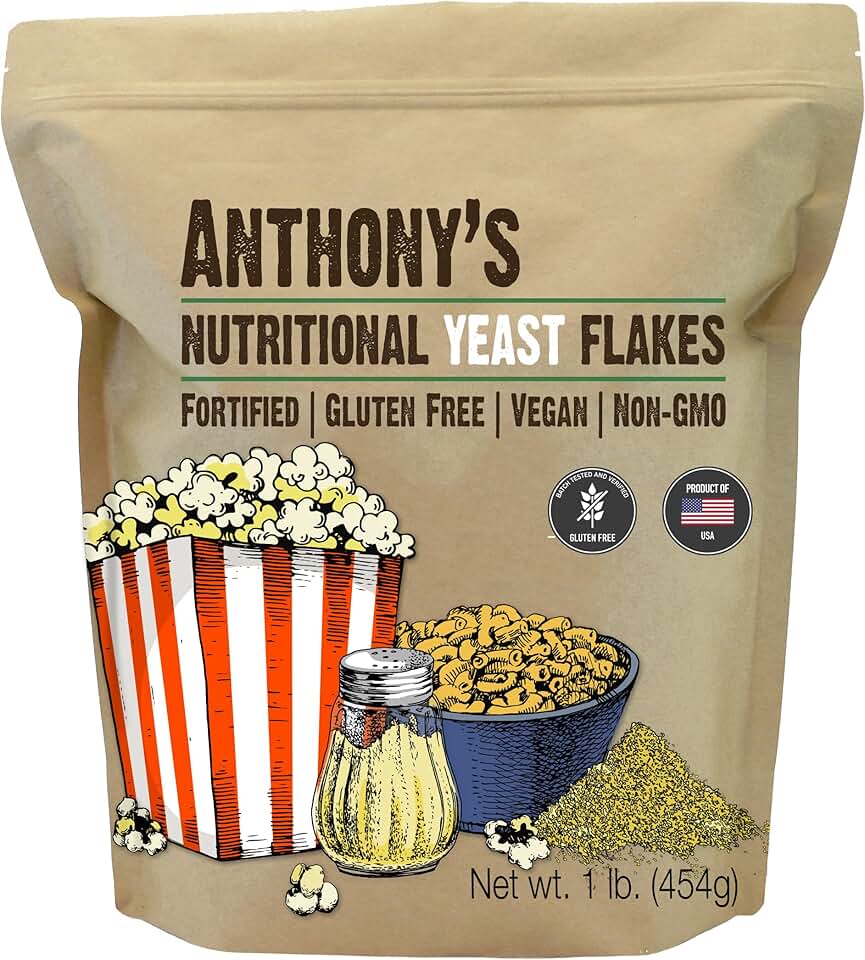
Nutritional yeast provides a cheesy flavor while fortifying meals with vitamin B12, crucial for nerve function. This deactivated yeast is a staple for vegans lacking animal products. Sprinkle it over popcorn, pasta, or roasted vegetables for instant umami depth. It transforms simple dishes into nutrient-dense meals, bridging the gap in essential micronutrients effectively. -
Almonds for healthy fats
Almonds deliver heart-healthy monounsaturated fats alongside substantial protein and fiber. A small handful offers sustained energy and satiety, curbing mid-afternoon cravings. Their crunchy texture adds appeal to salads, granola, or trail mixes. Rich in vitamin E, they support skin health and antioxidant defense, making them a smart, portable snack choice for busy days. -
Pea protein powder
Pea protein powder offers a smooth, easily digestible alternative to whey or soy. Ideal for post-workout recovery, it blends seamlessly into shakes without gritty textures. Use it to boost protein content in pancakes or muffins. This versatile supplement ensures you meet daily protein goals efficiently, supporting muscle maintenance and overall vitality with minimal digestive discomfort.
Build your vegan grocery list
Organizing your shopping trip around high-protein staples simplifies meal prep and ensures you meet nutritional needs. As noted by the NHS, a balanced vegan diet relies on plant-based foods like grains, nuts, and vegetables, while Vegan Health emphasizes the importance of consistent nutrient intake NHS. Use this checklist to shop efficiently.
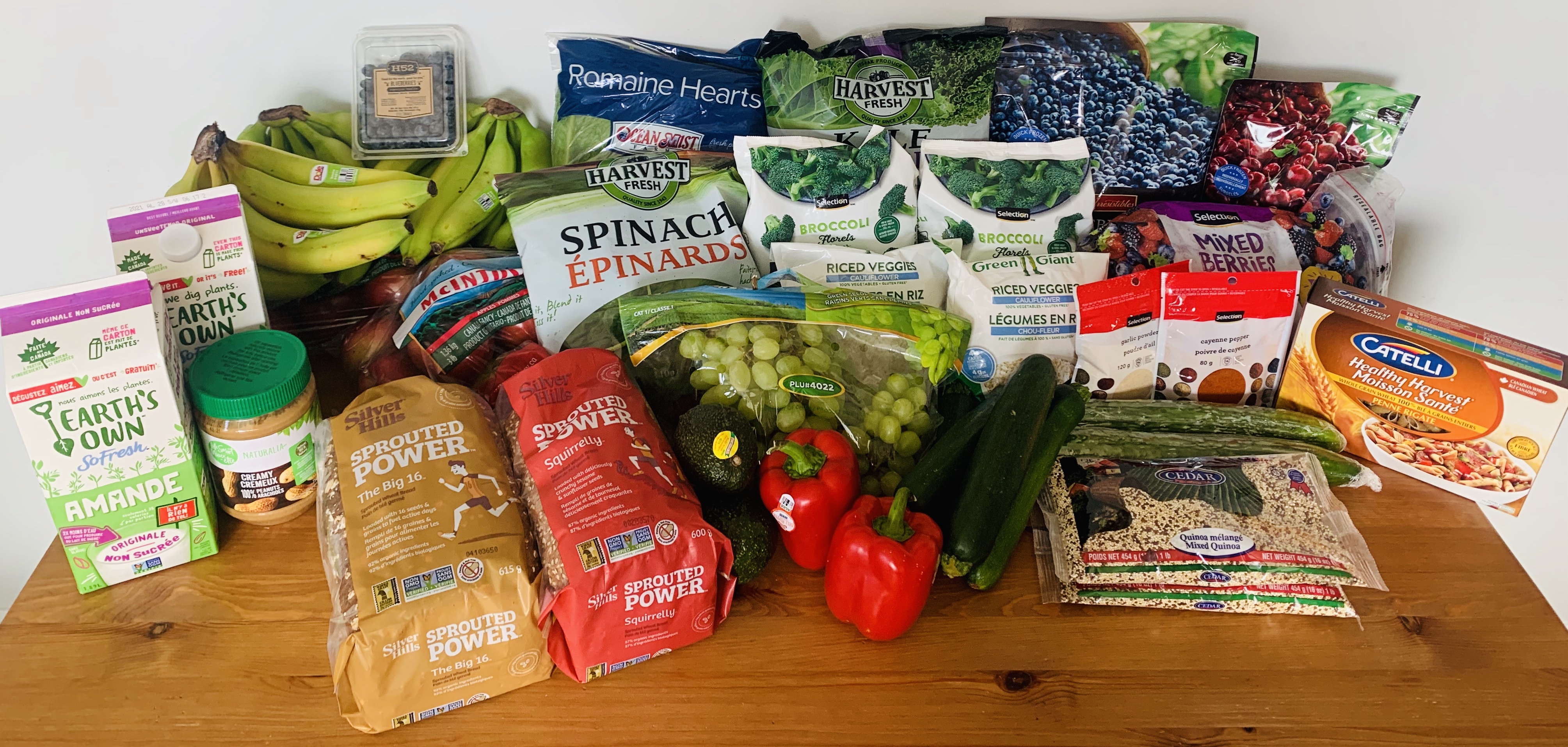
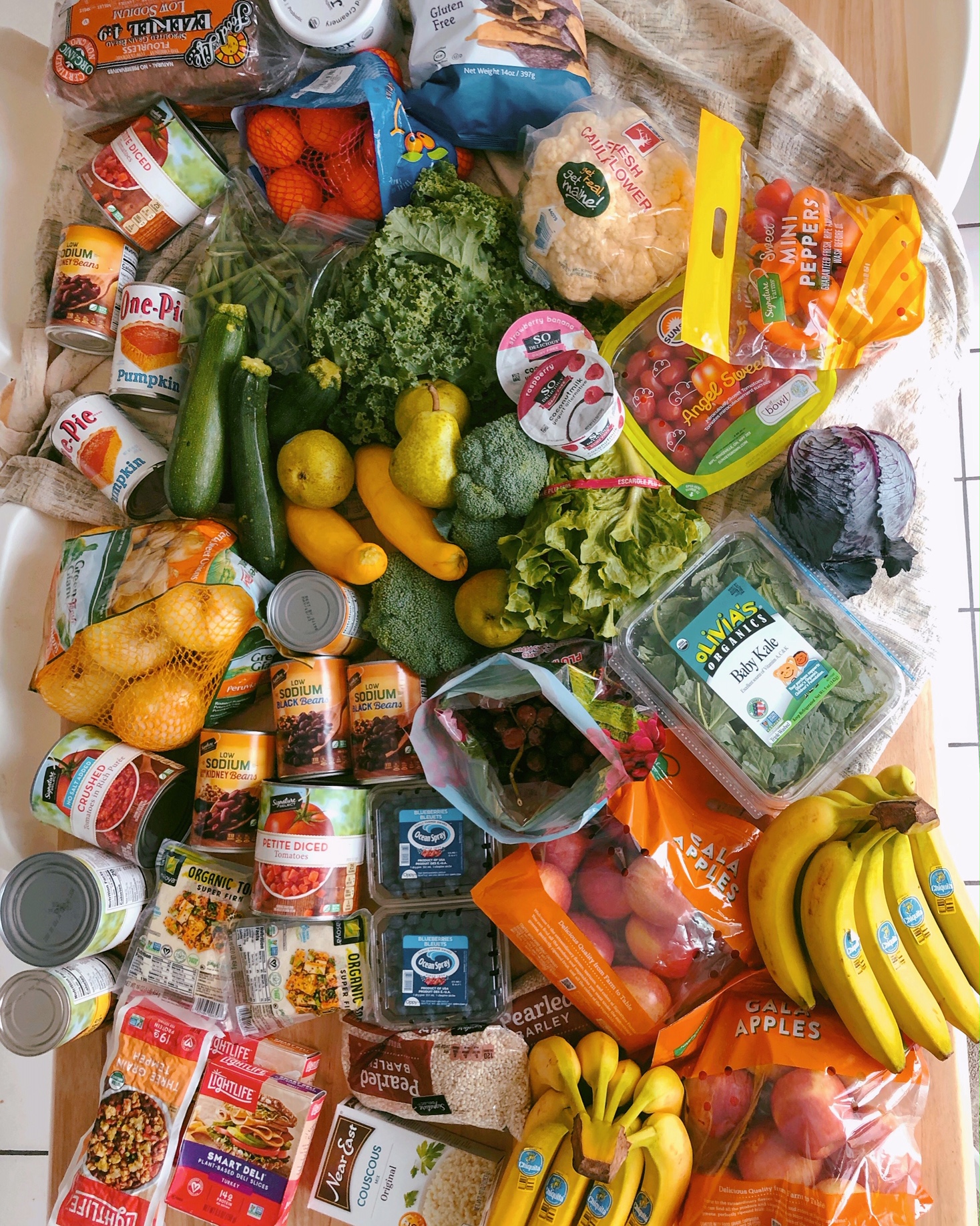
Stock up on dry or canned lentils, chickpeas, and black beans. These are affordable, shelf-stable protein powerhouses for soups and salads.
Choose extra-firm tofu for stir-fries or tempeh for its nutty texture and higher protein density. Keep them refrigerated and use within a few days.
Frozen edamame pods or roasted soy peas make excellent high-protein snacks or salad toppers that require minimal prep.
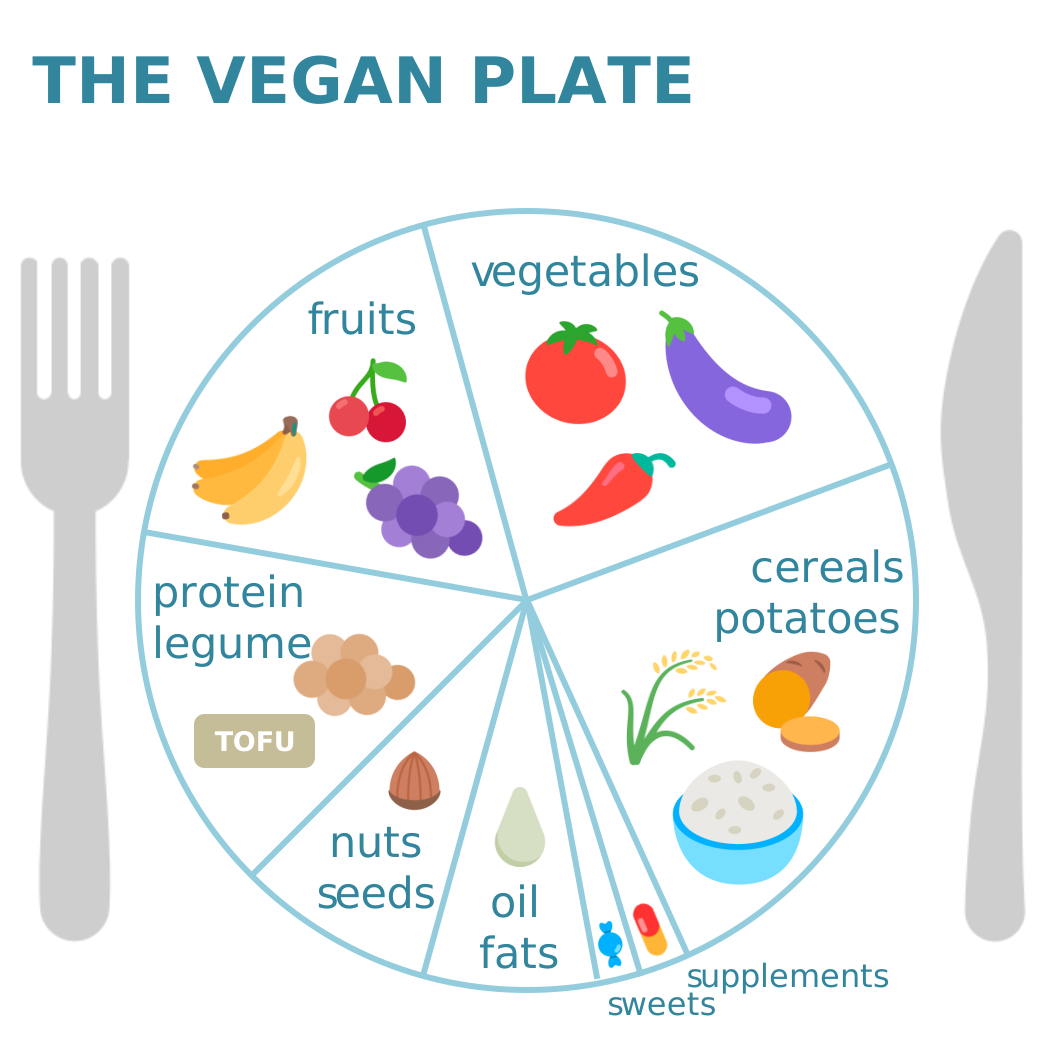
For a meat-like chew, look for seitan or plant-based burgers. Check labels for sodium content and prioritize whole-food options when possible.
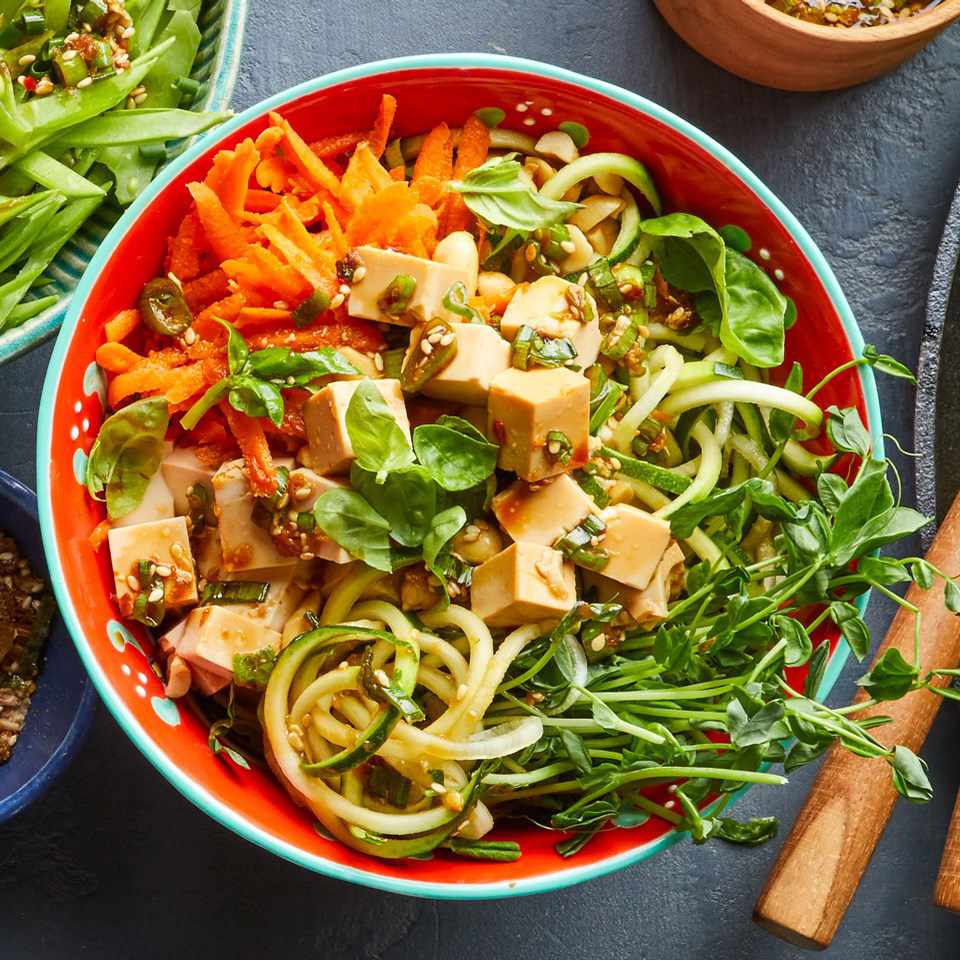
Almonds, walnuts, chia seeds, and hemp hearts add crunch and protein to oatmeal, smoothies, and grain bowls.
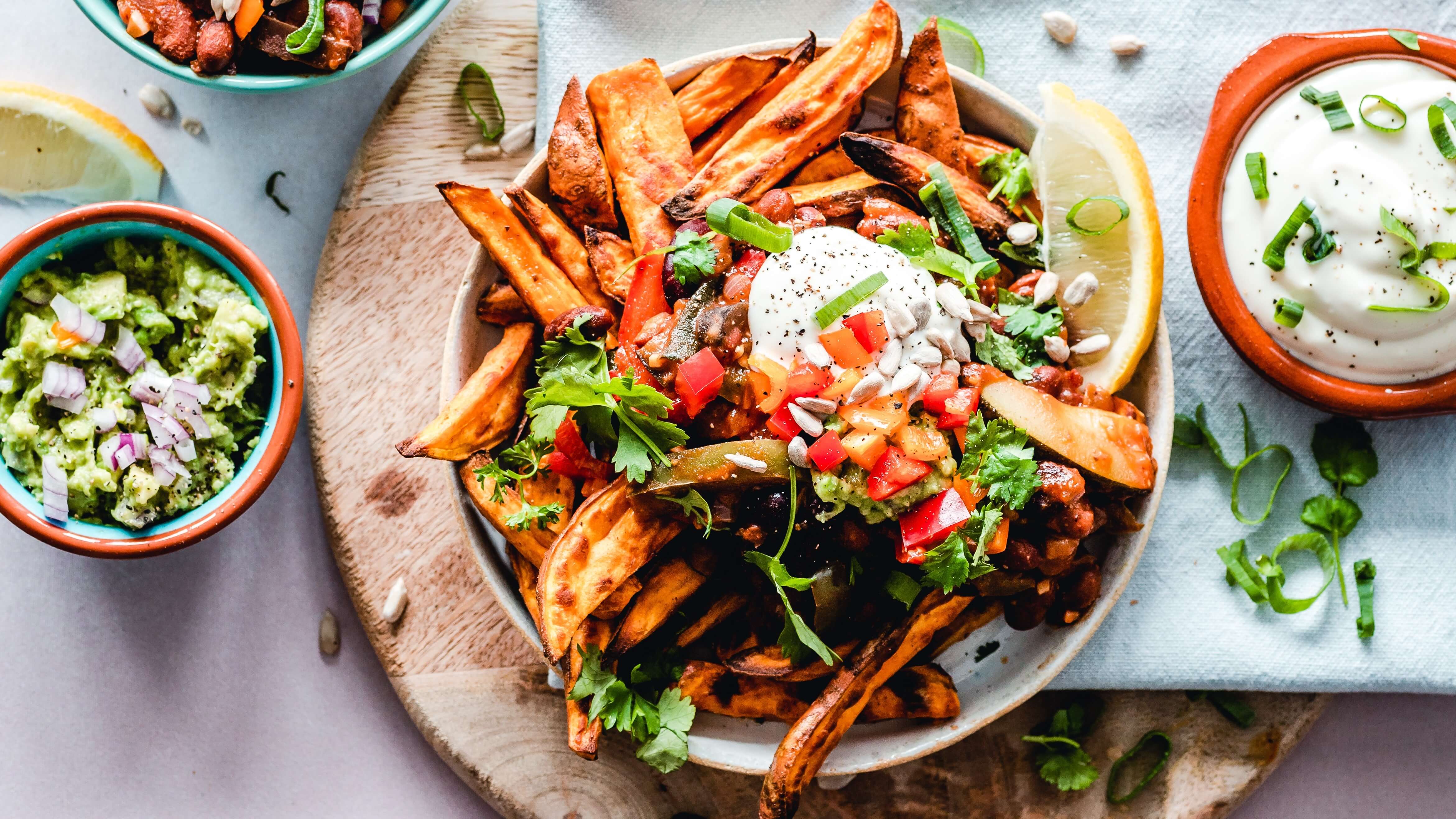
This cheesy-tasting flake is a versatile seasoning that also provides a boost of B vitamins and protein to sauces and popcorn.
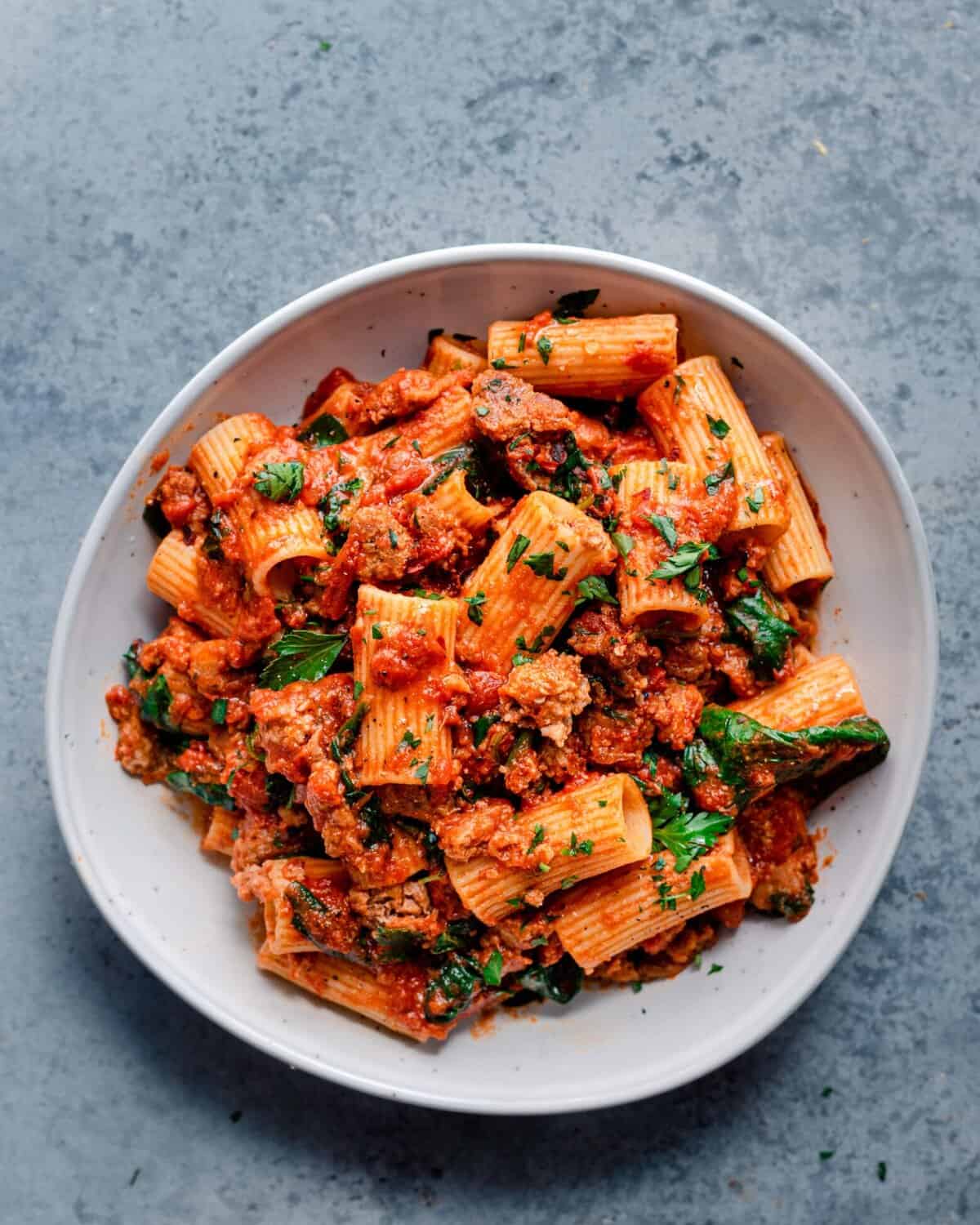
Quinoa, amaranth, and spelt are complete proteins that serve as sturdy bases for bowls, replacing lower-protein options like white rice.
Keep pea, hemp, or brown rice protein powder on hand for quick smoothies or baking when you need an extra protein boost.
Choose unsweetened soy or pea milk and yogurt, which typically contain more protein than almond or oat varieties.
Nori sheets and spirulina powder offer trace minerals and a protein punch for soups, snacks, and green smoothies.


As an Amazon Associate, we may earn from qualifying purchases.
Common vegan nutrition: what to check next
Getting enough protein and essential nutrients is the most frequent concern for people switching to a plant-based diet. The good news is that high-protein staples like lentils, quinoa, and hemp seeds make it easy to meet daily needs without supplements, provided you eat a varied diet. According to the NHS, a well-planned vegan diet can be nutritionally adequate for all stages of life.
Do I need supplements on a vegan diet?
Vitamin B12 is the one nutrient you cannot reliably get from plants alone, so a supplement or fortified foods are necessary. Other nutrients like iron, calcium, and vitamin D are easier to obtain through whole foods. For example, fortified plant milks and orange juice provide calcium, while spinach and tofu are excellent iron sources. Always check labels to ensure your staples are fortified.
How much protein do vegans actually need?
The recommended daily allowance for protein is roughly 0.8 grams per kilogram of body weight, which is the same for vegans and omnivores. However, plant proteins are often less digestible, so many experts suggest aiming for 10% more. Combining different protein sources throughout the day, such as beans with rice or hummus with whole-grain pita, ensures you get all essential amino acids.
What are the best high-protein vegan foods?
Seitan, made from wheat gluten, offers about 25 grams of protein per 3.5 ounces, making it a powerhouse for meat-free meals. Tofu and tempeh provide 10-20 grams per half-cup, while edamame offers nearly 9 grams per half-cup. Legumes like chickpeas and black beans round out the list with around 7-9 grams per half-cup, serving as versatile staples for salads, soups, and stews.
No comments yet. Be the first to share your thoughts!