

Why 2026 is the year for vegan travel
The landscape of plant-based dining has shifted from niche specialty to mainstream expectation. In 2026, vegan travel is no longer about finding a single safe meal; it is about curating culinary experiences that rival traditional fine dining. Major metropolitan areas are seeing a 20% year-over-year growth in plant-based restaurant openings, signaling a structural change in how cities approach hospitality.
This surge is driven by a move beyond basic substitutes. Chefs are now prioritizing whole-food ingredients, fermentation techniques, and local sourcing to create dishes that stand on their own merit. The focus has shifted from mimicking meat to highlighting the unique textures and flavors of vegetables, grains, and legumes. This evolution makes vegan dining a primary travel motivator rather than a secondary accommodation.
Travelers are increasingly mapping their itineraries around specific neighborhoods known for their plant-based density. Cities like London, Berlin, and Portland have long been leaders, but emerging destinations in Asia and South America are rapidly catching up. The availability of high-end vegan tasting menus means that dietary preferences no longer limit the scope of culinary exploration.
Statistical data from industry trackers confirms this trend, with plant-based options becoming a standard fixture in hotel restaurants and airport lounges. This ubiquity reduces the friction of travel planning, allowing visitors to focus on the quality of the experience rather than the logistics of finding food. The result is a more seamless and enjoyable journey for plant-based diners worldwide.
Austin: The Southern Plant-Based Hub
Austin has evolved into a major destination for plant-based dining, moving far beyond basic salad bars to embrace the region's culinary heritage. The city’s vegan scene is defined by its ability to reimagine Southern staples, offering everything from smoky barbecue to hearty Tex-Mex dishes that satisfy cravings without animal products.
East Austin and Downtown
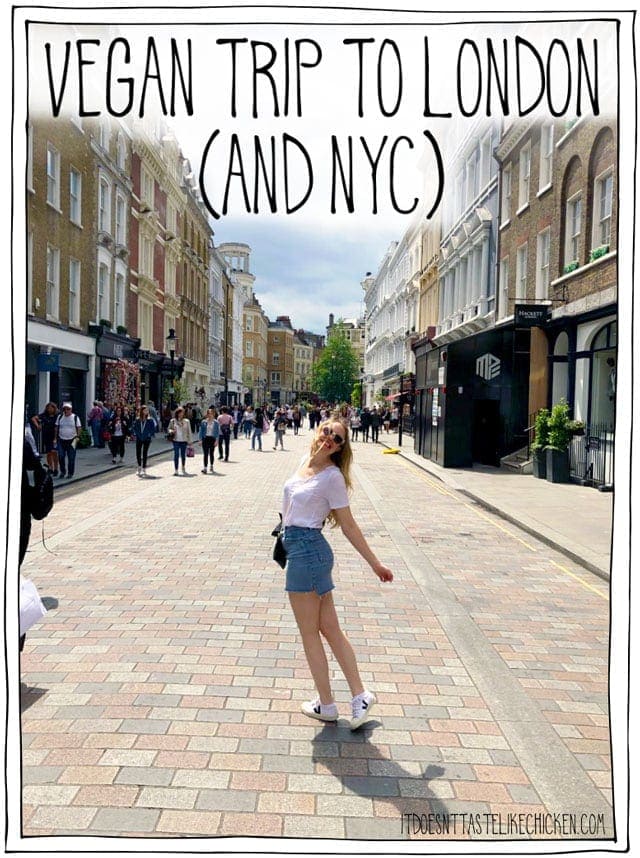
The highest concentration of innovative vegan restaurants clusters in East Austin and Downtown. This area serves as the epicenter for the city's food culture, where modern interpretations of Southern cuisine thrive. Visitors can walk between several highly rated spots, making it easy to plan a culinary tour that highlights the best of local plant-based cooking.
Southern Classics, Reimagined
A defining feature of Austin’s vegan food scene is its commitment to regional flavors. Restaurants here specialize in plant-based versions of barbecue, Tex-Mex, and comfort food. You can find jackfruit pulled pork, cashew-based queso, and seitan steaks that mimic the texture and taste of traditional meats, proving that vegan food can be deeply rooted in local tradition.
New York City: Density and Diversity
New York City doesn’t just offer vegan options; it saturates them. From the moment you step off the subway, plant-based choices are woven into the city’s infrastructure. You don’t need to hunt for a specific "vegan-only" establishment to eat well. The density of options means that even a standard bodega, a classic deli, or a high-end fine dining spot likely has a compelling plant-based alternative.
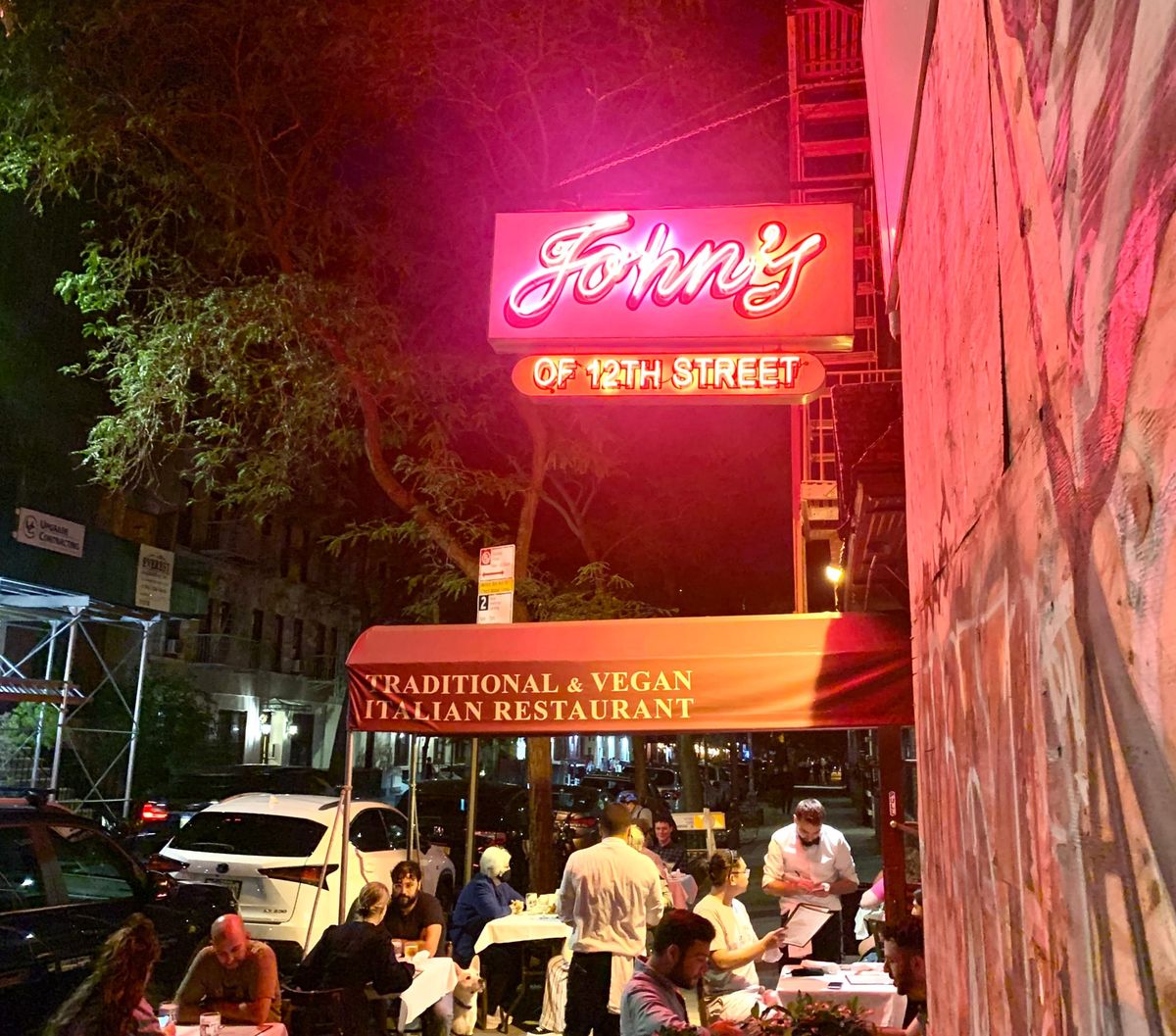
This abundance creates a unique dining ecosystem. In neighborhoods like the West Village or Williamsburg, you’ll find specialized vegan bakeries and sushi spots. Yet, just blocks away, traditional Italian trattorias and Jewish delicatessens have integrated vegan menus that rival dedicated restaurants. This integration is the city’s greatest asset for travelers. It removes the friction of planning. You can wander without a reservation and still eat well.
The variety spans every price point and cuisine type. You can grab a $5 vegan slice of pizza in Midtown or enjoy a multi-course tasting menu in the East Village. The key is knowing where to look. Manhattan remains the epicenter, but Brooklyn’s Williamsburg and Bushwick areas offer equally dense clusters of innovative plant-based kitchens. This geographic spread ensures that no matter your itinerary, vegan dining is never an afterthought—it’s the default.
Las Vegas: High-End Vegan Fine Dining
Las Vegas has quietly shed its reputation as a junk-food capital, emerging as a serious destination for chef-driven vegan cuisine. The city’s high-end dining scene now features multi-course tasting menus that rival any in New York or San Francisco, proving that plant-based gastronomy belongs on the Strip and downtown alike.
The following table compares three top-tier vegan tasting menus currently available in the city, highlighting differences in price, structure, and culinary style.
| Restaurant | Cuisine Style | Courses | Price Range |
|---|---|---|---|
| Sage Vegan Bistro | Modern American | 5-7 | $$ |
| Crown & Thistle | Scottish-Italian Fusion | 8-10 | $$$ |
| Bloom Plant-Based Cuisine | Global Fusion | 6-8 | $$$ |
These establishments prioritize seasonal produce and technical precision over simple substitutions. Diners can expect intricate preparations, such as fermented vegetable charcuterie or mushroom-based umami sauces, rather than familiar salads or pasta dishes. This shift reflects a broader trend in Vegas hospitality, where Michelin-starred chefs are increasingly committing to fully plant-based concepts to meet evolving guest expectations.
For visitors planning a culinary itinerary, booking these reservations weeks in advance is essential. The most sought-after menus often sell out, particularly on weekends. Pairing a high-end vegan dinner with a walk through the Arts District or a visit to a local market can provide context for the ingredients featured on the plate, grounding the fine dining experience in the local food culture.
How to find vegan restaurants anywhere
Vegan Restaurant Guides works best as a clear sequence: define the constraint, compare the realistic options, test the tradeoff, and choose the path with the fewest hidden costs. That order keeps the advice usable instead of decorative. After each step, pause long enough to check whether the recommendation still fits the reader's actual situation. If it depends on perfect timing, unusual access, or a best-case budget, include a simpler fallback.
Frequently asked questions about vegan travel
Traveling with a plant-based diet is easier than ever, but it requires a bit of planning. These answers cover the practical details you need to navigate menus, budgets, and language barriers in any city.
Preparing for these logistical hurdles ensures you can focus on enjoying the local food scene rather than worrying about what’s on your plate.
No comments yet. Be the first to share your thoughts!