

Plant-Based Expansion: A 2026 Snapshot
The global vegan restaurant scene is growing fast, with 2026 looking like a big year. Investment is up, consumer preference for plant-based options is clear, and the industry is recovering from recent disruptions. This isn't a passing fad; it's a lasting change in how people approach food.
Lonely Vegan data shows a 35% increase in global vegan restaurant openings from 2023 to 2025, with projections for 2026 indicating another 20% expansion. This growth stems from increased awareness of veganism's health and environmental benefits, and importantly, the availability of genuinely delicious food. It's no longer just about avoiding meat.
The scene is diversifying. It's attracting a mainstream audience beyond early adopters. These customers aren't always fully vegan but regularly seek plant-based meals. This 'flexitarian' trend presents a significant opportunity for vegan chains, both established and emerging.
Expansion isn't uniform globally. North America leads, but Europe and Asia show promising developments, each with distinct characteristics and challenges. The coming years will determine which chains can successfully navigate these markets and build a global presence.
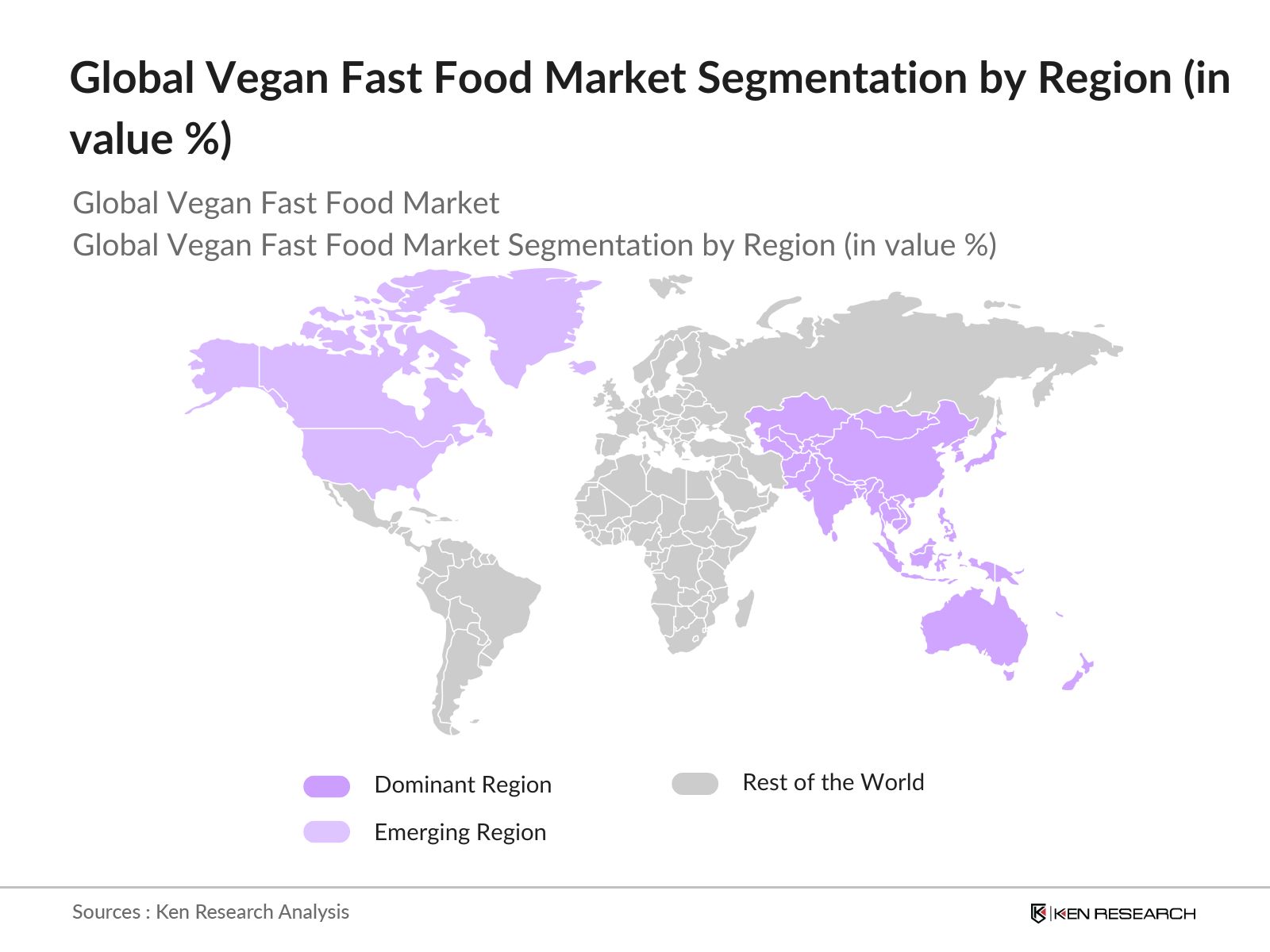
US Dominance & Emerging Markets
The US is the most mature market for vegan restaurant chains. Veggie Grill, with over 40 locations nationwide, continues to expand in high-traffic urban areas. Native Foods Cafe, acquired by Xponential Wellness in 2021, is also growing aggressively, planning at least 15 new locations in 2026. PLNT Burger, backed by musician Moby, focuses on affordability and accessibility.
Emerging markets are key. In Europe, the UK is a hub, with Neat Burger, founded by Lewis Hamilton, leading. They have locations in London, Birmingham, and Manchester, and are exploring franchises in other European cities. Germany is another promising market, with a strong vegan community and growing demand for plant-based options.
Spain presents unique challenges and opportunities. While veganism is gaining traction, the traditional Spanish diet heavily relies on meat and seafood. Chains must adapt menus with local flavors and preferences to succeed. Smaller independent vegan restaurants have seen initial success, but large chains are still exploring the market.
Asia is complex. Singapore is emerging as a regional leader, with Love Handle popular for its vegan burgers and sides. Hong Kong has a growing number of vegan cafes and restaurants serving a health-conscious population. Japan, despite its culinary traditions, is slowly embracing plant-based dining, with chains experimenting with vegan versions of traditional dishes.
Australia shows a similar trend, with rising vegan interest and more plant-based restaurants. The challenge in these emerging markets involves building a sustainable supply chain, navigating local regulations, and adapting to cultural tastes. This requires long-term commitment and flexibility.
The European Surge: Key Players
Europe is seeing a significant rise in plant-based dining, with several chains leading the way. Neat Burger is expanding rapidly in the UK, focusing on a fast-casual experience with an emphasis on sustainability. They partner with Just Eat and Deliveroo for convenient delivery.
Brammibal's Donuts, based in the Netherlands, is a niche vegan chain finding success. They specialize in vegan donuts, offering many flavors and meeting demand for plant-based desserts. Their focus on quality ingredients and creative recipes has earned them a loyal following.
Smaller, regional chains are also gaining momentum. In Germany, 1990 Vegan Living is expanding with locations offering Vietnamese-inspired vegan cuisine. In Italy, Flower Burger offers colorful, plant-based burgers and sides.
European vegan consumers often prioritize ethical and environmental considerations over American counterparts. Chains must demonstrate a strong commitment to sustainability and transparency in sourcing and operations. Marketing strategies tend to be understated, focusing on quality and taste rather than aggressive promotion.
European Vegan Restaurant Chains - 2026 Outlook
| Chain Name | Origin Country | Menu Style | Price Range | Expansion Strategy | Unique Selling Point |
|---|---|---|---|---|---|
| Neat Burger | United Kingdom | Burgers, Sides, Shakes | $$ | Franchise & Company-Owned | Plant-based alternatives to classic fast food, backed by Lewis Hamilton. |
| Loving Hut | Vietnam | Pan-Asian, Veganized Classics | $ | Franchise | Extensive global presence with a diverse menu catering to various Asian cuisines. |
| Avant-Garde Vegan | United Kingdom | Fine Dining, Modern European | $$$ | Company-Owned (with potential for limited franchising) | Innovative and beautifully presented plant-based dishes, focusing on artistry and flavour. |
| Gauthier Soho | United Kingdom | French Cuisine | $$$ | Company-Owned | Upscale vegan French dining experience, formerly a traditional French restaurant transitioning fully vegan. |
| Terra Vegana | Germany | Italian Cuisine | $$ | Franchise | Focuses on Italian-inspired vegan dishes, including pizzas and pastas, with a commitment to sustainability. |
| Plant Junkie | Germany | Burgers, Wraps, Bowls | $ | Franchise | Offers a variety of globally-inspired vegan comfort food with a focus on fresh ingredients. |
Illustrative comparison based on the article research brief. Verify current pricing, limits, and product details in the official docs before relying on it.
Asia’s Plant-Based Revolution
Asia's embrace of plant-based dining is a fascinating development, influenced by various factors. Singapore’s Love Handle is a prime example, with a devoted following for its creative, internationally-inspired vegan burgers. They tap into the city-state's diverse culinary scene.
Hong Kong has seen a rise in vegan restaurants serving a health-conscious and environmentally aware population. Many adapt traditional Cantonese dishes to be plant-based, using ingredients like tofu and mushrooms to replicate meat flavors and textures.
Japan’s vegan scene is still relatively small but growing steadily. The influence of Buddhist vegetarianism (shojin ryori) has created a foundation for plant-based eating. Chains experiment with vegan versions of traditional Japanese dishes like ramen and sushi, often using plant-based seafood alternatives.
Plant-based seafood is particularly interesting in Asia. With a strong tradition of seafood consumption, many consumers are open to trying plant-based alternatives that mimic fish and shellfish. This is a growing area of innovation for vegan restaurants in the region, driven by awareness of the environmental impact of overfishing.
Franchise Models & Global Logistics
Most expanding vegan chains use a mix of franchising and company-owned stores. Franchising allows faster growth and reduced capital investment but requires careful oversight for brand consistency. PLNT Burger, for example, focuses primarily on franchising, aiming to leverage local operators' expertise.
Maintaining consistent quality and sourcing ingredients globally is a significant logistical challenge. Chains must establish reliable supply chains for fresh, high-quality plant-based ingredients worldwide. This often involves partnering with local suppliers, which can be complex and time-consuming.
Some chains are implementing innovative supply chain solutions, such as centralized distribution centers and direct relationships with farmers. Others are investing in vertical farming and other technologies to reduce their reliance on traditional agriculture. The ability to control the supply chain is becoming increasingly important as demand for plant-based ingredients grows.
The cost of shipping and transportation can also be a major factor, especially for perishable items. Chains need to carefully consider the logistical implications of opening locations in different parts of the world. It’s not just about finding a good location; it’s about ensuring that you can consistently deliver a high-quality product.
Los Angeles: A Vegan Food Hotspot
Los Angeles continues to be a leading vegan food destination, and as of 2026, the city boasts an incredibly diverse and innovative plant-based dining scene. According to vegananj.com’s 2026 update, Crossroads Kitchen remains a standout, offering upscale vegan cuisine in a sophisticated setting. Gracias Madre, known for its organic Mexican food, is also consistently popular.
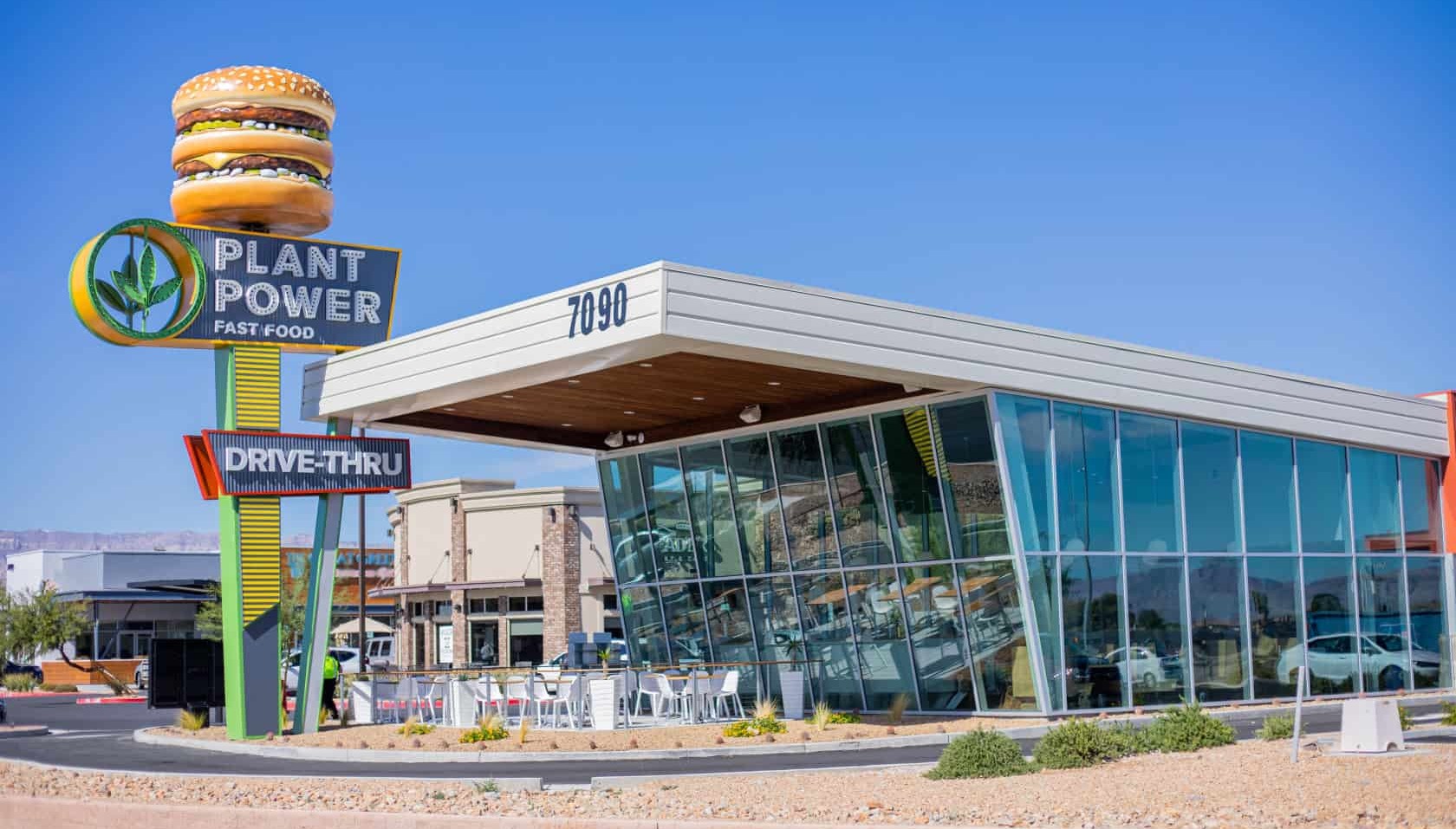
Newer additions to the LA vegan landscape include Plant Power Fast Food, which is expanding its presence with multiple locations offering a vegan take on classic fast food favorites. Monty’s Good Burger, another LA-based chain, is also gaining traction with its simple yet satisfying vegan burgers and shakes.
What makes LA’s vegan scene unique is its willingness to experiment and push boundaries. Chefs are constantly innovating with new ingredients and techniques, creating dishes that are both delicious and visually stunning. The city also has a strong sense of community, with a large and active vegan population.
While competition is fierce, LA remains the undisputed vegan capital of the US, at least for now. The city’s vibrant food culture, its commitment to sustainability, and its large and diverse population all contribute to its status as a vegan paradise. It's a place where you can find everything from gourmet vegan meals to casual plant-based snacks.
Menu Innovations & Future Trends
Vegan menus are becoming increasingly sophisticated, with chefs experimenting with a wider range of plant-based ingredients and techniques. Plant-based meat alternatives, such as Beyond Meat and Impossible Foods, are now commonplace, but we’re also seeing a rise in the use of less processed options like seitan, tempeh, and jackfruit.
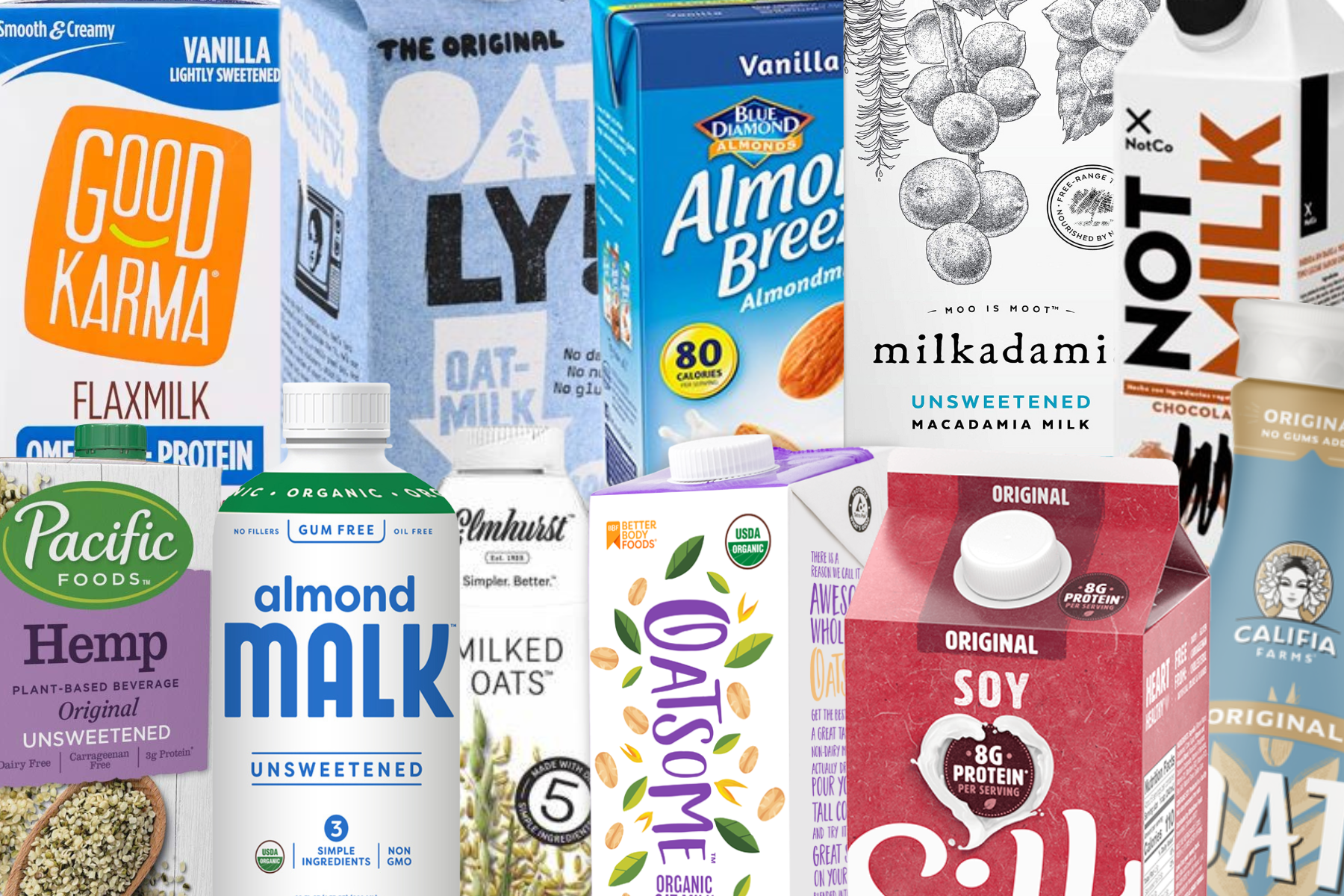
Dairy alternatives are also evolving rapidly. Oat milk has become the dominant choice for many consumers, but other options like almond milk, soy milk, and cashew milk are also gaining popularity. Companies are also developing new plant-based cheeses that more closely mimic the taste and texture of traditional dairy cheese.
Some chains are even experimenting with lab-grown meat and cellular agriculture, although these technologies are still in their early stages of development. The potential to produce meat without harming animals is a major draw for many vegan consumers, but regulatory hurdles and cost considerations remain significant challenges.
Emerging flavor profiles and culinary trends include global fusion cuisine, with chefs incorporating plant-based ingredients into dishes from around the world. We’re also seeing a growing emphasis on whole foods and nutrient-dense ingredients. Expect to see more dishes featuring ancient grains, superfoods, and fermented vegetables.
Challenges & Opportunities Ahead
Despite the impressive growth, vegan restaurant chains still face several challenges. Competition from traditional restaurants is fierce, and many consumers are still hesitant to try plant-based options. Supply chain disruptions and rising food costs can also impact profitability. Price sensitivity is a concern, as vegan meals can sometimes be more expensive than their meat-based counterparts.
Consumer education is also crucial. Many people still have misconceptions about vegan food, believing it to be bland or lacking in protein. Chains need to actively dispel these myths and showcase the deliciousness and nutritional benefits of plant-based cuisine.
However, the opportunities are significant. The growing demand for plant-based options, the increasing investment in the vegan food industry, and the potential for global expansion all point to a bright future. Chains that can adapt to changing consumer preferences, build strong supply chains, and effectively communicate their value proposition are well-positioned to thrive.
To succeed in the long term, vegan restaurant chains need to focus on innovation, sustainability, and community building. They need to create menus that appeal to a wide range of tastes, minimize their environmental impact, and foster a loyal customer base. It’s not just about serving vegan food; it's about creating a positive and impactful dining experience.
What's the biggest barrier preventing you from eating at vegan restaurants more often?
Vote below and let us know which factor most affects how often you dine at vegan restaurants.
No comments yet. Be the first to share your thoughts!