
Beyond Soy: The 2026 Vegan Milk Landscape
The vegan milk market has exploded in recent years, and 2026 is shaping up to be a particularly interesting time. What was once a limited selection largely dominated by soy milk is now a diverse range of options, from oat and almond to cashew and macadamia. This isn’t just about avoiding dairy anymore; it’s about finding a plant-based milk that truly fits your lifestyle and taste preferences. Growth continues to be strong, driven by increasing awareness of the health and environmental impacts of dairy, and a broader acceptance of veganism.
Consumer trends are shifting too. Flavor is a major driver, with baristas demanding milks that foam well and don’t overpower coffee. Nutritional concerns are also paramount, with many people looking for higher protein content or added vitamins. We’re seeing more innovation in this area, with brands fortifying their milks and experimenting with different blends to create optimal nutritional profiles. It's no longer a question of if you can find a vegan milk, but which one is the best for you.
The increased availability of these alternatives has fundamentally changed the game. A few years ago, you might have had to visit a specialty store to find a decent selection; now, most supermarkets have a dedicated vegan milk section. This wider availability has shifted the focus from simply finding an alternative to dairy to choosing the best alternative, considering factors like taste, nutrition, sustainability, and price. It's a good time to be a vegan – or simply someone looking to explore plant-based options.
The Top 8 Vegan Milks of 2026: A Ranked Taste Test
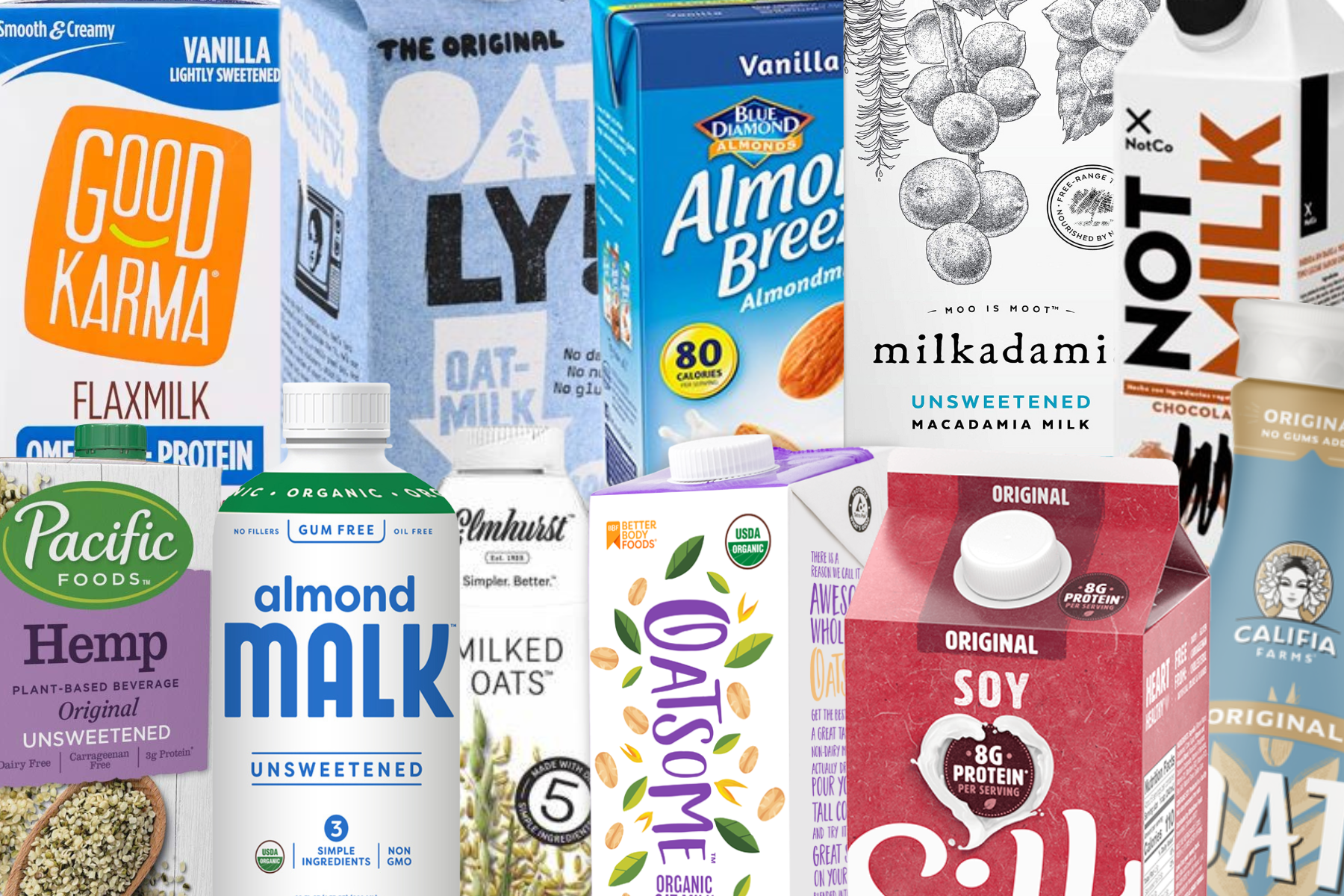
Ranking vegan milks is a subjective business, but after extensive testing, here’s my take on the best options available in 2026. This isn’t about declaring one milk "superior’ overall, but about identifying strengths and weaknesses and recommending options for different uses. I"ve focused on widely available brands and considered both sweetened and unsweetened varieties.
1. Oat Milk (Oatly Barista Edition): Oat milk continues to reign supreme, and Oatly’s Barista Edition is still the gold standard. It boasts a naturally creamy texture, a subtle sweetness, and foams beautifully for lattes. It doesn’t have a strong oat flavor, which makes it versatile for coffee, cereal, and baking. However, it’s relatively low in protein and can be higher in carbohydrates than some other options. It's a great all-rounder, but not ideal if you’re watching your sugar intake.
2. Pea Milk (Ripple): Don’t let the name put you off – Ripple is surprisingly delicious. It has a neutral flavor, a creamy texture similar to cow’s milk, and is packed with protein (8g per cup). It’s also a good source of calcium and vitamin D. It’s slightly more expensive than some other options, and the flavor can be a bit bland for some, but it’s a fantastic choice for those prioritizing protein. I find it works well in smoothies and protein shakes.
3. Almond Milk (Califia Farms Unsweetened): Califia Farms consistently delivers a high-quality almond milk. The unsweetened version has a clean, nutty flavor and a light texture. It's relatively low in calories and fat, but also low in protein. It's best used in cereal, smoothies, or as a light addition to coffee. Be aware that almond milk production can be water-intensive, which is a sustainability concern.
4. Soy Milk (Silk Original): Soy milk is a classic for a reason. It has a slightly beany flavor, but it’s also a good source of protein and potassium. Silk’s Original soy milk is widely available and affordable. It works well in baking and cooking, but some people may not enjoy the flavor as much as other options. It’s a reliable choice, and the protein content makes it a good alternative to cow’s milk.
5. Cashew Milk (Silk Cashew Milk): Cashew milk is incredibly creamy and has a subtle, slightly sweet flavor. Silk’s Cashew Milk is a good option for those who want a rich and decadent milk alternative. It’s lower in protein than soy or pea milk, but it’s a delicious treat. I enjoy it in coffee or as a base for desserts. It’s also lower in calories than some other nut milks.
6. Coconut Milk (So Delicious Coconut Milk Beverage): So Delicious’s Coconut Milk Beverage is a good option for those who love the taste of coconut. It has a creamy texture and a distinct coconut flavor. It’s best used in smoothies, desserts, or tropical-inspired dishes. It’s lower in protein than some other options and can be high in saturated fat. It’s delicious, but not an everyday milk for everyone.
7. Hemp Milk (Pacific Foods Hemp Milk): Hemp milk has a slightly earthy flavor and a creamy texture. Pacific Foods Hemp Milk is a good source of omega-3 and omega-6 fatty acids. It’s a bit of an acquired taste, but it’s a nutritious and sustainable option. I’ve found it works well in smoothies and oatmeal. It’s not as versatile as some other milks.
8. Macadamia Milk (Milkadamia Macadamia Milk): Macadamia milk is the newest contender in the vegan milk arena. It's incredibly smooth and creamy, with a subtle, buttery flavor. It's also relatively low in sugar and calories. However, it's one of the more expensive options, and it's not as widely available as other milks. It's a luxurious treat, but not necessarily an everyday staple.
Featured Products
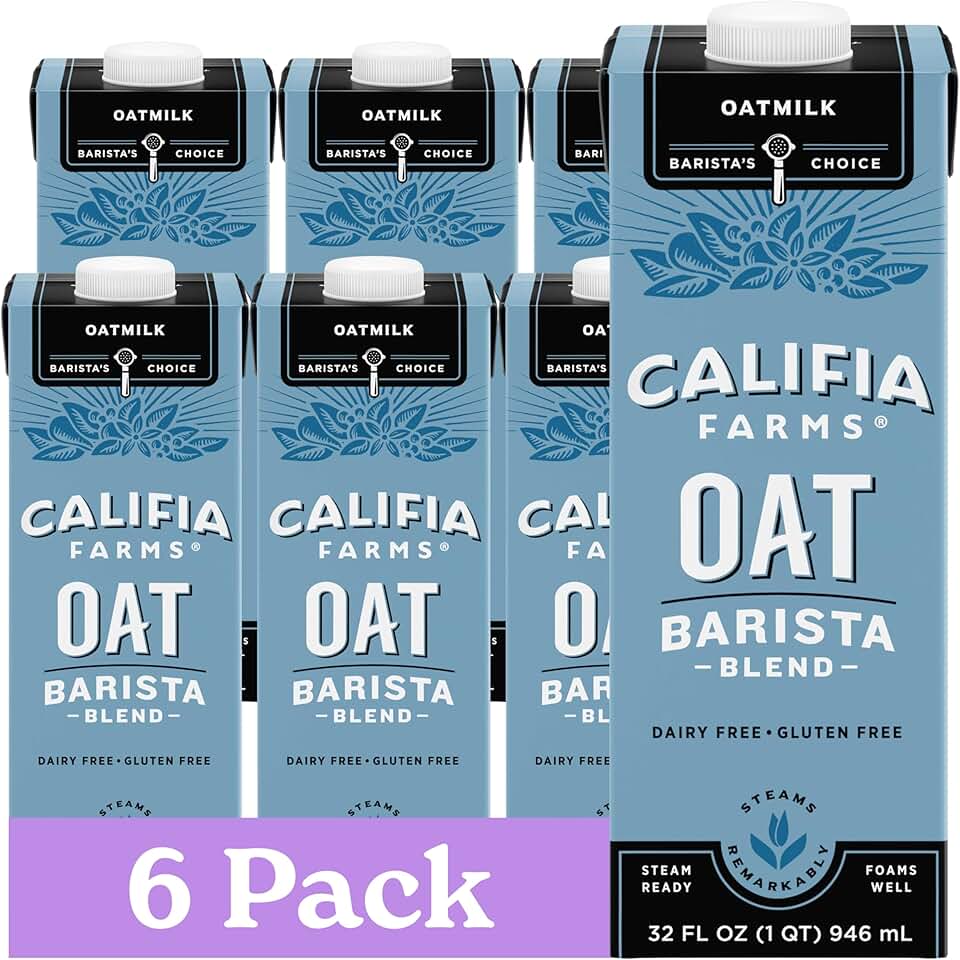
Specially formulated for baristas, creating rich foam for lattes and cappuccinos. · Made with gluten-free oats and is non-GMO. · High in calcium and suitable for various dietary needs including dairy-free, vegan, and plant-based diets.
Califia Farms Oat Barista Blend is a top choice for its excellent frothing capabilities, making it ideal for coffee enthusiasts and home baristas seeking a creamy texture.
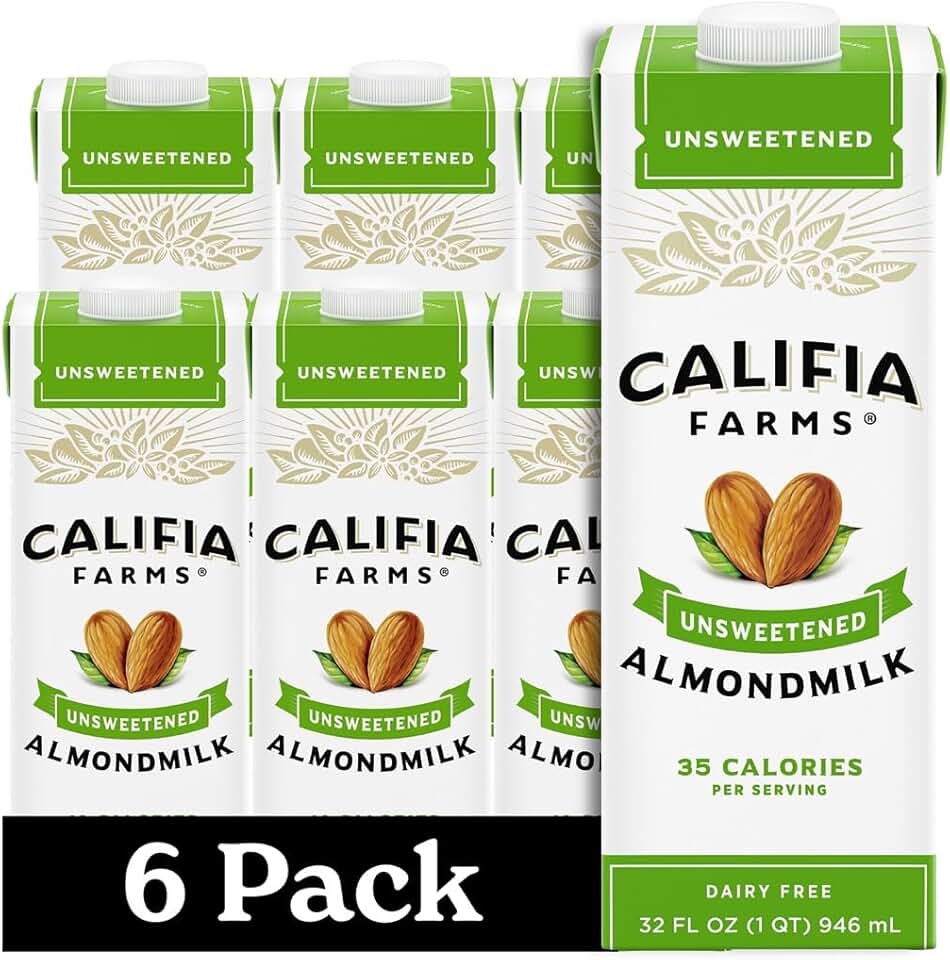
Unsweetened and sugar-free, making it a keto-friendly option. · Rich in calcium and suitable for dairy-free, vegan, and gluten-free diets. · Shelf-stable for convenience and versatile for smoothies or as a creamer.
This unsweetened almond milk from Califia Farms is recommended for its clean taste and low sugar content, fitting well into keto and health-conscious lifestyles.

USDA Organic and Non-GMO Project Verified. · Unsweetened flavor profile. · Provides a dairy-free, vegan, and plant-based alternative to traditional milk.
Silk Organic Soy Milk is a trusted, USDA Organic option that offers a classic, unsweetened soy milk taste, perfect for those who prefer soy-based alternatives.

Made with just water and walnuts, offering a simple ingredient list. · Dairy-free, gluten-free, vegan, and kosher certified. · Shelf-stable for easy storage and use.
Elmhurst 1925 Walnut Milk stands out for its minimalist ingredient list, providing a rich, nutty flavor derived purely from walnuts and water, ideal for simple, wholesome nutrition.
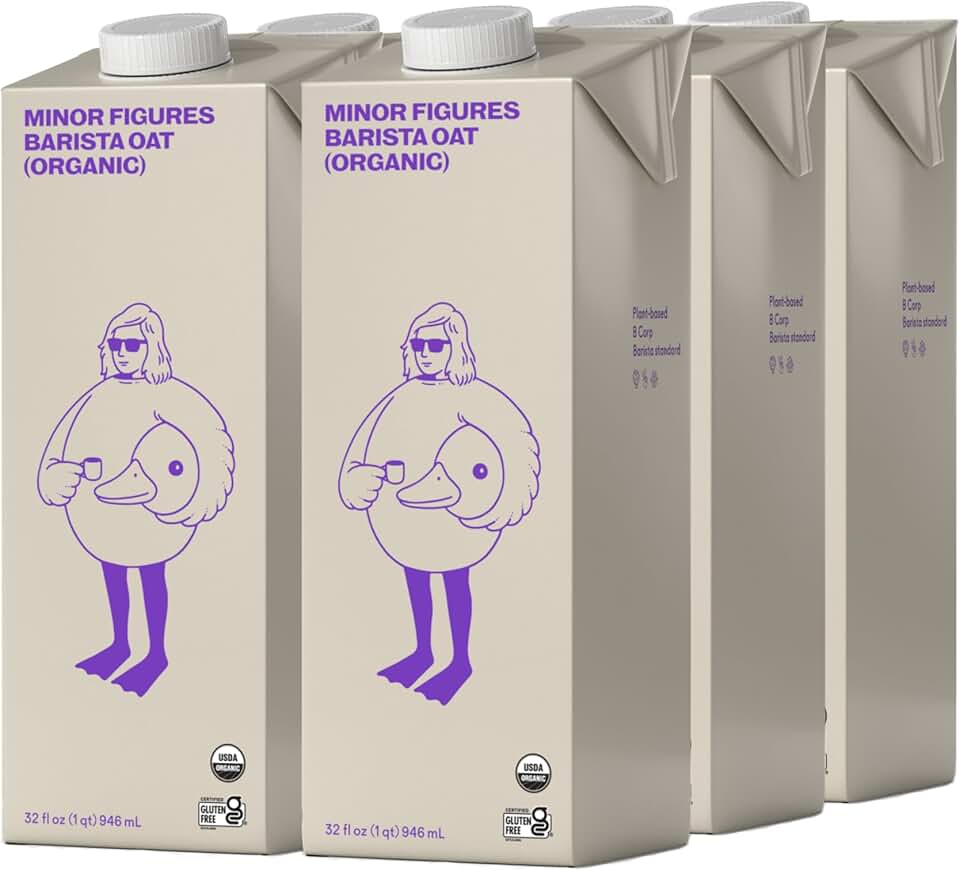
Barista standard, designed for excellent performance in coffee and espresso drinks. · USDA Organic and Non-GMO. · Unsweetened and unsulfured for a pure taste.
Minor Figures Organic Oat Milk is a highly-rated choice for baristas and coffee lovers, praised for its ability to create smooth, creamy microfoam without altering the coffee's flavor.
As an Amazon Associate I earn from qualifying purchases. Prices may vary.
Nutritional Breakdown: What Are You *Actually* Drinking?
It’s easy to assume all vegan milks are created equal nutritionally, but that’s simply not the case. A quick comparison with cow’s milk (8g protein, 8g fat, 12g carbohydrates per cup) reveals some significant differences. Protein content varies dramatically, with pea milk (8g) and soy milk (7-8g) being the closest to cow’s milk. Almond and macadamia milk are notably lower in protein (around 1g per cup).
Fat content also varies. Coconut milk is higher in saturated fat, while almond and hemp milk are lower. Carbohydrate content depends on whether the milk is sweetened or unsweetened. Many brands add sugar to improve the taste, so it’s important to check the label. Some milks are fortified with calcium, vitamin D, and vitamin B12, which are essential nutrients often lacking in vegan diets. Ripple, for example, is fortified with DHA, an omega-3 fatty acid.
It’s crucial to read the nutrition labels carefully. Don’t just focus on calories; consider the overall nutrient profile. If you’re relying on vegan milk as a significant source of protein or calcium, choose a fortified option. Be mindful of added sugars, and opt for unsweetened varieties whenever possible. Remember, a balanced diet is key, and vegan milk is just one component of a healthy lifestyle.
Vegan Milk Alternatives & Cow's Milk: Nutritional Comparison (Per 8oz Serving)
| Milk Type | Calories | Protein (g) | Fat (g) | Carbohydrates (g) | Calcium (mg) | Vitamin D (IU) | Vitamin B12 (mcg) | Added Sugar (g) |
|---|---|---|---|---|---|---|---|---|
| Cow's Milk (Whole) | 150 | 8 | 8 | 12 | 300 | 120 | 0 | 12 |
| Soy Milk (Unsweetened) | 80 | 7 | 4 | 4 | 300 | 100 | 2.4 | 0 |
| Almond Milk (Unsweetened) | 30 | 1 | 2.5 | 1 | 450 | 100 | 0 | 0 |
| Oat Milk (Unsweetened) | 120 | 3 | 5 | 16 | 350 | 100 | 0 | 0 |
| Coconut Milk (Beverage, Unsweetened) | 45 | 0 | 4 | 1 | 450 | 100 | 0 | 0 |
| Rice Milk (Unsweetened) | 70 | 0 | 2 | 13 | 260 | 100 | 0 | 0 |
| Cashew Milk (Unsweetened) | 25 | 0 | 2 | 1 | 450 | 100 | 0 | 0 |
| Pea Milk (Unsweetened) | 70 | 8 | 4.5 | 0 | 450 | 100 | 0 | 0 |
Illustrative comparison based on the article research brief. Verify current pricing, limits, and product details in the official docs before relying on it.
Allergies & Sensitivities: Finding Your Safe Milk
Allergies and sensitivities are a major concern for many people, and vegan milks are no exception. Almonds, soy, and coconut are all common allergens. If you have a nut allergy, obviously avoid almond, cashew, and macadamia milk. Soy allergies are also relatively common, so soy milk is off-limits. Coconut allergies are less frequent, but they do exist.
Cross-contamination is another potential issue. If you have a severe allergy, it’s important to choose brands that are produced in dedicated allergen-free facilities. Always read the label carefully and look for warnings about potential cross-contamination. Hemp milk and oat milk are generally considered to be less allergenic, but it’s still important to be cautious.
If you have multiple allergies or sensitivities, it can be challenging to find a suitable vegan milk. Pea milk is often a good option for those with nut and soy allergies, but it’s important to check the label for any potential cross-contamination. Ultimately, the best approach is to experiment and find a milk that works for your individual needs and preferences.
Sustainability & Ethical Considerations
The environmental impact of vegan milk production varies significantly depending on the source. Almond milk, for example, requires a large amount of water to grow almonds, particularly in drought-prone areas like California. Soy milk production can contribute to deforestation if soybeans are sourced from unsustainable farms. Coconut milk production can also have negative environmental impacts, particularly related to transportation and labor practices.
Oat milk is generally considered to be one of the more sustainable options, as oats require less water and land than almonds or soybeans. Hemp milk is also relatively sustainable, as hemp is a fast-growing plant that requires minimal pesticides and herbicides. Pea milk is another good choice, as peas are nitrogen-fixing plants that can improve soil health.
Ethical concerns related to labor practices are also important to consider. Look for brands that are certified by organizations like Fair Trade, which ensure that workers are treated fairly and receive a living wage. Supporting companies that prioritize sustainability and ethical sourcing is a way to make a positive impact on the planet and the people who produce our food.
DIY Vegan Milk: Is It Worth the Effort?
Making your own vegan milk at home is surprisingly easy, but it’s not necessarily for everyone. It requires some initial investment in equipment (a high-speed blender and a nut milk bag), and it takes time and effort. However, it allows you to control the ingredients and avoid added sugars and preservatives. It's also generally cheaper in the long run.
Basic recipes involve soaking nuts or oats in water, blending them together, and then straining the mixture through a nut milk bag. Almond milk, oat milk, and cashew milk are all relatively easy to make at home. The texture and flavor may not be quite as refined as store-bought options, but it’s a satisfying and sustainable way to enjoy plant-based milk. It's a fun project for those who enjoy DIY food projects.


No comments yet. Be the first to share your thoughts!