
What the vegan lifestyle actually means
Veganism is often mistaken for a strict diet, but it is actually a broader way of living. At its core, it is the practice of trying to exclude all forms of animal exploitation and cruelty. This means avoiding animal products not just in food, but in clothing, cosmetics, and entertainment.
The Vegan Society defines it as a philosophy and way of living that seeks to exclude, as far as is possible and practicable, all forms of exploitation of, and cruelty to, animals for food, clothing or any other purpose. While the dietary aspect is the most visible change, the ethical scope extends to every purchase and habit.
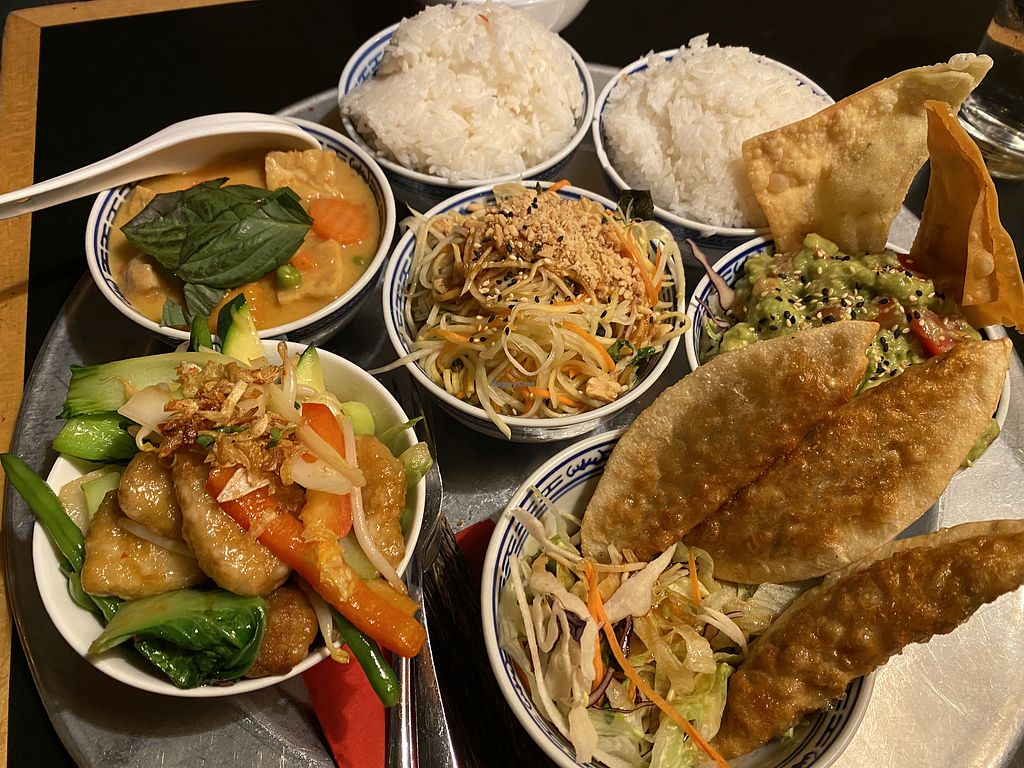
For beginners, this distinction matters. You do not need to be perfect to start. The goal is progress, not perfection. By understanding that veganism is a lifestyle choice rather than just a meal plan, you can approach the transition with a clearer, more practical mindset.
Plan your transition without stress
Moving to a vegan lifestyle doesn’t require an overnight overhaul. In fact, the most sustainable changes happen gradually. By introducing plant-based swaps one at a time, you reduce the mental load of meal planning and give your palate time to adjust. This method prevents the overwhelm that often leads people to abandon their goals after a few weeks.
Think of this transition like upgrading a computer’s operating system. You don’t replace every file at once; you install updates in stages to ensure compatibility and stability. Similarly, swapping out familiar ingredients for plant-based alternatives allows you to discover new flavors and recipes without feeling restricted. Start with meals you already enjoy, such as breakfast or lunch, and expand from there.
Nutritional awareness is the backbone of a successful transition. While whole plant foods are generally nutrient-dense, you need to be mindful of specific nutrients like vitamin B12, iron, calcium, and omega-3 fatty acids. Keeping a few go-to snacks and meals in your rotation ensures you stay energized. For example, keeping canned beans, lentils, and fortified plant milks on hand makes it easy to assemble balanced meals even on busy days.
To help you get started, here is a simple checklist of five easy swaps for your first week. These changes are minimal but impactful, helping you build confidence in the kitchen.
By focusing on addition rather than subtraction, you’ll find that vegan cooking becomes a creative outlet rather than a chore. Start small, stay consistent, and let your taste buds guide you.
Build a Nutritious Plant-Based Plate
Transitioning to a vegan diet requires more than removing animal products; it demands intentional planning to ensure you receive all necessary nutrients. While a well-structured plant-based diet supports heart health and weight management, beginners often overlook specific micronutrients that are less abundant in plants. Focusing on protein, iron, and vitamin B12 provides a solid foundation for sustainable energy and long-term health.
Essential Nutrients to Prioritize
Protein is often the first concern for new vegans, but it is easily obtained through legumes, tofu, tempeh, and quinoa. Rather than relying on processed meat alternatives, whole food sources provide fiber and phytonutrients that support digestion. Iron from plant sources (non-heme iron) is best absorbed when paired with vitamin C, such as citrus fruits or bell peppers, which helps your body utilize the mineral effectively.
Vitamin B12 is the one nutrient that does not naturally occur in reliable amounts in plants. Supplementation or consumption of fortified foods, such as nutritional yeast or plant milks, is non-negotiable for maintaining nerve function and preventing anemia. Calcium is another critical component, easily sourced from fortified plant milks, tofu set with calcium sulfate, and leafy greens like kale and bok choy.
A Complete High-Protein Buddha Bowl
To simplify meal planning, this Buddha Bowl combines complex carbohydrates, plant-based protein, and iron-rich vegetables into a single, balanced plate. The tahini-lemon dressing adds healthy fats that help absorb fat-soluble vitamins from the vegetables.

This bowl provides approximately 25g of protein and a robust profile of iron and fiber. Preparing ingredients in batches allows you to mix and match components throughout the week, making plant-based eating practical rather than burdensome.
Navigating vegan dining and products
Transitioning to a plant-based lifestyle means adjusting how you shop and eat out. The goal is to make these choices practical and sustainable, not restrictive. You can enjoy restaurant meals and household staples without constant guesswork.
Finding vegan options at restaurants
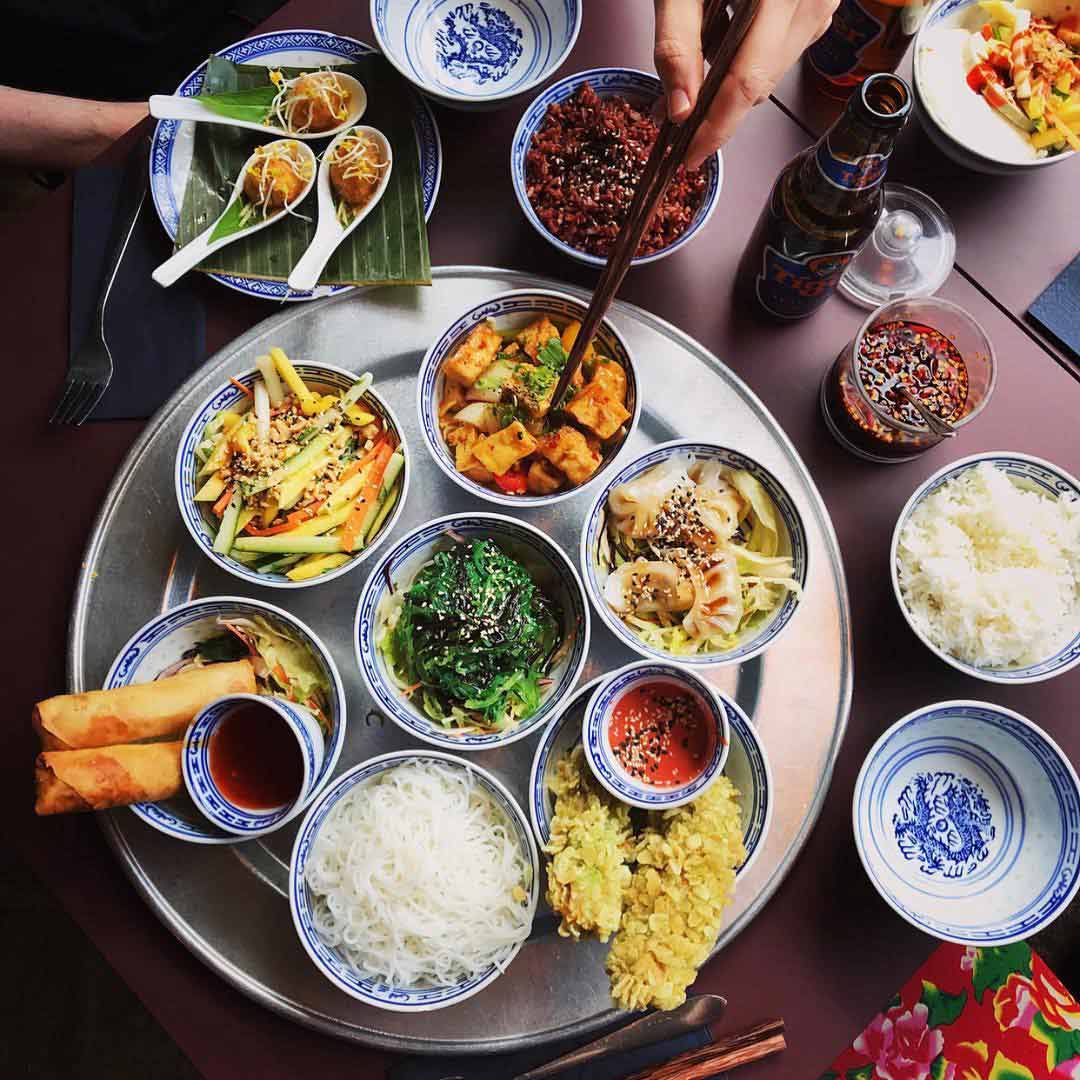
Most restaurants now offer plant-based dishes, but menus vary widely. Look for keywords like "plant-based," "vegan," or "made with vegetables." If options are unclear, ask your server about modifications. Many kitchens can swap dairy cheese for vegan alternatives or omit honey from dressings. Don’t be afraid to call ahead during off-peak hours to ask about menu changes.
Choosing cruelty-free household products
Beyond food, many everyday items contain animal derivatives or are tested on animals. Check labels for hidden ingredients like gelatin, lanolin, or carmine. Look for certified logos from organizations like Leaping Bunny or PETA’s Beauty Without Bunnies. Switching to plant-based cleaning supplies and personal care items reduces your environmental footprint and supports ethical manufacturing.
Common animal ingredients vs. vegan substitutes
Understanding what to avoid helps you shop confidently. Here is a quick reference for common non-vegan ingredients and their plant-based alternatives.
| Common Ingredient | Animal Source | Vegan Substitute | Found In |
|---|---|---|---|
| Gelatin | Animal bones/skin | Agar-agar, pectin | Gummies, marshmallows |
| Casein | Milk protein | Soy or pea protein | Cheese, yogurt |
| Carmine | Crushed insects | Beet juice, paprika | Red lipsticks, candies |
| Whey | Milk byproduct | Soy or rice protein | Protein bars, shakes |
| Lanolin | Sheep wool secretion | Shea butter, coconut oil | Lip balms, lotions |
Frequently asked questions about veganism
Starting a plant-based lifestyle often brings up practical questions. Here are clear answers to the most common concerns beginners face when switching to veganism.
No comments yet. Be the first to share your thoughts!