Why Vegan Meal Prep is a Game Changer in 2024
Remember those weeknights? Rushing home, staring into the fridge, and ultimately ordering takeout because you just don't have the energy to cook? I’ve been there. It’s a cycle that’s both exhausting and expensive. But it doesn't have to be that way. Vegan meal prep is becoming less of a trend and more of a necessity, and for good reason.
The cost of groceries keeps climbing, and more people are exploring plant-based eating than ever before. Combine that with the constant pressure of busy schedules, and you've got a perfect storm where meal prep isn’t just helpful, it’s genuinely life-changing. It’s about reclaiming your time, your health, and your wallet.
This isn't about complicated recipes or restrictive dieting. It's about setting yourself up for success during the week. Imagine opening your fridge and having delicious, healthy vegan meals ready to go. Less stress, more energy, and a significant reduction in food waste. It’s a win-win-win.
I’ve found that even prepping just a few components – like a big batch of quinoa or roasted vegetables – makes a massive difference. It takes a little upfront effort, but the payoff is immense. It's about shifting your mindset from reactive cooking to proactive planning.
Building Your Vegan Meal Prep Arsenal: Essential Tools & Pantry Staples
You don’t need a fancy kitchen to start vegan meal prepping. A few key tools will make the process much smoother, but you can absolutely start with what you have. A good set of knives is essential—investing in a quality chef's knife and a paring knife will make chopping vegetables much easier. Sturdy cutting boards are a must, and I recommend having at least two, one for produce and one for other ingredients.
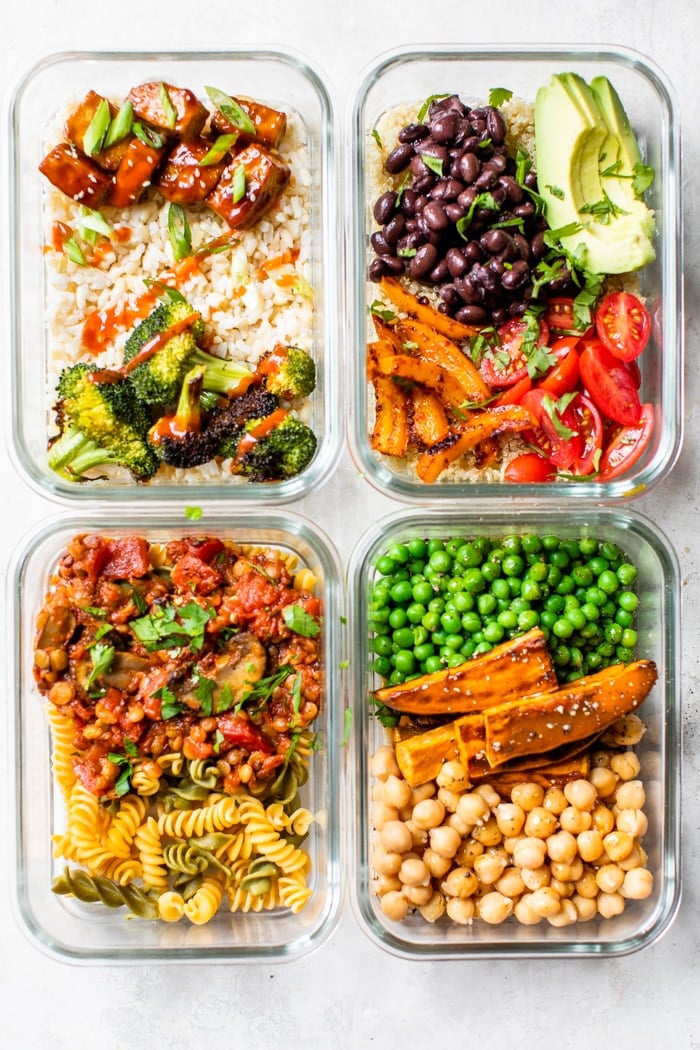
Airtight containers are your best friend. Glass containers are great for reheating and avoiding plastic, but plastic containers are more affordable and lightweight. I use a mix of both. Don’t underestimate the power of a good slow cooker or Instant Pot, either—they’re fantastic for batch cooking beans, soups, and stews. You can find decent options for around $50-$80.
Now, let's talk pantry staples. These are the building blocks of countless vegan meals. Dry beans and lentils are incredibly cheap and versatile. Rice and oats are also budget-friendly and can be used in breakfast, lunch, and dinner. Canned tomatoes, especially crushed and diced, are a staple in my kitchen. Frozen vegetables are just as nutritious as fresh and often more affordable, especially out of season.
Don’t forget spices! A small investment in a variety of spices can transform simple ingredients into flavorful meals. I always have cumin, chili powder, turmeric, garlic powder, onion powder, and smoked paprika on hand. Check out bulk bins at your local health food store or co-op for the best prices, or explore ethnic grocery stores for unique spice blends.
- Chef’s knife: A good quality 8-inch chef’s knife
- Paring knife: For smaller tasks like peeling and trimming
- Cutting boards: At least two, for produce and other ingredients
- Airtight containers: Glass or plastic, various sizes
- Slow cooker or Instant Pot: Optional, but very helpful
10 Essential & Affordable Vegan Meal Prep Tools for 2024
Airtight and leakproof borosilicate glass · Oven, microwave, freezer, and dishwasher safe · BPA-free locking lids
These durable glass containers are perfect for storing prepped meals, are easy to clean, and ensure your food stays fresh.
High-carbon stainless steel blade · Ergonomic, non-slip handle · Dishwasher safe
A high-quality chef's knife is essential for efficient chopping and dicing, making meal prep tasks much faster.
Sharp stainless steel blade · Swiveling head for easy peeling · Non-slip grip
This comfortable and effective peeler makes quick work of vegetables, a staple in many vegan recipes.
10-cup capacity · Programmable settings for various grains · Includes steamer basket
Perfect for batch-cooking grains like rice, quinoa, or oats, this versatile appliance saves time and ensures perfectly cooked staples.
Durable, platinum-grade silicone · Freezer, microwave, and dishwasher safe · Self-sealing pinch lock
These eco-friendly bags are ideal for storing snacks, marinades, or individual portions, reducing waste and saving money.
As an Amazon Associate I earn from qualifying purchases. Prices may vary.
Breakfasts That Power Your Week: 3 Make-Ahead Recipes
Breakfast is often the meal we skip when we’re short on time, but it’s so important for setting the tone for the day. These three make-ahead recipes are designed to be quick, easy, and satisfying. They're also endlessly customizable, so you can switch things up based on your preferences.
First up: Overnight Oats. This is a classic for a reason. Combine 1/2 cup rolled oats, 1 cup plant-based milk (I like soy or almond), 1 tablespoon chia seeds, and 1 teaspoon maple syrup in a jar or container. Add your favorite toppings – berries, nuts, seeds, or a spoonful of peanut butter. Let it sit in the fridge overnight, and it’s ready to go in the morning. Prep time: 5 minutes. Cook time: 0 minutes. Yield: 1 serving. You can easily double or triple this recipe for the week.
Next, Maple Oat Breakfast Bread. This is a slice-and-go option that's perfect for busy mornings. Combine 1 1/2 cups rolled oats, 1 cup plant-based milk, 1/4 cup maple syrup, 1 teaspoon baking powder, and a pinch of salt. Pour into a loaf pan and bake at 350°F for 30-35 minutes. Let cool completely before slicing and storing in an airtight container. Prep time: 10 minutes. Cook time: 35 minutes. Yield: 8 slices. Feel free to add blueberries, chocolate chips, or chopped nuts.
Finally, Simple Rice Pudding. This is a comforting and satisfying breakfast that's surprisingly easy to make. Combine 1/2 cup cooked rice (leftover is perfect), 1 cup plant-based milk, 2 tablespoons maple syrup, and 1/2 teaspoon vanilla extract in a saucepan. Simmer for 10-15 minutes, stirring occasionally, until thickened. Let cool and store in an airtight container. Prep time: 5 minutes. Cook time: 15 minutes. Yield: 2 servings. Add a sprinkle of cinnamon or nutmeg for extra flavor.
Lunch & Dinner Domination: 6 Versatile Main Meal Recipes
Now for the main event: lunch and dinner. These six recipes are designed to be versatile, flavorful, and freezer-friendly. I’ve focused on recipes that can be easily adapted based on what’s in season or on sale. Remember, the goal is to make meal prep work for you, not against you.
Let’s start with Red Lentil Soup. This is a hearty and comforting soup that's packed with protein and fiber. Sauté 1 onion, 2 carrots, and 2 celery stalks in olive oil. Add 1 cup red lentils, 6 cups vegetable broth, 1 teaspoon cumin, and 1/2 teaspoon turmeric. Bring to a boil, then simmer for 20-25 minutes, until lentils are tender. Prep time: 15 minutes. Cook time: 25 minutes. Yield: 6 servings. This soup freezes beautifully.
Next, Turmeric-Miso Soup with Shiitakes. This soup is incredibly flavorful and nourishing. Sauté 8 oz shiitake mushrooms in olive oil. Add 6 cups vegetable broth, 2 tablespoons miso paste, 1 teaspoon turmeric, and 1/4 cup chopped green onions. Bring to a boil, then simmer for 10 minutes. Prep time: 10 minutes. Cook time: 15 minutes. Yield: 4 servings. A squeeze of lemon juice brightens up the flavors.
For a lighter option, try Vibrant Lunch Bowls. Cook 1 cup quinoa or brown rice. Roast 1 sweet potato, 1 cup broccoli florets, and 1/2 cup chickpeas with olive oil and spices. Combine the grains, roasted vegetables, and chickpeas in a bowl. Top with a tahini dressing (recipe in the next section). Prep time: 20 minutes. Cook time: 30 minutes. Yield: 4 servings. Feel free to swap out the vegetables based on your preferences.
Black Bean Burgers are a freezer staple. Mash 1 can black beans with 1/2 cup cooked rice, 1/4 cup breadcrumbs, 1 tablespoon chili powder, and 1 teaspoon cumin. Form into patties and bake at 375°F for 20-25 minutes. Prep time: 15 minutes. Cook time: 25 minutes. Yield: 4 burgers. Serve on buns with your favorite toppings. Vegan Chili is a classic for a reason. Sauté 1 onion, 1 bell pepper, and 2 cloves garlic in olive oil. Add 1 can diced tomatoes, 1 can kidney beans, 1 can black beans, 1 tablespoon chili powder, and 1 teaspoon cumin. Simmer for 30 minutes. Prep time: 10 minutes. Cook time: 30 minutes. Yield: 6 servings.
Finally, Sheet Pan Roasted Vegetable & Tofu. Toss 1 block firm tofu (pressed and cubed) with 1 cup broccoli florets, 1 cup bell pepper chunks, and 1/2 cup red onion wedges. Drizzle with olive oil and your favorite spices. Roast at 400°F for 25-30 minutes. Prep time: 15 minutes. Cook time: 30 minutes. Yield: 4 servings. This is a great way to use up leftover vegetables.
The Building Blocks: Prepping Grains, Beans, Proteins & Sauces in Bulk
The real magic of meal prep happens when you start thinking in terms of components. Instead of making entire meals at once, focus on preparing individual ingredients that can be mixed and matched throughout the week. This saves time and prevents food boredom.
Start with grains. Cook a large batch of quinoa, brown rice, or farro (about 2-3 cups dry) and store it in an airtight container in the fridge. It will keep for up to 5 days. Next, tackle beans. While canned beans are convenient, dry beans are significantly cheaper. Cook a pot of lentils or black beans and freeze them in 1-2 cup portions. Roasted vegetables are another versatile component. Roast a large tray of broccoli, sweet potatoes, or Brussels sprouts and use them in bowls, salads, or as a side dish.
Don't underestimate the power of a good sauce. A simple tahini dressing (tahini, lemon juice, water, garlic) can transform a plain bowl of grains and vegetables. A peanut sauce (peanut butter, soy sauce, maple syrup, lime juice) is great for noodles or stir-fries. And a flavorful vinaigrette (olive oil, vinegar, mustard, herbs) is perfect for salads. Make a batch of each and store them in airtight containers in the fridge.
The key is to think about how these components can be combined in different ways. Grains + beans + roasted vegetables + sauce = endless possibilities. This approach makes meal prep feel less restrictive and more creative.
- Grains: Quinoa, brown rice, farro
- Beans: Lentils, black beans, chickpeas
- Vegetables: Broccoli, sweet potatoes, Brussels sprouts
- Sauces: Tahini dressing, peanut sauce, vinaigrette
Grain Comparison for Vegan Meal Prep: Cost, Time & Yield
| Grain | Approximate Cook Time (cups uncooked) | Approximate Cost per Cup (uncooked) | Yield (cups cooked, from 1 cup uncooked) | Glycemic Index (GI) |
|---|---|---|---|---|
| White Rice (Long Grain) | 20-25 minutes | $0.20 - $0.30 | 3 cups | 73 |
| Brown Rice (Long Grain) | 45-50 minutes | $0.25 - $0.35 | 3 cups | 50 |
| Quinoa | 15-20 minutes | $0.50 - $0.70 | 3 cups | 53 |
| Farro (Pearled) | 20-25 minutes | $0.40 - $0.60 | 3 cups | 48 |
| Barley (Pearled) | 25-30 minutes | $0.30 - $0.40 | 3 cups | 28 |
| Wild Rice | 45-60 minutes | $0.60 - $0.80 | 4.5 cups | 64 |
| Black Rice | 30-40 minutes | $0.70 - $0.90 | 3 cups | 42 |
Data sourced from AI research — verify before making decisions
Smart Shopping & Saving Money on Your Vegan Prep
Vegan eating doesn't have to be expensive. In fact, meal prepping can actually save you money. The key is to be strategic about your shopping. Bulk purchasing is a great way to cut costs. Look for bulk bins at your local health food store or co-op – you can often buy grains, beans, and nuts at a fraction of the price.
Strategic shopping also means choosing frozen over fresh when appropriate. Frozen fruits and vegetables are just as nutritious as fresh and often more affordable, especially out of season. Embrace store brands – they’re usually just as good as name brands, but cheaper. And plan your meals around sales. Check your local grocery store’s flyer before you go shopping and build your menu around what’s on sale.
Smart staples are your friends. Potatoes, sweet potatoes, carrots, onions, and cabbage are all incredibly affordable and versatile. They can be used in countless dishes and will keep for a long time. Growing your own herbs is another great way to save money. Even a small herb garden on your windowsill can provide you with fresh herbs for cooking.
Finally, minimize food waste. Use leftovers creatively, and don’t be afraid to freeze things. A little planning can go a long way in saving you both time and money.
Storage & Safety: Keeping Your Meals Fresh (and Safe!)
Proper storage is crucial for keeping your meals fresh and safe. When it comes to freezing, most vegan meals will stay good for up to 3 months for optimal quality, though they’ll still be safe to eat after that. Soups, stews, and casseroles freeze particularly well. Label your containers with the date and contents so you know what’s inside and how long it’s been in the freezer.
An organized system is key. Rotate older portions to the front of the fridge or freezer and newer portions to the back. This helps ensure you use everything before it goes bad. Choose the right containers. Glass containers are great for reheating and avoiding plastic, but plastic containers are more affordable and lightweight. Make sure your containers are airtight to prevent freezer burn.
Freezer burn can be prevented by wrapping food tightly in plastic wrap before placing it in a container. Reheating safely is also important. Make sure your food is heated thoroughly to an internal temperature of 165°F. When in doubt, err on the side of caution.
Paying attention to these details will help you enjoy your meal prepped meals safely and deliciously for days to come.
- Freezer Timeline: Consume within 3 months for best quality.
- Labeling: Date and contents on all containers.
- Rotation: Older portions to the front, newer to the back.
- Airtight Containers: Prevent freezer burn.
No comments yet. Be the first to share your thoughts!