

How we picked the best vegan products
We focused on pantry staples that actually replace animal ingredients rather than just mimicking them. The list prioritizes items you can find in most grocery stores or order via Amazon, ensuring you don't need a specialty health food tour to stock up.
Each product was evaluated on three main criteria: ingredient transparency, nutritional density, and culinary versatility. We avoided items loaded with excessive sodium or unrecognizable additives, favoring brands that clearly label their protein and fiber content. If a product couldn't stand up to a quick taste test or failed a basic nutrition check, it didn't make the cut.
We also looked at value. Vegan products can be pricey, so we highlighted options that offer good bang for your buck without sacrificing quality. The goal is a sustainable shopping list, not a one-time novelty purchase.


As an Amazon Associate, we may earn from qualifying purchases.
The following sections break down exactly why these specific items earned their spots on your 2026 reset list.
10 Essential Plant-Based Products for Healthy Vegan Eating
Building a resilient vegan pantry requires a mix of whole foods, versatile staples, and high-quality alternatives. Below are ten essential items that form the backbone of a healthy, sustainable plant-based diet, selected for their nutritional density and culinary utility.
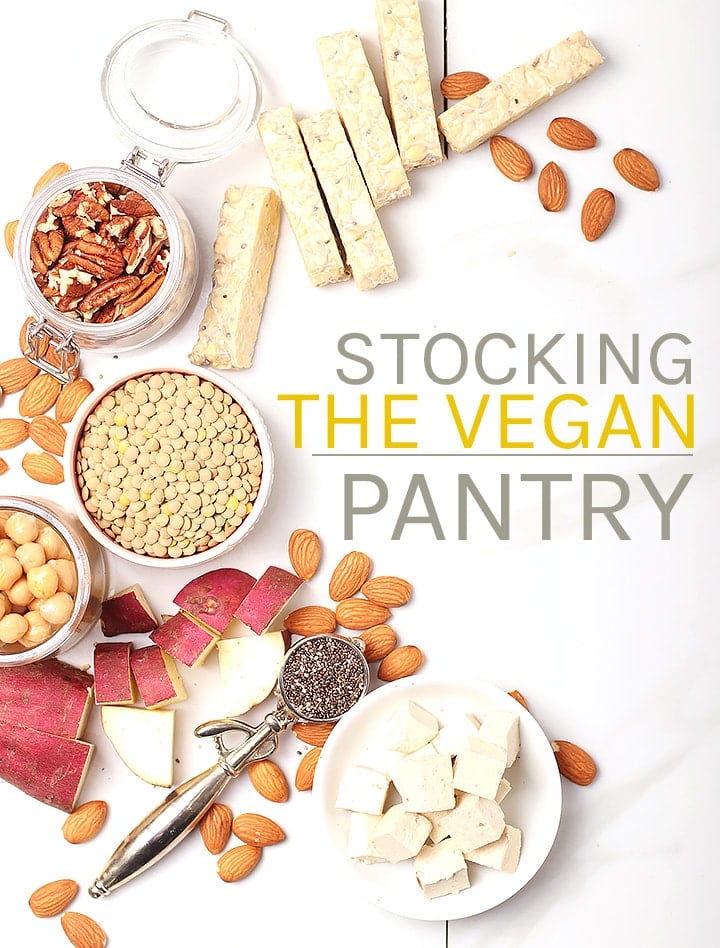
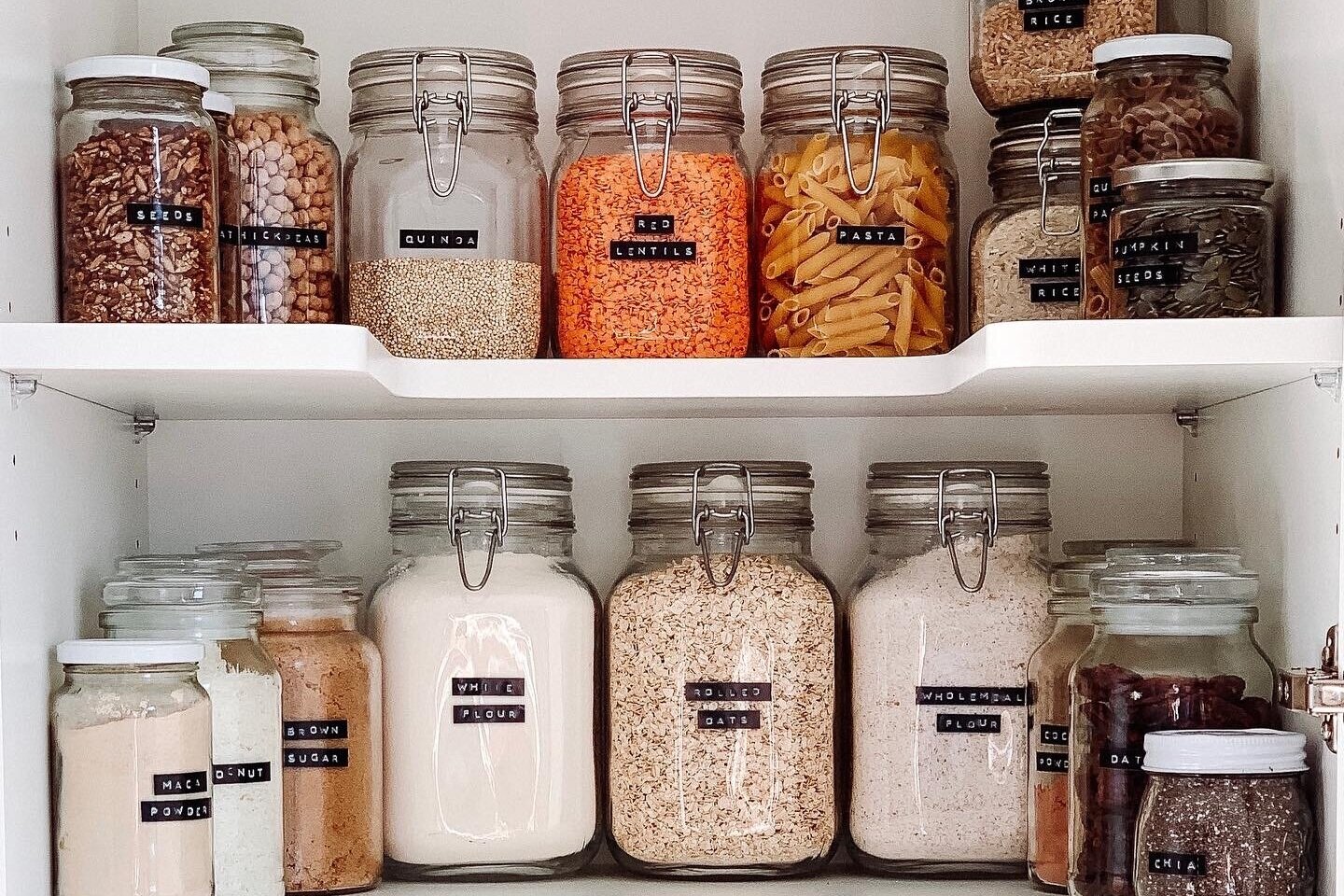
- Rolled Oats: A versatile breakfast base rich in beta-glucan fiber. Choose old-fashioned or steel-cut oats for better texture and slower digestion than instant packets loaded with sugar.
- Dried Lentils: One of the most affordable protein sources available. They cook quickly without soaking and hold their shape well in soups, stews, and salads, providing essential iron and folate.
- Chickpeas: Essential for hummus, curries, and roasting. Canned chickpeas are convenient, but dried offer better texture and lower sodium. They are a great source of plant-based protein and fiber.
- Quinoa: A complete protein containing all nine essential amino acids. It serves as an excellent grain alternative for those avoiding gluten, with a nutty flavor that pairs well with both sweet and savory dishes.
- Tofu (Firm/Extra Firm): A neutral canvas for marinades and spices. High in protein and calcium (if calcium-set), it absorbs flavors beautifully and provides a meat-like texture when pressed and baked or stir-fried.
- Tempeh: A fermented soy product with a denser texture and nuttier flavor than tofu. The fermentation process aids digestion and increases bioavailability of nutrients, making it a powerhouse for gut health.
- Nutritional Yeast: Known for its cheesy, nutty flavor, this deactivated yeast is a key vegan staple for adding umami depth to sauces, popcorn, and pasta dishes. It is often fortified with B12, a critical nutrient for vegans.
- Chia Seeds: Tiny seeds that expand in liquid to form a gel, making them ideal for egg replacements in baking and adding omega-3 fatty acids to smoothies and oatmeal. They are also rich in fiber and antioxidants.
- Almond Butter: A nutrient-dense spread providing healthy fats, protein, and vitamin E. Choose varieties with no added sugar or hydrogenated oils to maximize health benefits. Great for toast, smoothies, or baking.
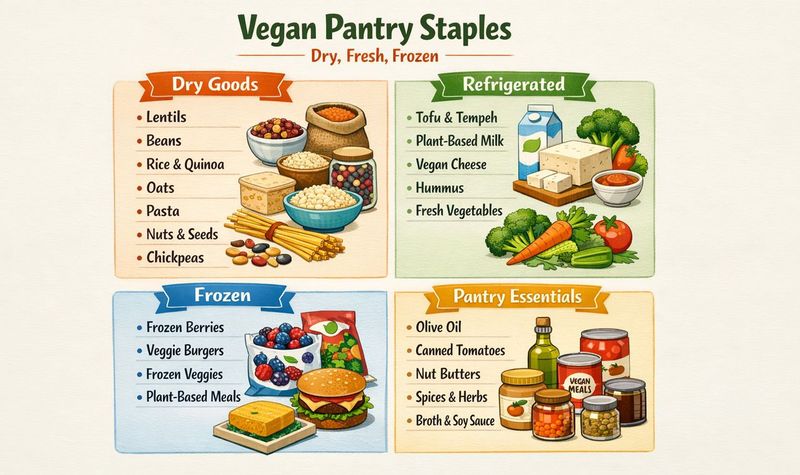
- Frozen Mixed Vegetables: A cost-effective way to ensure consistent vegetable intake. Flash-frozen at peak ripeness, they retain most of their nutritional value and are perfect for quick stir-fries, soups, and side dishes when fresh produce isn't available.
Look for recognizable ingredients. Short lists with whole-food bases like lentils, oats, or mushrooms often offer better nutrition profiles than highly processed alternatives filled with isolates and stabilizers.
Check the nutrition label for protein per serving. Higher protein items like tempeh or seitan keep you fuller longer and help maintain muscle mass better than low-protein veggie burgers or snacks.
Many vegan processed foods are high in sodium to boost flavor. Aim for products with less than 480mg per serving to keep your diet heart-healthy and reduce water retention.
Identify your triggers. Many vegan meats rely on soy, wheat (gluten), or nuts. If you have sensitivities, look for specific certifications like "gluten-free" or "soy-free" on the packaging.
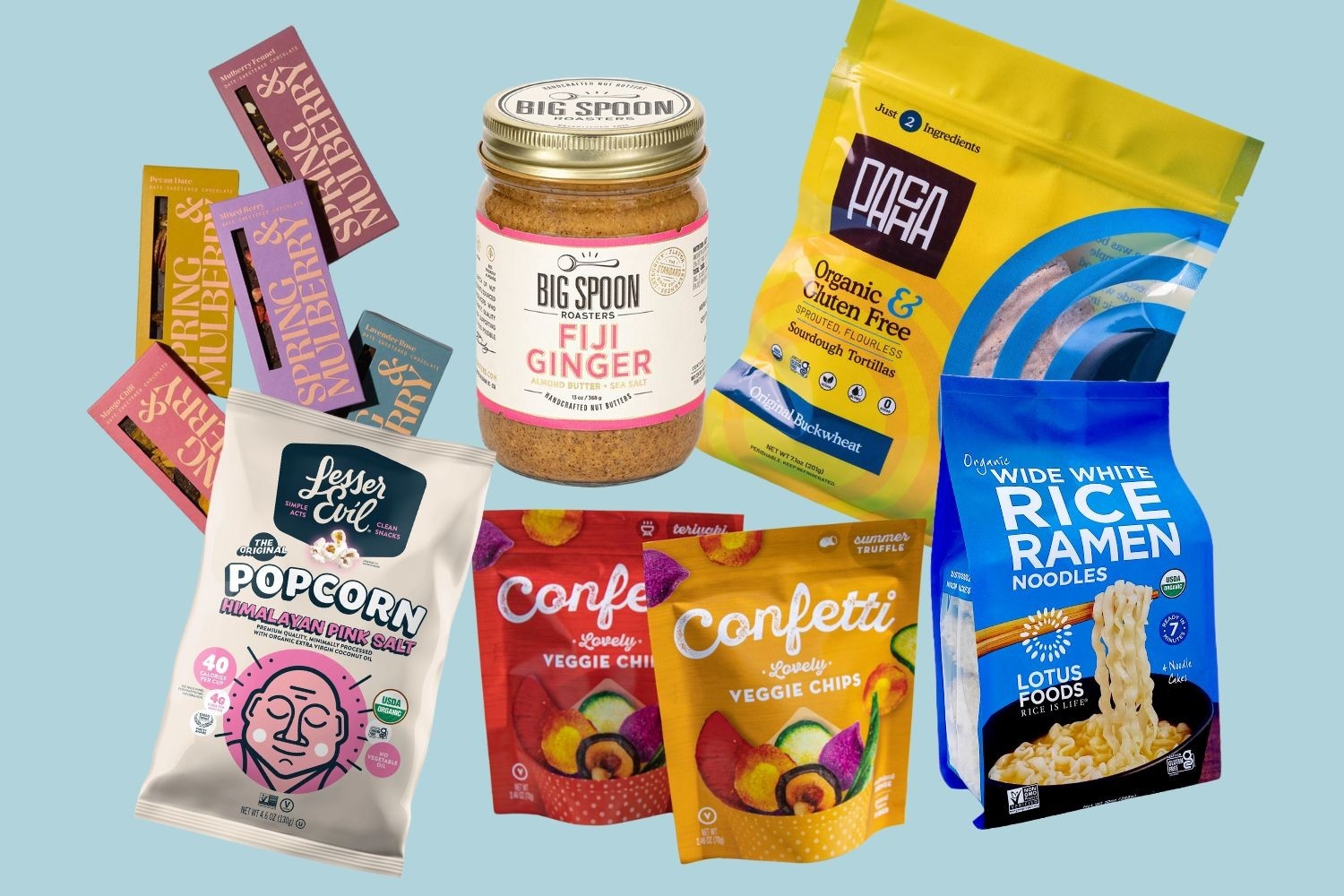
Choose items that work in multiple dishes. A jar of good plant-based cheese or a bag of versatile legumes adds value by fitting into tacos, salads, and pastas alike, reducing food waste.
-
Scan for whole-food ingredients first.
-
Confirm protein and fiber content.
-
Check sodium and allergen warnings.
-
Ensure the item fits multiple meals.
No comments yet. Be the first to share your thoughts!