The Power of Plant-Based Protein: Why High-Protein Vegan Recipes Matter
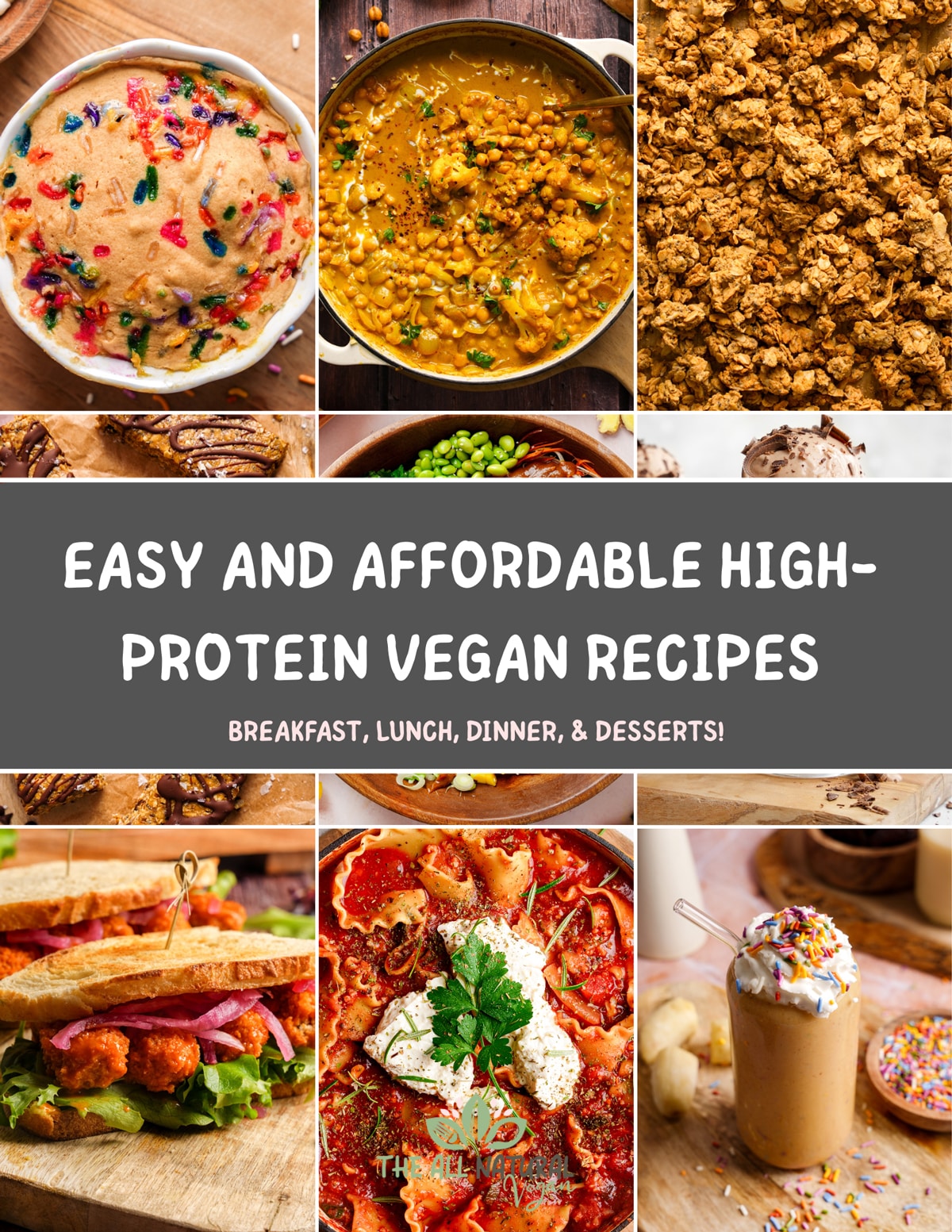
The landscape of vegan nutrition has evolved dramatically, with high-protein plant-based meals now taking center stage in kitchens worldwide. Gone are the days when vegans struggled to meet their protein requirements – today's high protein vegan recipes offer both exceptional nutritional value and remarkable satiety that can sustain you throughout even the most demanding days.
Understanding the science behind plant-based protein is crucial for anyone looking to optimize their vegan diet. Unlike the common misconception that plant proteins are incomplete, many vegan protein sources provide all essential amino acids your body needs. The key lies in knowing which ingredients to combine and how to prepare them for maximum nutritional impact.
Essential Vegan Protein Sources That Deliver Results
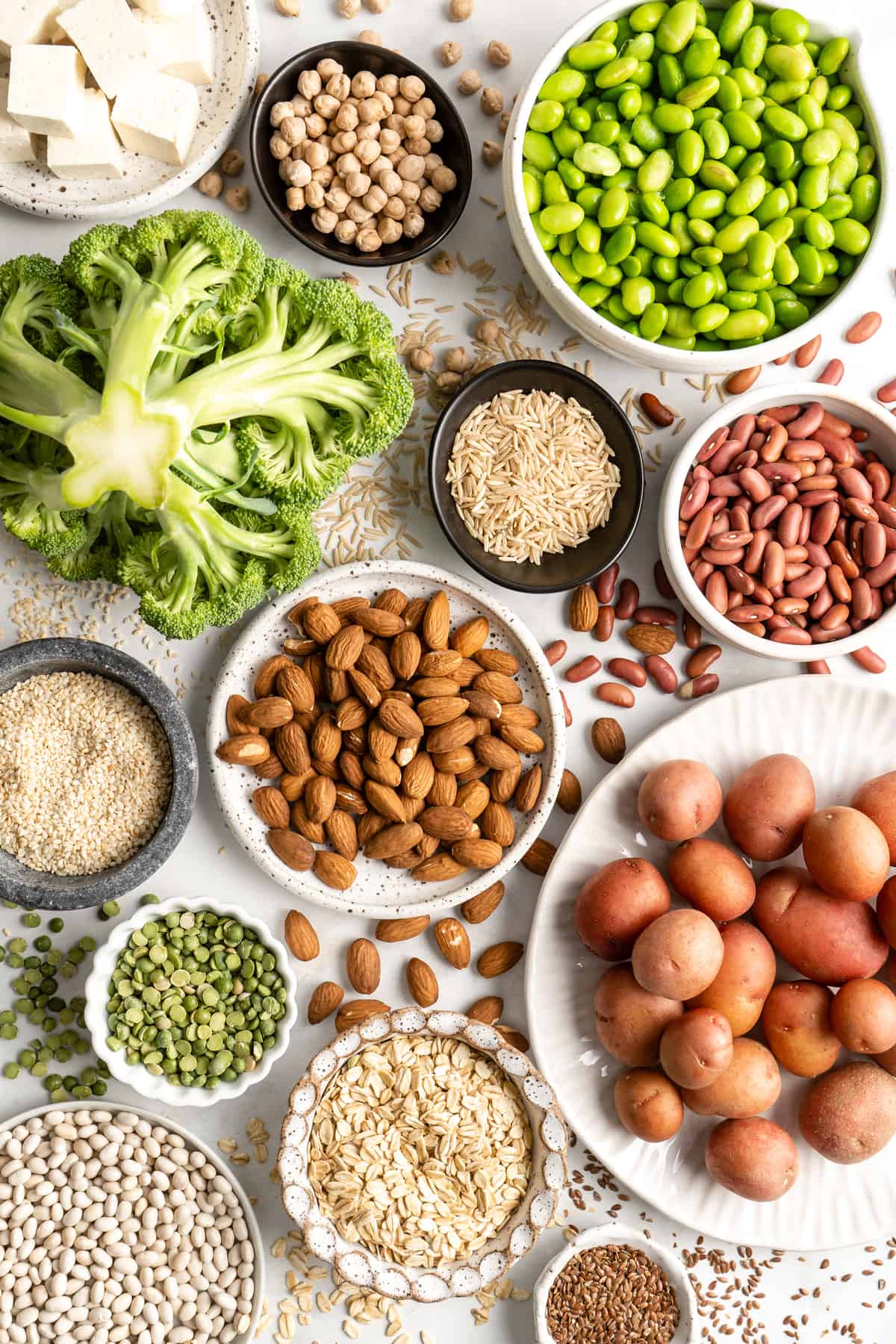
The foundation of any successful high-protein vegan meal plan rests on understanding your protein sources. Legumes form the backbone of plant-based protein nutrition, with lentils leading the charge at approximately 17.86 grams of protein per cooked cup. These nutritional powerhouses also provide substantial fiber, keeping you satisfied for hours while supporting digestive health.
Soy products represent perhaps the most versatile category of vegan protein sources. Tofu, tempeh, and edamame offer complete protein profiles, delivering 15-20 grams of protein per 100-gram serving. What makes soy particularly valuable is its adaptability – it readily absorbs flavors while maintaining its protein density across various cooking methods.
Whole grains and seeds add both texture and substantial protein content to your meals. Quinoa stands out as a complete protein grain, while chia seeds pack an impressive protein punch in a tiny package. These ingredients work exceptionally well in both sweet and savory applications, making them invaluable for meal planning.
The Science of Satiety in Plant-Based Meals
Creating plant-based protein meals that truly satisfy requires understanding how different nutrients work together. Protein alone isn't enough – the combination of protein, fiber, and healthy fats creates the sustained energy release that keeps hunger at bay. This is where strategic recipe development becomes crucial.
High-protein vegan recipes that incorporate multiple protein sources often provide superior amino acid profiles compared to single-source meals. For example, combining legumes with whole grains creates a complete protein that rivals any animal product in nutritional value. This principle guides the development of truly satisfying vegan meals.
Test Your High-Protein Vegan Knowledge
Think you know your way around plant-based protein? This quiz will challenge your understanding of high-protein vegan ingredients, cooking techniques, and nutritional facts that can help you create satisfying meals that keep you energized all day long.
Recipe Categories That Maximize Protein Impact
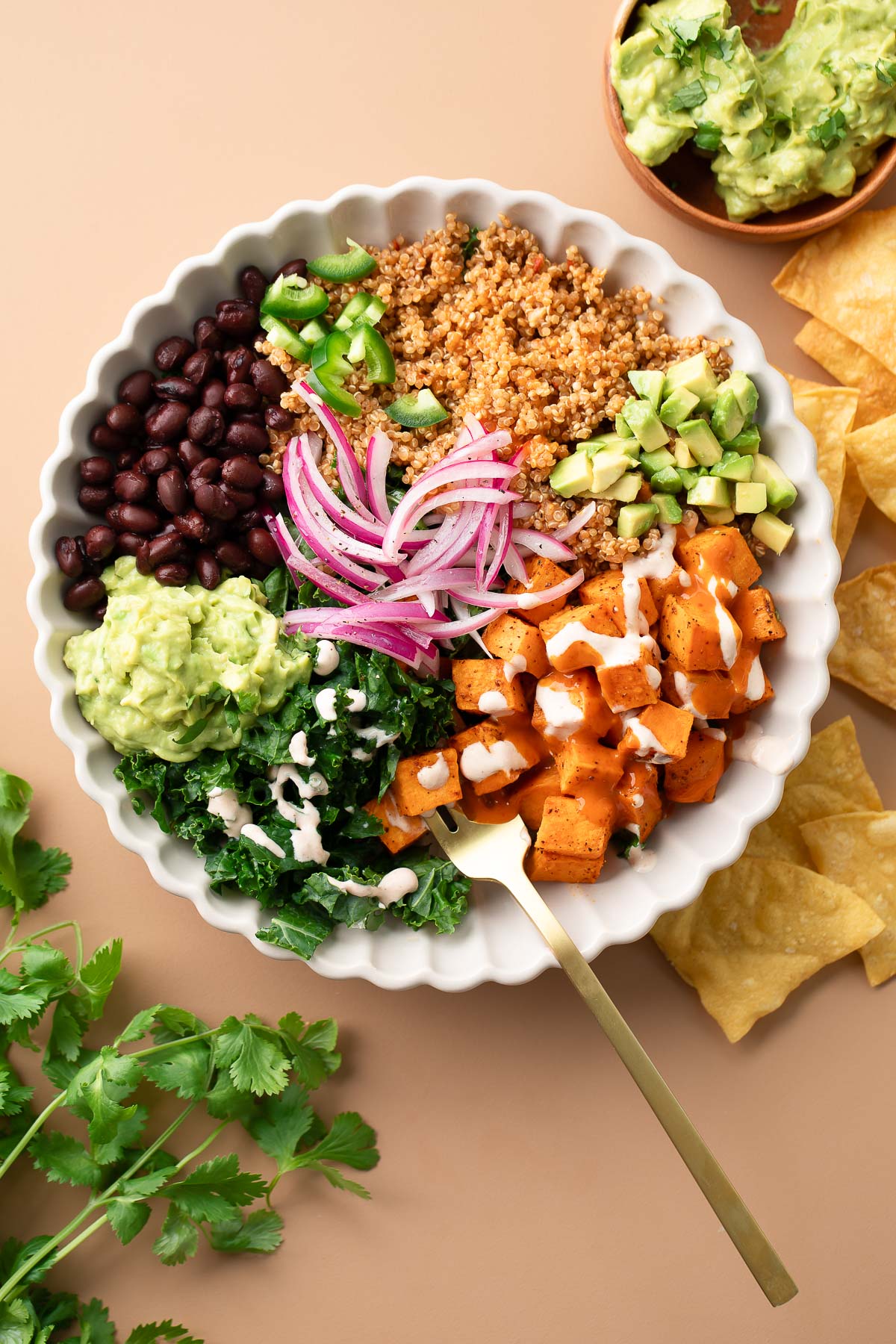
The most effective high-protein vegan recipes fall into several key categories, each serving different meal planning needs. Power bowls combine multiple protein sources with fresh vegetables and flavorful sauces, creating meals that are both nutritionally complete and visually appealing. These recipes typically deliver 25-35 grams of protein per serving.
Protein-packed soups and stews offer comfort food appeal while maximizing nutritional density. By incorporating legumes, whole grains, and plant-based protein additions like nutritional yeast or hemp hearts, these recipes can easily provide 20-30 grams of protein per bowl.
High-protein snacks and smoothies bridge the gap between meals, ensuring consistent protein intake throughout the day. These recipes often feature protein powders, nut butters, and seeds to create portable nutrition that doesn't compromise on taste.
The recipes we'll explore in this comprehensive guide represent the pinnacle of plant-based protein cooking. Each has been carefully developed to provide optimal nutrition while delivering the satisfaction and flavor that makes vegan eating a genuine pleasure rather than a dietary restriction.
Breakfast and Lunch Powerhouses: Morning and Midday High-Protein Vegan Recipes
Starting your day with adequate protein sets the foundation for sustained energy and appetite control. These breakfast and lunch recipes deliver substantial protein while keeping preparation simple and flavors exciting.
Recipe 1: Ultimate Protein-Packed Tofu Scramble Bowl
This hearty breakfast bowl combines silken tofu with nutritional yeast and hemp seeds for a complete amino acid profile. The addition of black beans and quinoa transforms this dish into a protein powerhouse containing approximately 28 grams of protein per serving.
Ingredients:
- 200g firm tofu, crumbled
- 1/2 cup cooked quinoa
- 1/4 cup black beans
- 2 tablespoons nutritional yeast
- 1 tablespoon hemp seeds
- 1 teaspoon turmeric
- Spinach and cherry tomatoes for garnish
Instructions: Sauté crumbled tofu with turmeric and nutritional yeast until golden. Layer over quinoa, add black beans, and top with hemp seeds and fresh vegetables. This meal provides sustained energy through its combination of complete proteins and complex carbohydrates.
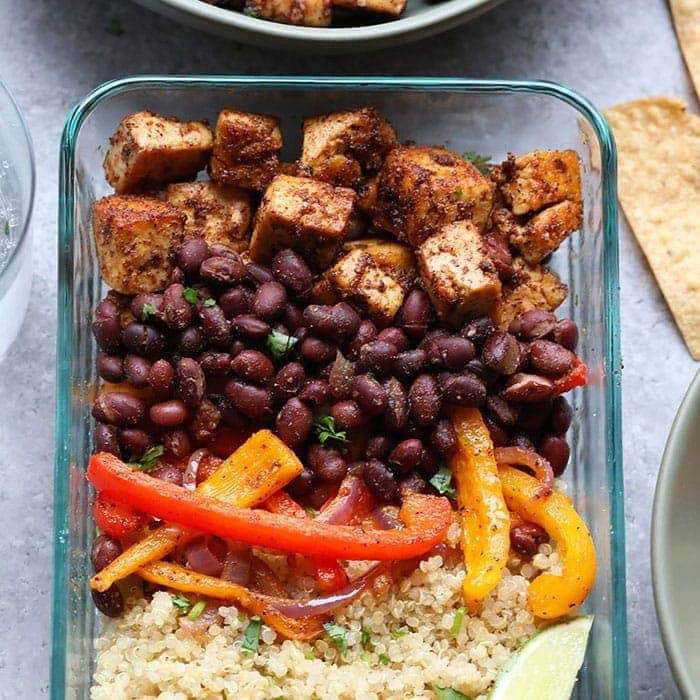
Recipe 2: Mediterranean Chickpea and Tahini Power Wrap
This portable lunch option delivers 24 grams of protein through the strategic combination of chickpeas, tahini, and hemp hearts. The Mediterranean flavors make this wrap both satisfying and nutritionally dense.
Ingredients:
- 1 cup cooked chickpeas, mashed
- 3 tablespoons tahini
- 1 tablespoon hemp hearts
- Large whole wheat tortilla
- Mixed greens, cucumber, and red onion
- Lemon juice and herbs for seasoning
Instructions: Combine mashed chickpeas with tahini and seasonings. Spread mixture on tortilla, add vegetables and hemp hearts, then roll tightly. This wrap provides complete proteins while remaining portable for busy schedules.
Recipe 3: Lentil and Walnut Protein Salad
This substantial salad combines green lentils with walnuts and pumpkin seeds, creating a texture-rich meal with 22 grams of protein. The variety of plant-based protein sources ensures a complete amino acid profile while delivering healthy fats and fiber.
Ingredients:
- 1 cup cooked green lentils
- 1/4 cup chopped walnuts
- 2 tablespoons pumpkin seeds
- Mixed leafy greens
- Tahini-based dressing
- Fresh herbs and vegetables
Instructions: Combine cooled lentils with nuts and seeds over a bed of greens. Drizzle with tahini dressing and add fresh herbs. This salad demonstrates how combining different vegan protein sources creates nutritionally complete meals.
These recipes showcase the versatility of plant-based protein meals, proving that vegan protein sources can create satisfying, nutrient-dense dishes. Each recipe strategically combines multiple protein sources to ensure optimal amino acid profiles while maintaining appealing flavors and textures.
The key to successful high-protein vegan recipes lies in understanding how different plant proteins complement each other. Legumes paired with nuts or seeds, whole grains combined with legumes, and soy products enhanced with additional protein sources create meals that rival traditional protein-heavy dishes in both satisfaction and nutritional value.
Preparation techniques also play a crucial role in maximizing protein absorption and digestibility. Soaking legumes before cooking, properly pressing tofu, and combining vitamin C-rich foods with iron-containing ingredients enhance the bioavailability of nutrients in these high-protein vegan recipes.
Dinner and Snack Solutions: Evening High-Protein Vegan Recipes
Evening meals present the perfect opportunity to incorporate substantial plant-based protein sources that promote muscle recovery and overnight satiation. These dinner and snack recipes focus on maximizing protein density while delivering satisfying flavors that make vegan eating both nutritious and enjoyable.
Recipe 13: Protein-Packed Lentil and Walnut Bolognese
This hearty pasta sauce combines red lentils and walnuts to create a protein powerhouse delivering 22 grams of protein per serving. The combination of legumes and nuts provides a complete amino acid profile while offering rich, umami flavors.
Ingredients:
- 1 cup red lentils, rinsed
- 1/2 cup walnuts, finely chopped
- 1 can crushed tomatoes (28 oz)
- 2 tablespoons nutritional yeast
- 3 cloves garlic, minced
- 1 onion, diced
- 2 tablespoons olive oil
- 1 teaspoon dried oregano
- Salt and pepper to taste
Instructions: Heat olive oil in a large pan and sauté onion and garlic until fragrant. Add lentils, tomatoes, and 2 cups water. Simmer for 20 minutes until lentils are tender. Stir in chopped walnuts, nutritional yeast, and seasonings. Cook for additional 5 minutes until thickened.
Recipe 14: Crispy Chickpea and Quinoa Power Bowl
This vibrant bowl combines roasted chickpeas with fluffy quinoa and tahini dressing, providing 26 grams of protein per serving. The variety of textures and flavors makes this an ideal dinner option for sustained energy.
Ingredients:
- 1 can chickpeas, drained and rinsed
- 1 cup cooked quinoa
- 2 cups baby spinach
- 1/4 cup pumpkin seeds
- 2 tablespoons tahini
- 1 tablespoon lemon juice
- 1 teaspoon cumin
- 1 tablespoon olive oil
- Salt and paprika to taste
Instructions: Toss chickpeas with olive oil, cumin, and paprika. Roast at 400°F for 25 minutes until crispy. Whisk tahini with lemon juice and 2 tablespoons water for dressing. Arrange quinoa and spinach in bowls, top with roasted chickpeas and pumpkin seeds, then drizzle with tahini dressing.
Recipe 15: Hemp Seed Energy Balls
These no-bake protein balls offer 8 grams of protein per serving and serve as perfect post-dinner snacks or pre-workout fuel. Hemp seeds provide all essential amino acids along with healthy omega-3 fatty acids.
Ingredients:
- 1/2 cup hemp seeds
- 1/2 cup almond butter
- 1/4 cup rolled oats
- 2 tablespoons maple syrup
- 2 tablespoons chia seeds
- 1 teaspoon vanilla extract
- Pinch of sea salt
Instructions: Mix all ingredients in a bowl until well combined. Refrigerate mixture for 30 minutes. Roll into 12 balls and store in refrigerator for up to one week.
Maximizing Your Vegan Protein Intake: Essential Tips and Tools
Successfully incorporating high-protein vegan recipes into your daily routine requires strategic planning and understanding of optimal protein combinations. Plant-based protein sources work synergistically when paired correctly, enhancing overall amino acid profiles and bioavailability.
Essential High-Protein Vegan Pantry Checklist
Maintaining a well-stocked pantry ensures you always have access to quality vegan protein sources for quick meal preparation.
Building Your High-Protein Vegan Community
Connecting with fellow vegan food enthusiasts enhances your culinary journey and provides ongoing motivation for maintaining a protein-rich plant-based diet. Sharing experiences and recipe modifications creates a supportive environment for long-term success.
These 15 high-protein vegan recipes demonstrate that plant-based eating can easily meet and exceed daily protein requirements while delivering exceptional taste and satisfaction. By incorporating diverse vegan protein sources throughout your day, you create a sustainable approach to nutrition that supports your health goals and culinary enjoyment. Remember that consistency in consuming varied plant-based protein meals ensures optimal amino acid intake and sustained energy levels for whatever your day demands.
No comments yet. Be the first to share your thoughts!