


Start your vegan lifestyle right
Going vegan is more than a diet change; it is a practical lifestyle shift that touches your nutrition, shopping habits, and social choices. The good news is that you do not need to spend a fortune to make this transition work. By focusing on affordable plant-based staples and smart supermarket swaps, you can build a budget-friendly routine that fits your wallet.
Many people assume that plant-based eating requires expensive specialty items. In reality, the foundation of a low-cost vegan diet consists of whole foods like beans, lentils, rice, and seasonal vegetables. These ingredients are widely available and significantly cheaper than processed meat alternatives. Planning your meals around these basics allows you to save money while still enjoying nutritious, varied meals.
This guide will walk you through ten specific, budget-friendly supermarket swaps. Each suggestion focuses on concrete products you can find in most grocery stores, helping you reduce your weekly spend without sacrificing flavor or nutrition. Let’s look at how to make these practical changes in your own kitchen.
10 Vegan Supermarket Swaps for a Budget-Friendly Lifestyle
Plant-based eating doesn't require a gourmet budget. These ten specific product swaps replace expensive specialty items with affordable, everyday staples found in most grocery aisles.
-
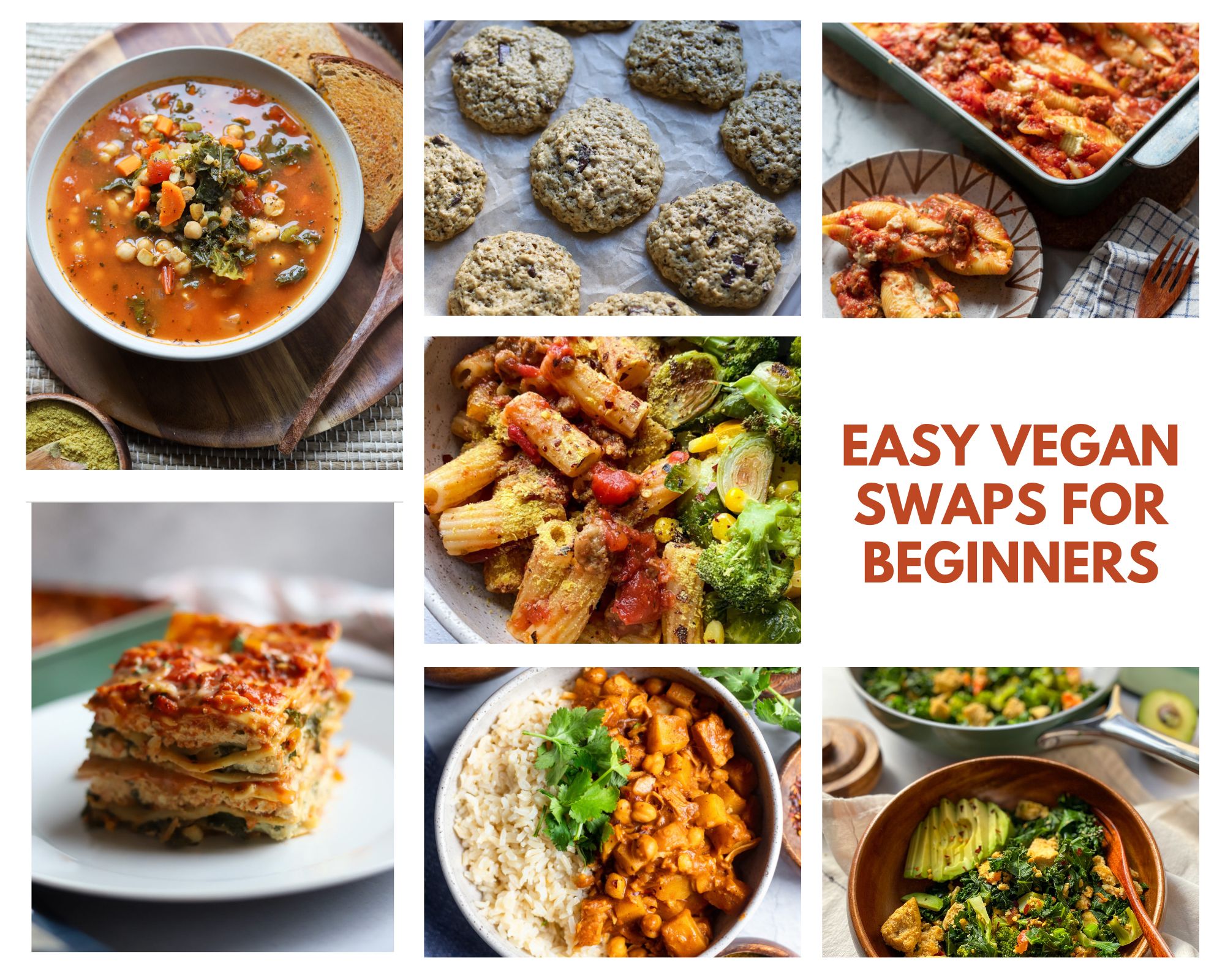
Swap meat for lentils
Lentils offer a protein-rich, earthy alternative to ground beef at a fraction of the cost. A bag of dry brown or green lentils costs pennies per serving and holds its shape well in tacos, bolognese, or shepherd’s pie. They require no soaking and cook quickly, making them an efficient pantry staple. This swap slashes grocery bills while adding fiber to your meals without compromising texture or satisfaction. -
Choose tofu over tempeh
Tofu is generally cheaper and more versatile than tempeh, absorbing marinades effortlessly for quick weeknight dinners. Pressing extra-firm tofu removes excess water, allowing it to crisp up nicely in stir-fries or scrambles. Since tofu has a mild flavor, it pairs well with bold sauces like teriyaki or curry. Stocking various textures ensures you have options for salads, soups, and grilled dishes without breaking the bank. -

Buy oats instead of cereal
Rolled or steel-cut oats are significantly cheaper per serving than boxed cereals, which often contain added sugars. A large canister of oats lasts weeks and serves as a base for savory or sweet meals. Top with frozen berries or peanut butter for a filling breakfast. This swap reduces packaging waste and provides sustained energy, making it a practical choice for budget-conscious shoppers looking to cut daily food expenses effectively. -
Use bananas for baking
Ripe bananas act as a natural binder and sweetener in muffins, breads, and pancakes, eliminating the need for eggs or refined sugar. Mash two bananas to replace one egg in recipes, reducing waste from overripe fruit. This method adds moisture and subtle flavor while keeping costs low. It’s an easy way to utilize produce nearing its end, ensuring nothing goes to trash and saving money on specialty baking ingredients. -
Pick frozen veggies fresh
Frozen vegetables are often cheaper than fresh ones, especially out of season, and retain nutritional value through flash-freezing. They eliminate prep time and reduce waste since you only use what you need. Ideal for soups, stir-fries, and side dishes, brands like Green Giant offer consistent quality. Stocking a variety ensures you always have nutritious components ready, making healthy eating accessible and affordable for busy households. -

Make your own nut milk
Blending soaked almonds with water and straining through a nut milk bag costs pennies per quart compared to store-bought cartons. You control the sweetness and avoid expensive additives like gums or stabilizers. Leftover pulp can be dried and used in baking, eliminating waste entirely. This method transforms a daily staple into a customizable, economical foundation for smoothies and cereals without the premium price tag of retail alternatives. -
Stock up on rice and beans
Dried brown rice and black beans form the backbone of countless affordable meals. Buying these staples in bulk bins significantly reduces the cost per pound compared to pre-packaged versions. They provide essential protein and fiber that keep you full for hours. Pairing them with seasonal vegetables creates hearty, nutritionally complete dinners that cost less than a single fast-food burger, ensuring long-term pantry stability. -
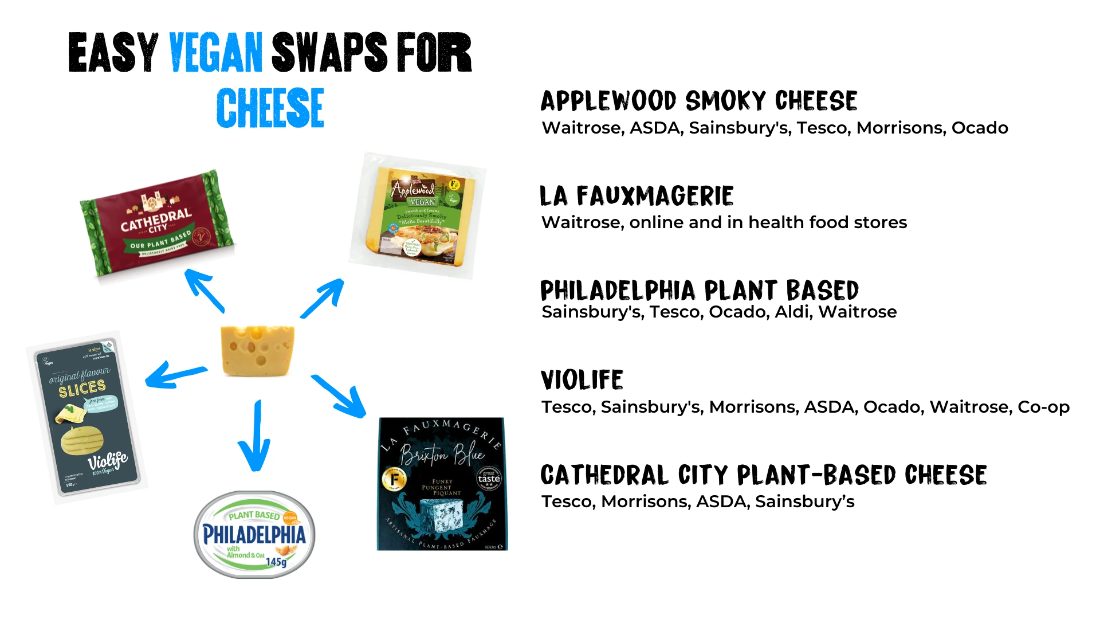
Replace cheese with nutritional yeast
Nutritional yeast offers a savory, cheesy flavor without the dairy price tag or saturated fats. Sprinkling it over popcorn, pasta, or roasted vegetables adds depth and umami to simple dishes. A single jar lasts for months because a little goes a long way. This pantry staple eliminates the need for expensive vegan cheese slices, allowing you to create rich, flavorful meals on a strict budget while maintaining a plant-based diet. -

Buy store-brand staples
Store-brand items like canned tomatoes, pasta, and spices often match name-brand quality at a fraction of the cost. These products are frequently manufactured in the same facilities, ensuring consistent taste and texture. Switching to generic versions for everyday essentials frees up budget for higher-cost items like fresh produce or specialty vegan proteins. This simple switch accumulates significant savings over time without sacrificing the quality of your meals. -

Plan meals around sales
Building your weekly menu based on discounted items prevents impulse buys and reduces food waste. Check local flyers for markdowns on produce, grains, and proteins before shopping. If berries are on sale, plan smoothies; if lentils are cheap, prepare soups. This strategy aligns your spending with actual needs, ensuring every dollar contributes to a nutritious meal rather than ending up in the trash or on unnecessary snacks.
Compare vegan protein costs
Picking the right plant-based protein doesn't have to strain your wallet. By looking at the cost per gram of protein, you can see which ingredients stretch your grocery budget the furthest. Bulk dry goods almost always beat pre-packaged options, but even among fresh items, there are clear winners for everyday cooking.
The data below breaks down the average price per gram of protein for four common vegan staples. Lentils and tofu offer the best value, while meat alternatives provide convenience at a higher price point. Adjust these figures based on your local store's sales and whether you buy organic or conventional.
| Protein Source | Avg. Cost per Gram | Best Use Case |
|---|---|---|
| Dry Lentils | $0.03 | Soups, stews, and curries |
| Extra Firm Tofu | $0.05 | Stir-fries and baking |
| Tempeh | $0.08 | Slicing and marinating |
| Plant-Based Meat Alternatives | $0.15 | Quick burgers and crumbles |
Essential vegan pantry items
Building a budget-friendly vegan pantry starts with stocking versatile, shelf-stable staples. These ingredients form the backbone of affordable meals, reducing reliance on expensive processed alternatives while keeping nutrition high.


As an Amazon Associate, we may earn from qualifying purchases.
No comments yet. Be the first to share your thoughts!