
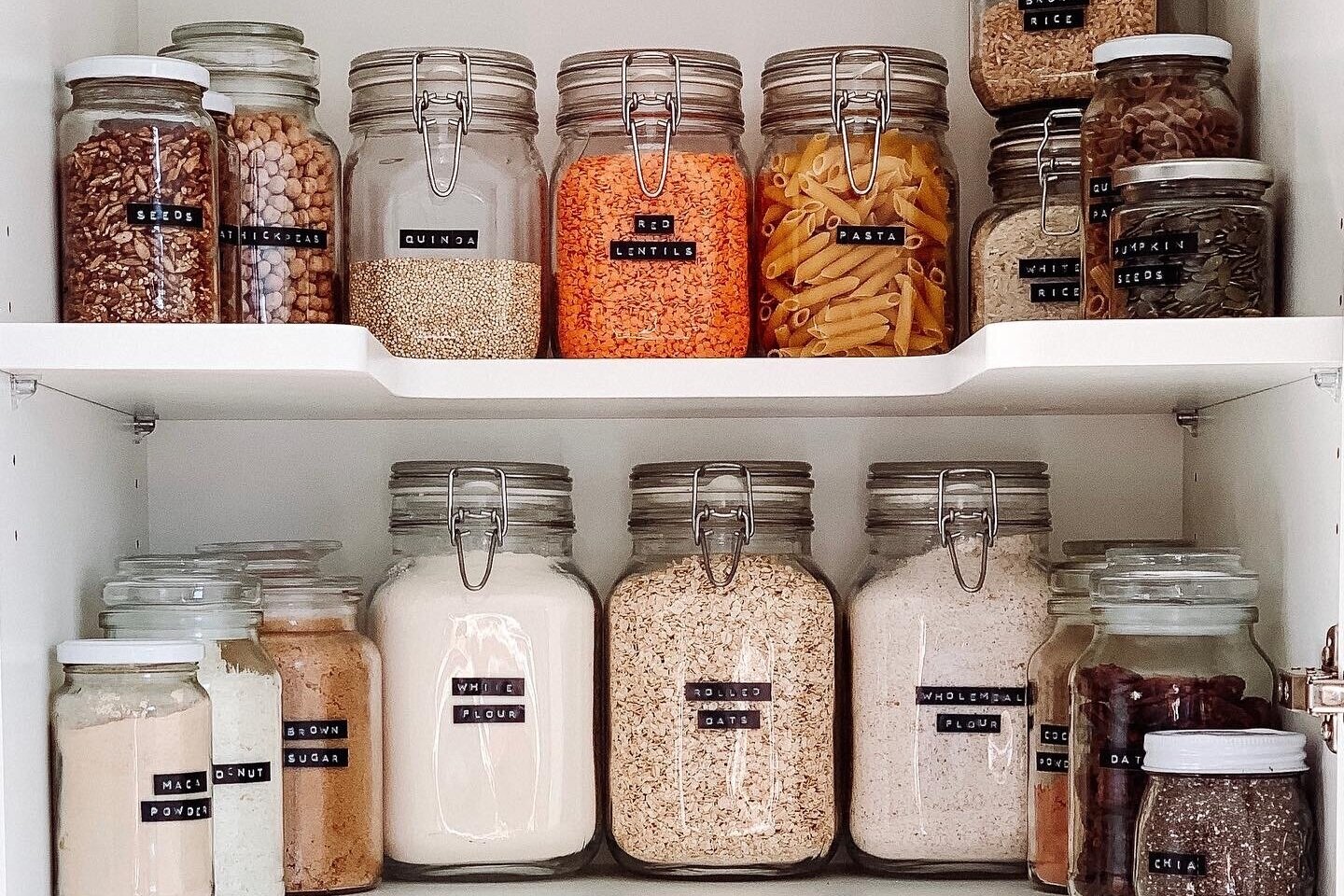

Starting with a vegan lifestyle
Veganism is the practice of abstaining from animal products, a choice that extends beyond diet to encompass fashion, household goods, and social habits. For many, it is a philosophy that rejects exploitation, while for others, it is primarily a tool for personal health or environmental impact. Regardless of the motivation, the foundation of a sustainable vegan life is a well-stocked pantry.
We selected these 10 essentials by looking for versatility, nutritional density, and shelf stability. The goal is not to restrict your cooking, but to simplify it. Each item was chosen because it serves multiple purposes in the kitchen, from quick weeknight dinners to complex baking projects.
The selection process prioritized whole foods and minimally processed ingredients. We avoided niche items that require specialty stores, focusing instead on staples you can find at most grocery outlets. This approach ensures that transitioning to or maintaining a vegan diet is accessible and cost-effective.
10 Plant-Based Staples for Healthy Eating
These 10 plant-based staples form the foundation of a resilient 2026 vegan pantry, balancing affordability with nutritional density. Each item is selected for its versatility in daily cooking and its ability to support sustainable, healthy eating habits without relying on processed substitutes.
-

Organic rolled oats for fiber-rich breakfasts
One Degree Organic Foods, Sprouted Rolled Oats, 45 oz (1.28 kg) Sprouted rolled oats offer a nutritional edge over conventional varieties by activating enzymes that break down phytic acid, enhancing mineral absorption. This specific 45-ounce bag delivers substantial fiber for sustained energy without the spike-and-crash associated with refined grains. Their chewy texture holds up well in overnight preparations, making them a reliable staple for busy mornings when quick, wholesome fuel is essential. -

Brown lentils for quick protein-packed meals
Non-gmo Project Verified Brown Lentils | Certified Glyphosate Residue Free | 1 lb Pouch | Kosher Parve | USA Grown | Field Traced Brown lentils maintain their shape better than red varieties during cooking, providing a satisfying meaty texture for soups and stews. This 1-pound pouch ensures freshness while offering a glyphosate-free certification for peace of mind. They cook relatively quickly without pre-soaking, delivering a robust protein punch that complements grain-based dishes, making them an efficient, affordable cornerstone for plant-based meal planning. -
:max_bytes(150000):strip_icc()/sea-tier-3-primary-olive-oil-ebrockob-001-e7a834d873254a9da54c7fa867f3f08a.jpeg)
Extra virgin olive oil for healthy fats
The Best Olive Oil of 2026, Tested & Reviewed High-quality extra virgin olive oil serves as the primary source of monounsaturated fats in a vegan diet, supporting heart health and reducing inflammation. Look for cold-pressed varieties with a recent harvest date to ensure polyphenol content remains intact. Use it for finishing dishes or low-heat sautéing to preserve its delicate flavor profile and nutritional benefits, avoiding the smoke point limitations of refined oils. -

Unsweetened almond milk for dairy-free versatility
Califia Farms Unsweetened Almond Milk Same-Day Delivery or Pickup | FoodMaxx Califia Farms offers a creamy, unsweetened alternative that integrates seamlessly into coffee, cereals, and baking without adding excessive sugar. Its neutral yet slightly nutty flavor profile makes it a versatile base for smoothies and sauces. Choosing the unsweetened variety allows you to control the glycemic load of your meals while maintaining the rich mouthfeel typically associated with dairy products. -
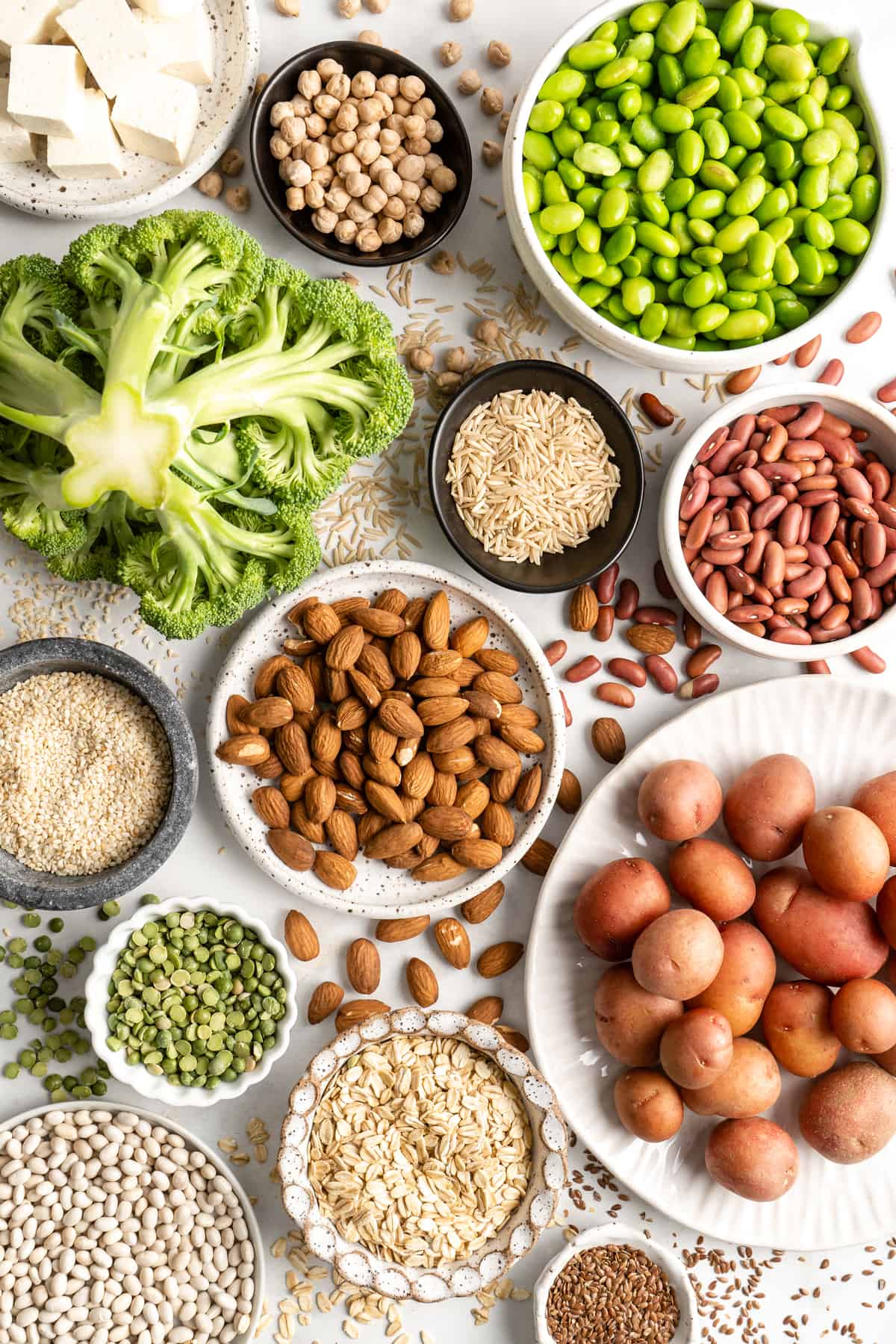
Quinoa for complete plant-based protein
Quinoa stands out as a rare complete plant protein, containing all nine essential amino acids necessary for muscle repair and overall health. This ancient grain cooks up fluffy and light, serving as an excellent base for bowls or a nutritious substitute for rice. Its quick preparation time and high fiber content make it a practical, nutrient-dense staple for maintaining energy levels throughout the day. -

Chia seeds for omega-3 supplementation
Chia seeds deliver plant-based alpha-linolenic acid (ALA), crucial for heart health when fish intake is zero. Their gel-forming fiber aids digestion and stabilizes blood sugar. Store them in a cool, dark place to prevent rancidity. Sprinkle two tablespoons into smoothies or oatmeal for an effortless nutrient boost without altering flavor profiles significantly. -
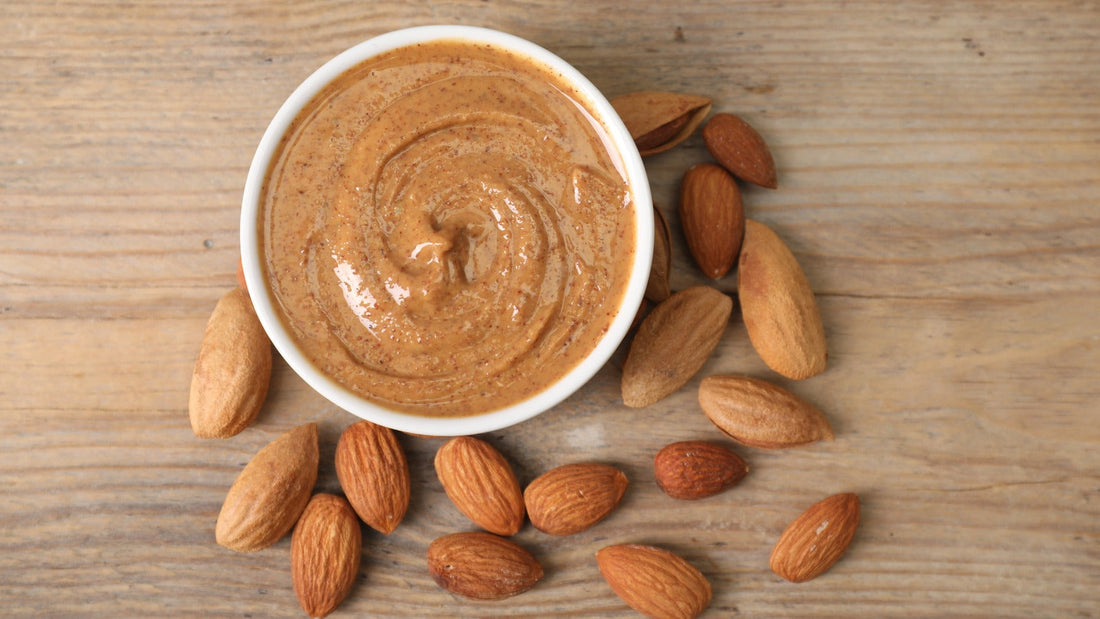
Natural almond butter for sustained energy
Choose natural almond butter with only almonds and salt to avoid added sugars and hydrogenated oils. This spread provides healthy monounsaturated fats and vitamin E, supporting cellular health. Its dense caloric profile makes it ideal for pre-workout fuel or a satisfying snack. Stir the oil layer back in before spreading on whole-grain toast for optimal texture. -
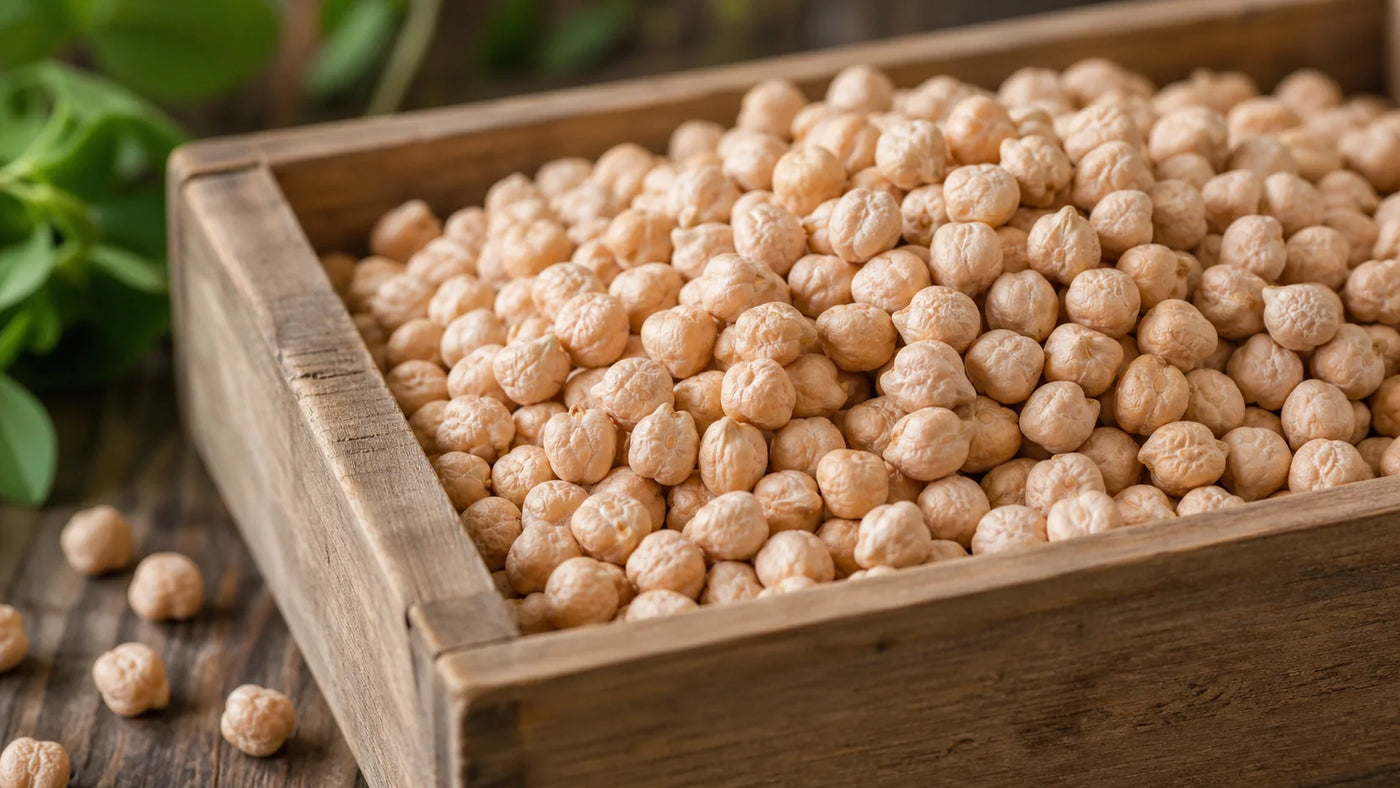
Canned chickpeas for versatile salad bases
Canned chickpeas offer ready-made protein and fiber, saving hours of soaking and boiling. Rinse them thoroughly to reduce sodium and improve digestibility. They hold their shape well in grain bowls, salads, or roasted as a crunchy topping. Look for low-sodium varieties to control salt intake while maintaining the creamy texture essential for hummus or curries. -
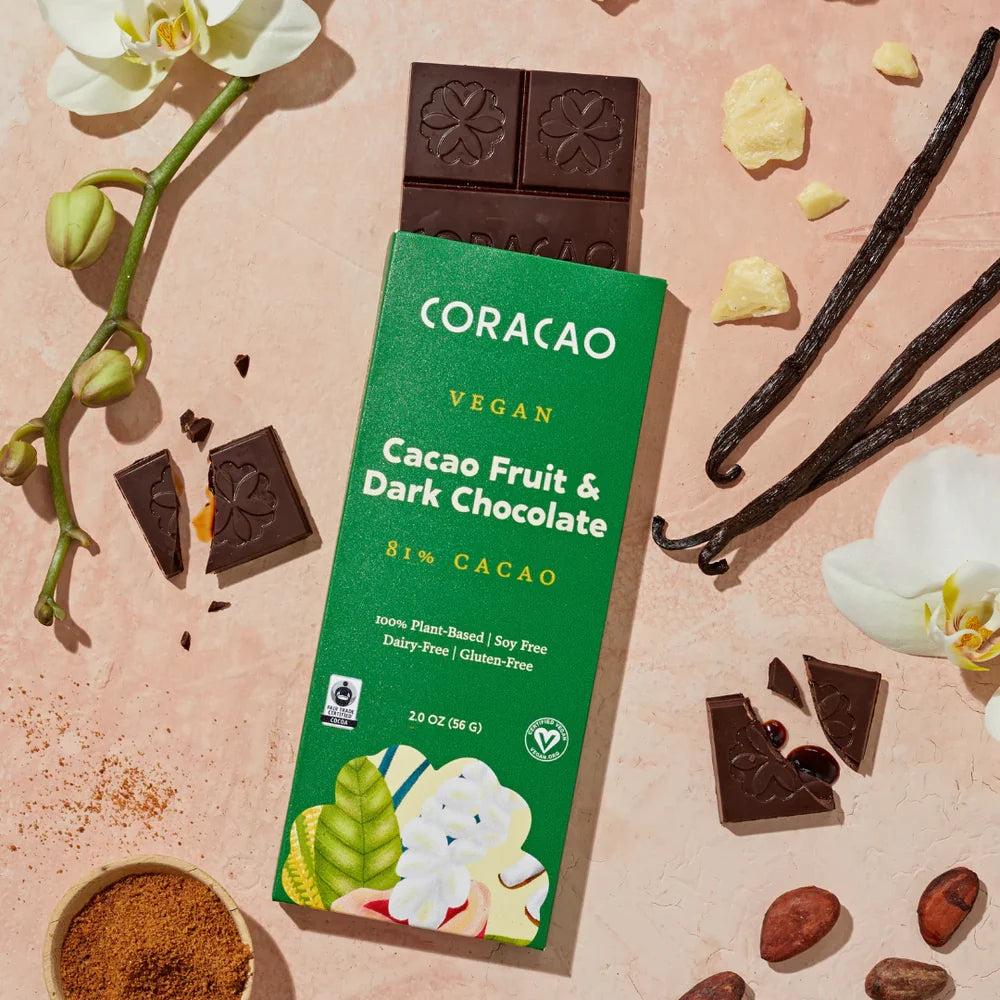
Dark chocolate with high cocoa content
Select dark chocolate with at least 70% cocoa to maximize flavonoid antioxidants while minimizing sugar. Verify the label for vegan certification, as some brands add milk solids. This treat satisfies sweet cravings with a rich, bitter profile that pairs well with berries or nuts. Keep portions small to manage calorie density while enjoying the mood-boosting benefits of cacao. -
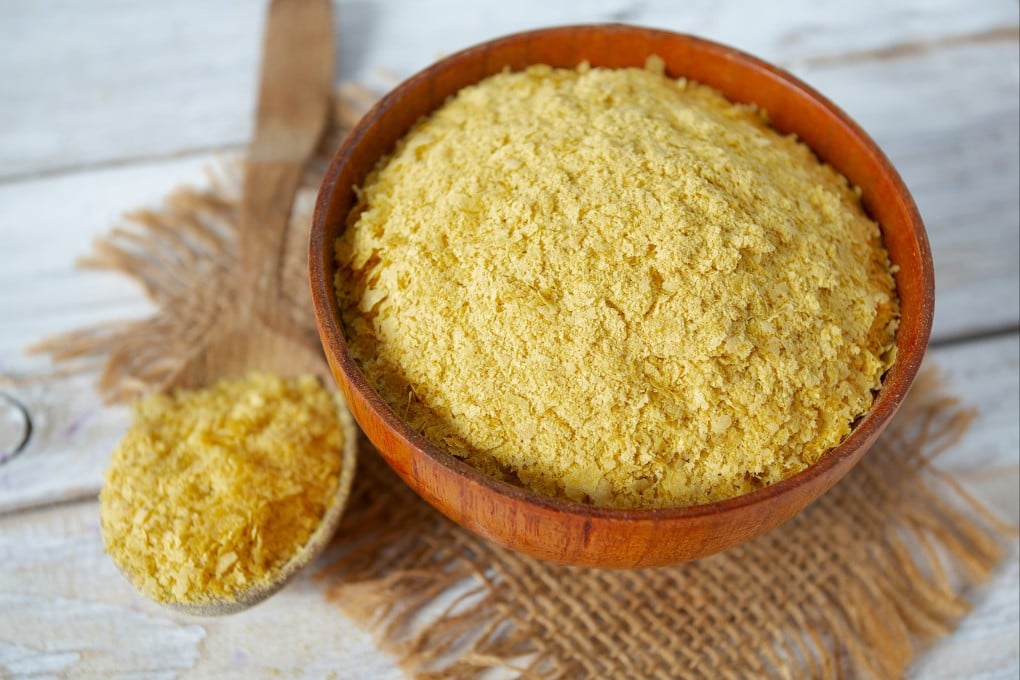
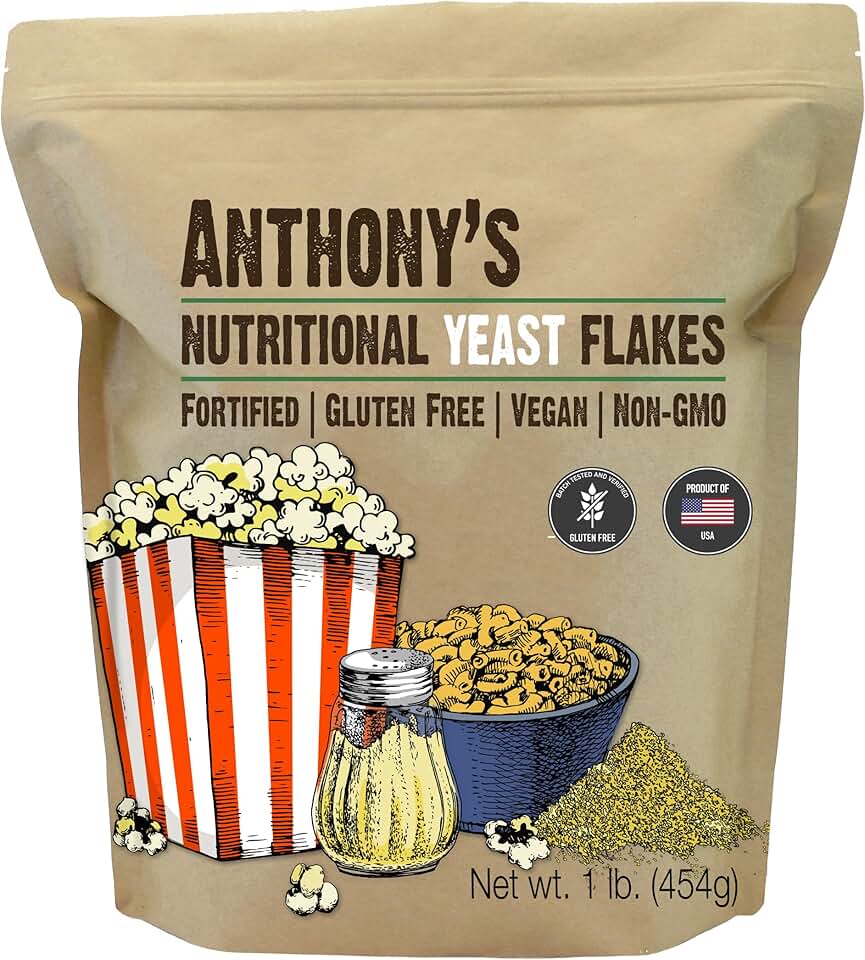
Nutritional yeast for cheesy flavor enhancement
Nutritional yeast provides a savory, umami-rich flavor reminiscent of Parmesan without dairy. It is often fortified with B12, addressing a common vegan deficiency. Sprinkle it over popcorn, pasta, or roasted vegetables for depth. Store in an airtight container to preserve its potency and prevent clumping, ensuring every meal gets that distinct savory kick without excess sodium.
Pick the right fit for your pantry
Building a vegan pantry isn't about buying every plant-based trend. It's about selecting staples that actually work for your cooking style and nutritional needs. A well-chosen foundation reduces food waste and makes weeknight dinners effortless.
Start by checking labels for hidden animal products. Even plant-based items can contain dairy derivatives or honey. The Vegan Society's logo is a reliable quick-check for strict adherence, but reading the ingredient list remains your best defense against accidental slip-ups.
Next, match your storage capacity to your cooking frequency. If you cook fresh meals daily, prioritize refrigerated items like tofu or fresh herbs. For meal preppers or busy weeks, canned beans, frozen vegetables, and shelf-stable grains offer more flexibility without the guilt of spoilage.
Consider your flavor profile when choosing spices and sauces. A pantry full of bland staples is hard to enjoy. Stock up on umami-rich ingredients like miso paste, nutritional yeast, or tamari to add depth without animal products. These small additions transform simple grains and legumes into satisfying meals.
Finally, plan for variety to ensure complete nutrition. Combining different plant proteins, such as rice and beans or quinoa and lentils, provides all essential amino acids. This approach keeps your diet healthy and interesting without requiring complex supplementation.


As an Amazon Associate, we may earn from qualifying purchases.
Frequently asked questions about vegan pantry staples
What foods do vegans eat? Vegans focus on whole plant foods like legumes, whole grains, nuts, seeds, fruits, and vegetables. These staples form the foundation of a vegan pantry. Common items include lentils, quinoa, oats, almonds, chia seeds, and canned tomatoes. Processed meat alternatives and plant milks are also widely used to replicate traditional dairy and meat dishes.
What is the 80/20 rule for vegans? The 80/20 rule suggests that 80% of your diet should consist of whole, plant-based foods, while the remaining 20% can include occasional treats or less strict choices. This approach helps maintain sustainability without the stress of perfection. It allows for flexibility when dining out or enjoying special occasions while keeping the primary focus on health and ethical eating.
Why did Miley Cyrus quit veganism? Miley Cyrus has stated that she stopped following a strict vegan diet to improve her health. She mentioned experiencing health issues, including low energy and nutrient deficiencies, which she attributed to her previous vegan lifestyle. She returned to eating animal products, noting that it helped her feel better and more balanced.
What does God say about being vegan? Religious perspectives on veganism vary widely. Many faiths emphasize stewardship of the earth and compassion for animals, aligning with vegan principles. However, most major religions do not mandate veganism. Some traditions encourage plant-based eating during specific periods, while others permit all foods. Ultimately, the choice to be vegan is often a personal interpretation of spiritual values regarding health and ethics.
No comments yet. Be the first to share your thoughts!